Perspectives on Risk-Taking

There is a wealth of academic research that suggests that differences in risk appetite are at the heart of differences in career and business trajectories. We wanted to go beyond the theory and ask real people from the community about their perspectives and experiences with risk and risk taking.
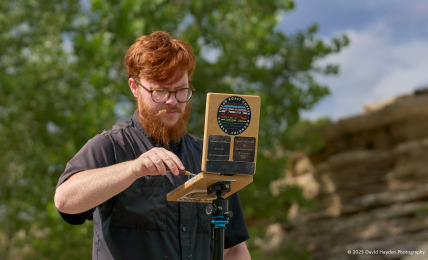
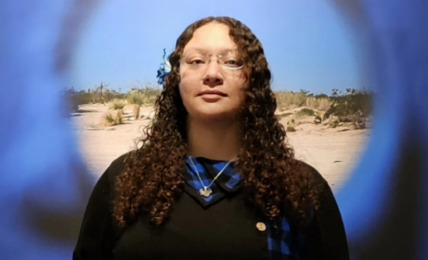
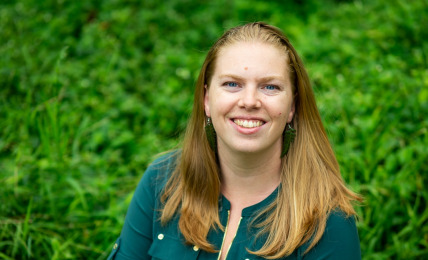
As a base jumper, most people would call me an “Adrenaline junkie” or “Risk taker”; however, that’s really not the case at all. When I’m on the edge of a cliff, bridge building, antenna or whatever I’m going to jump or fly off of, is the only time i’m actually able to be present and mindful of what i’m doing and able to live 100% in the moment, because it’s your life that’s on the line and when it’s a matter of life or death that notion is what gives me complete clarity. It’s the only time i’m able to actually slow my mind down and allow myself to be completely in the moment. It’s what brings me peace, happiness and a sense of purpose. Of course it’s thrilling and fun and can be very addictive, but it’s the mental clarity I get from the meditative state which is therapeutic and actually grounding for me. Read More>>

Risk is the only way to get the most out of not only our work and pursuits, but out of the relatively short span of our lives.
Every new idea, skill, project, anything you don’t already have experience with involves some degree of risk. We risk our time, our money, our reputations, our egos, our comfortable seat in a world of things we understand and grasp and know—sometimes even bodily harm. These risks should all be considered and weighed and mitigated as possible. But when I consider risks, I do it with the intention of moving forward, and not using potentially uncomfortable outcomes as a reason to limit myself. Read More>>
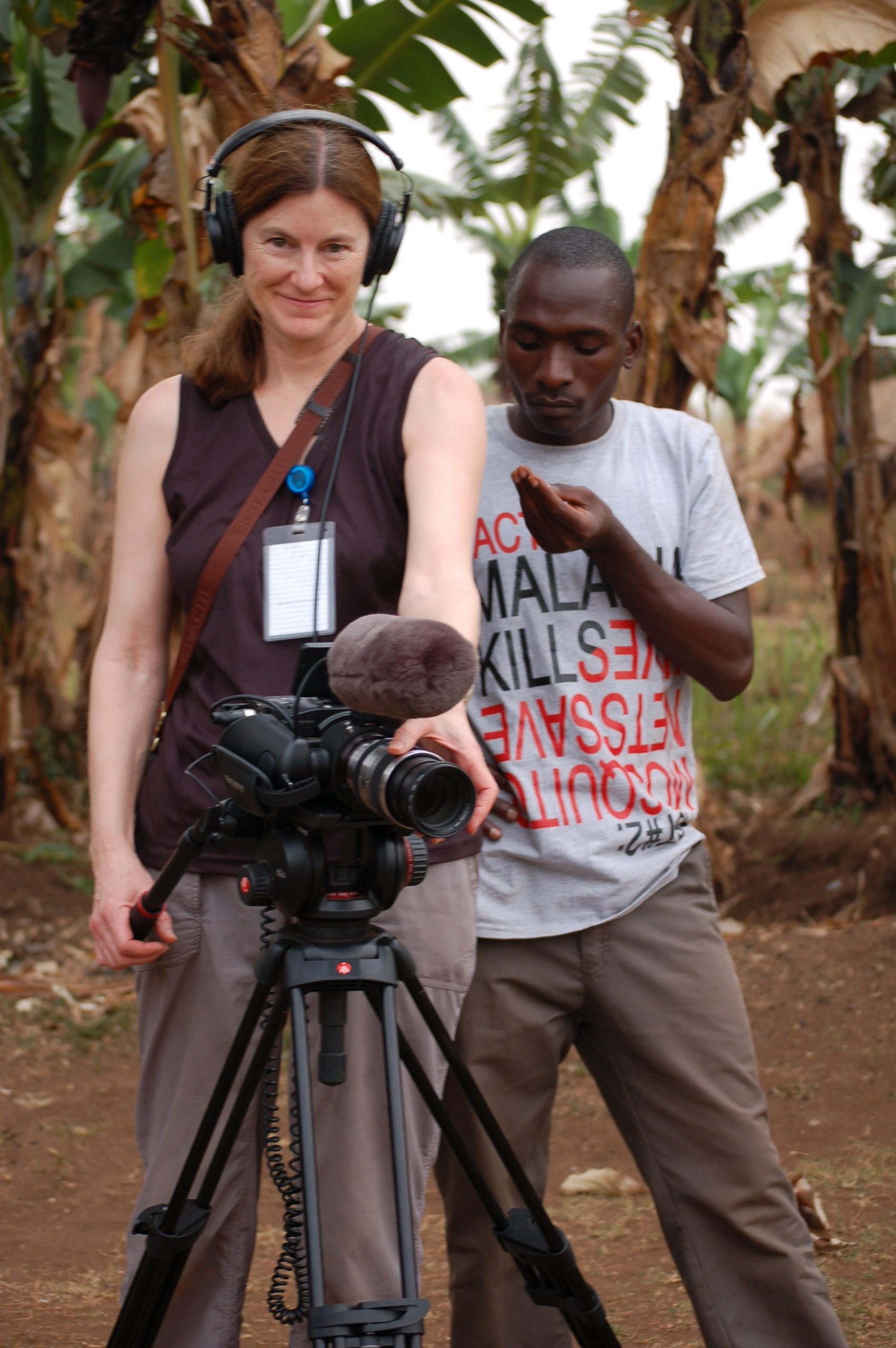
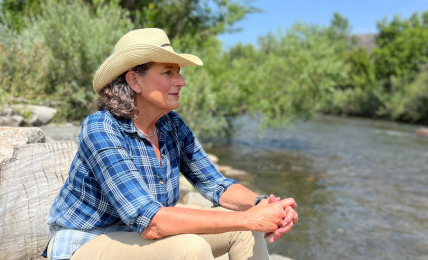
I believe that risk taking is how the best things happen. In my documentary filmmaking career, I created or responded to opportunities because of being in a given place or time. Many things I did were not planned — I just responded to what showed up. It was like watching a slow train roll by and deciding to run and jump on. For instance, I ended up making a film about the battle of Iwo Jima because I was asked to volunteer on a project 50 years after the battle. I was not interested in the topic until I interviewed veterans and trudged up the thick black sand of the Iwo Jima beach. I joined some Buddhist pilgrims going to Hiroshima for the 50th commemoration of the atomic bombing. Incredible numbers of paper cranes made by schoolchildren! Read More>>
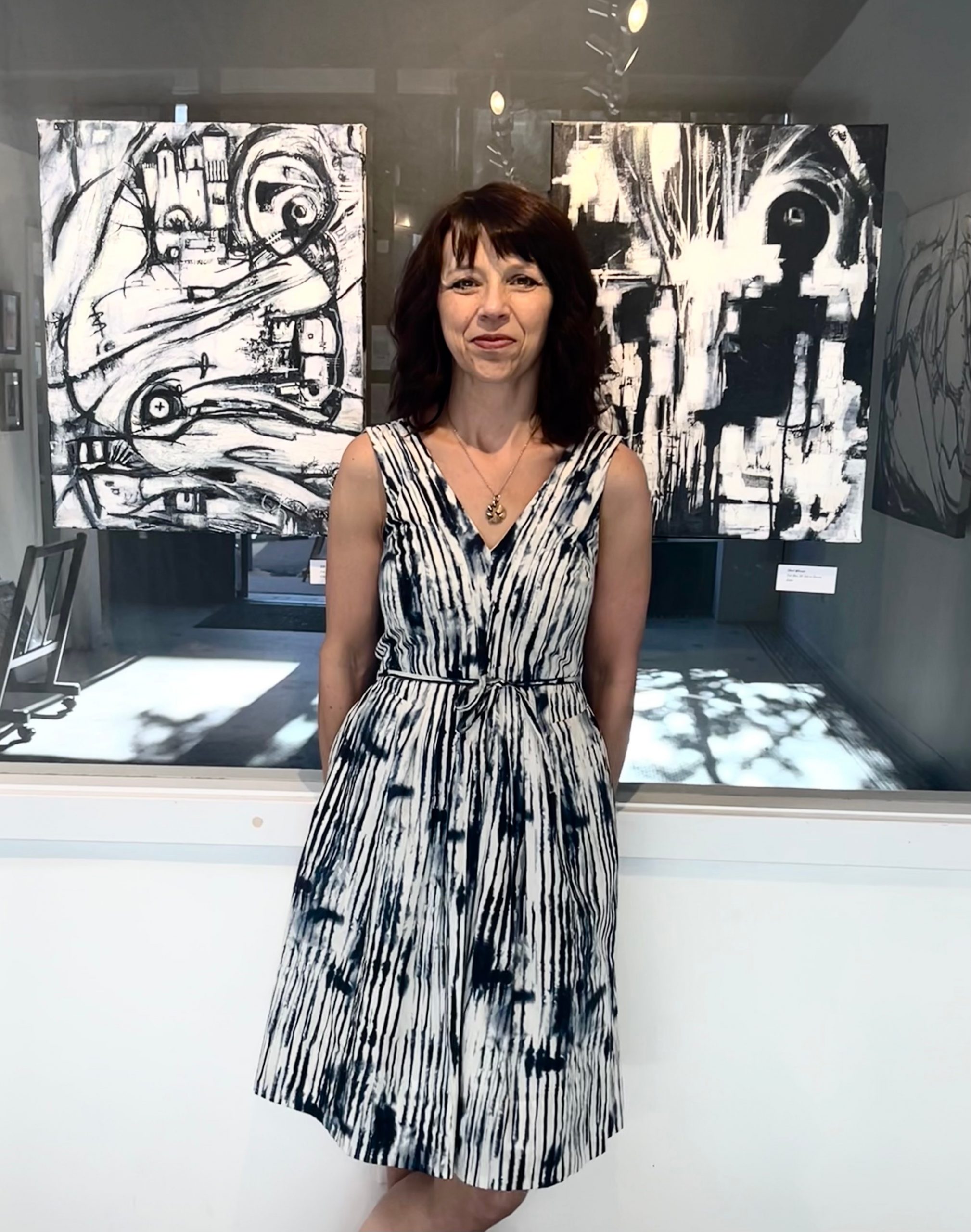
I definitely believe there’s an element of risk-taking in creating art. It’s a vulnerable process—we put a lot of ourselves on display. Especially in the beginning, it’s easy to invest heavily in how others perceive us and our work. But over time, I’ve found that this process can be healing. It encourages reflection: Why do we create? Would we still do it if no one were watching? When people do watch, though, and connect with what we’re doing, it can be incredibly meaningful. It makes the world feel smaller, more intimate. Read More>>
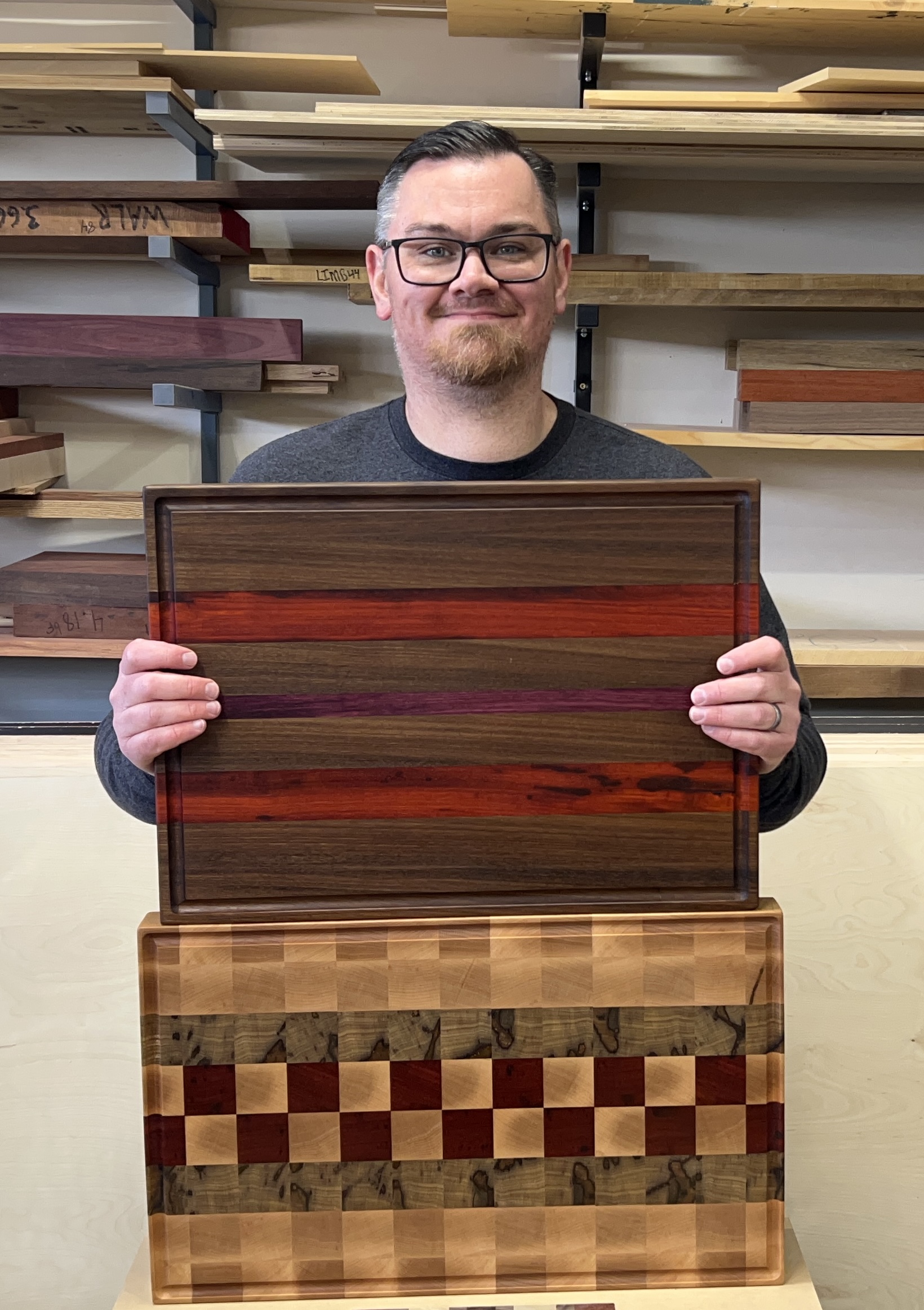
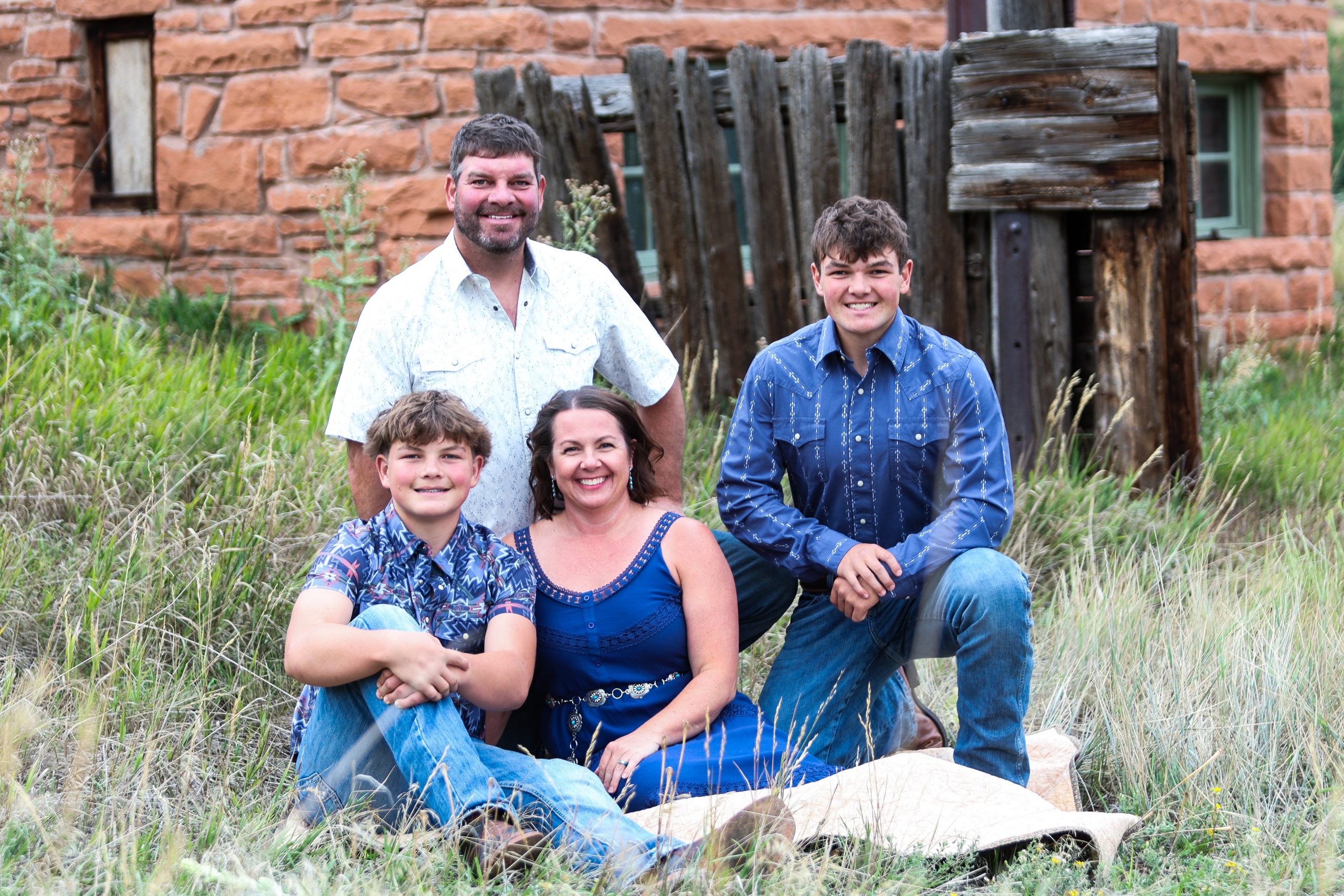
When I was younger, I had very little hesitation in taking risks. I had far less to lose or worry about if I was to fail. Now that I am older, and I have a family to think about, taking risks is far more complicated and, well . . . riskier!
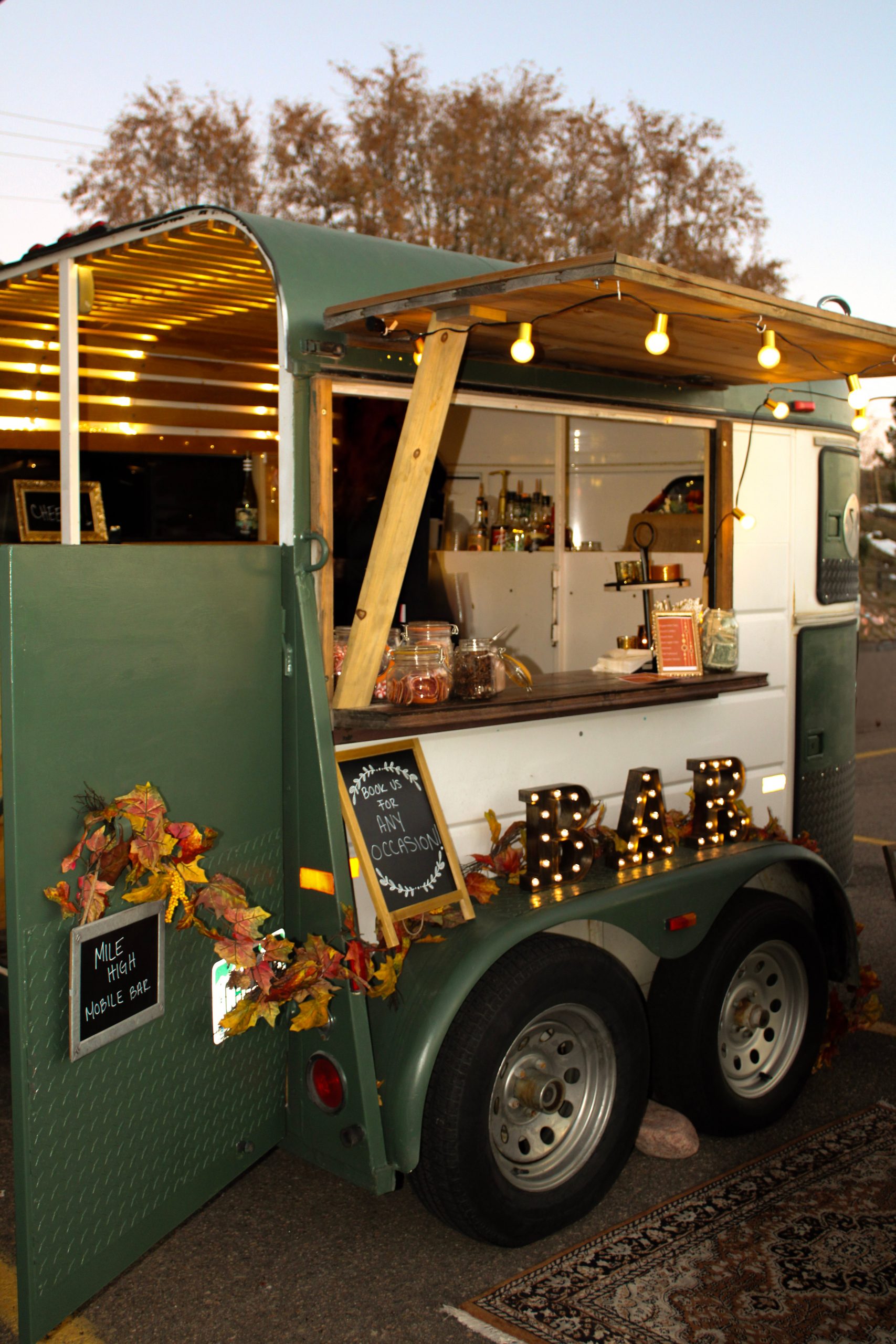
With that said, I still have that part of me that is willing to throw myself out there if it is something I care enough about. My business is a perfect example of that. Read More>>
Embracing Risk: A Calculated Approach Rooted in Faith, Strategy, and Passion
When I think about risk, I don’t see it as a reckless gamble—I see it as a necessary step toward growth, carefully calculated with strategy, preparation, and faith. I don’t just work hard; I work smart. Every major decision I’ve made in my career has been driven not just by personal ambition, but by a deep passion for helping others. When you think beyond yourself—when you ask, Who will suffer if I don’t step up?—it transforms risk from something scary into something essential. Read More>>
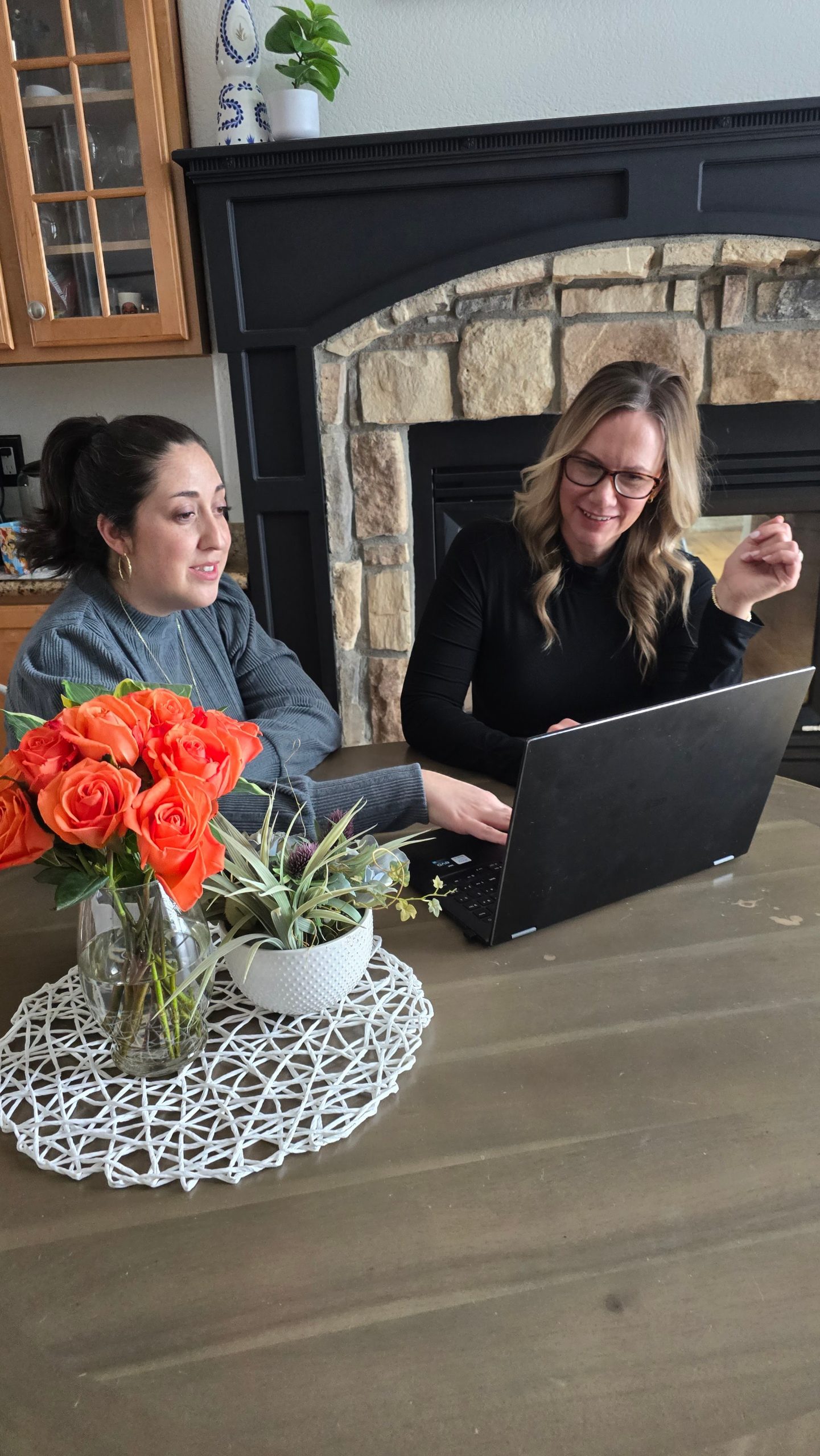
I used to be very risk-averse – always staying within my known limitations and sticking to areas where I knew I would be successful. Part of that was because I’m naturally strategic and observant, so school came fairly easy for me, I would easily get promoted at work, and overall, I looked successful from the outside. Read More>>
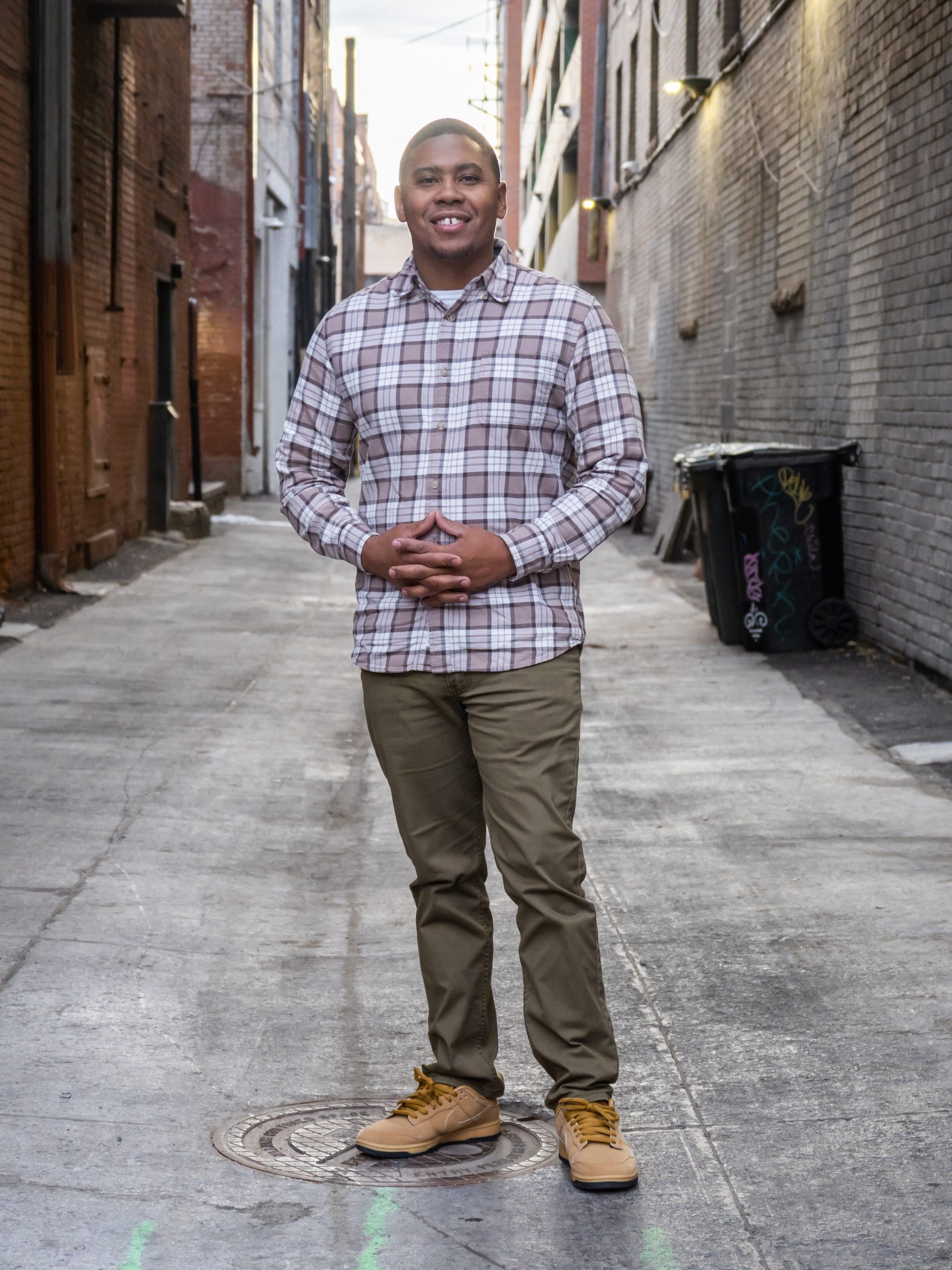
My relationship with risk has evolved significantly over the years. In my youth, I often took uncalculated risks that led to challenging situations. As I matured, I learned to channel that risk taking spirit into opportunities for growth and positive outcomes. Read More>>