Meet Anders Lankford | Performer, comedy writer, director & instuctor
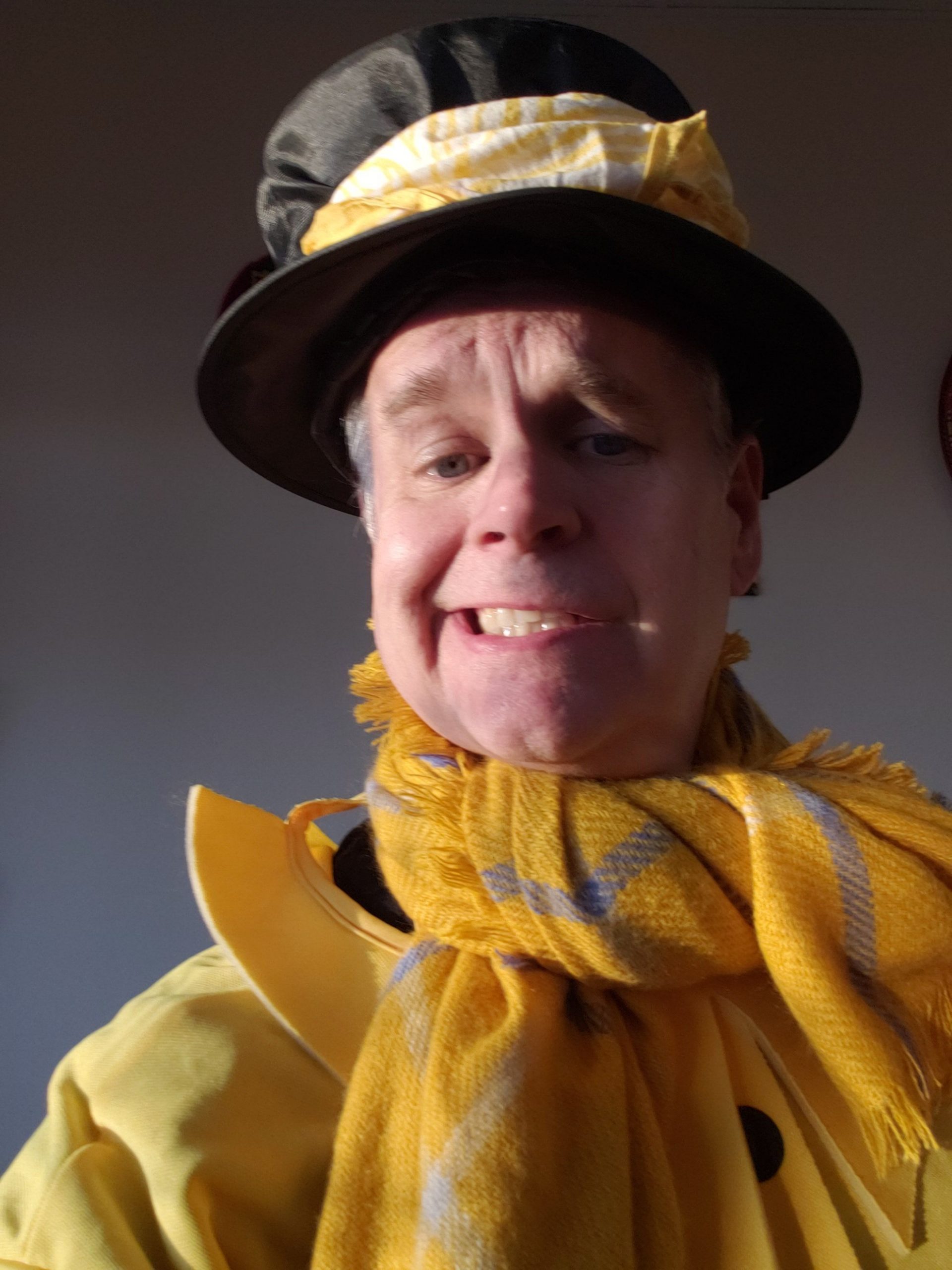

We had the good fortune of connecting with Anders Lankford and we’ve shared our conversation below.
Hi Anders, can you talk to us a bit about the social impact of your business?
There are several ways that our organization is helping the world. Some are obvious; some are not so obvious.
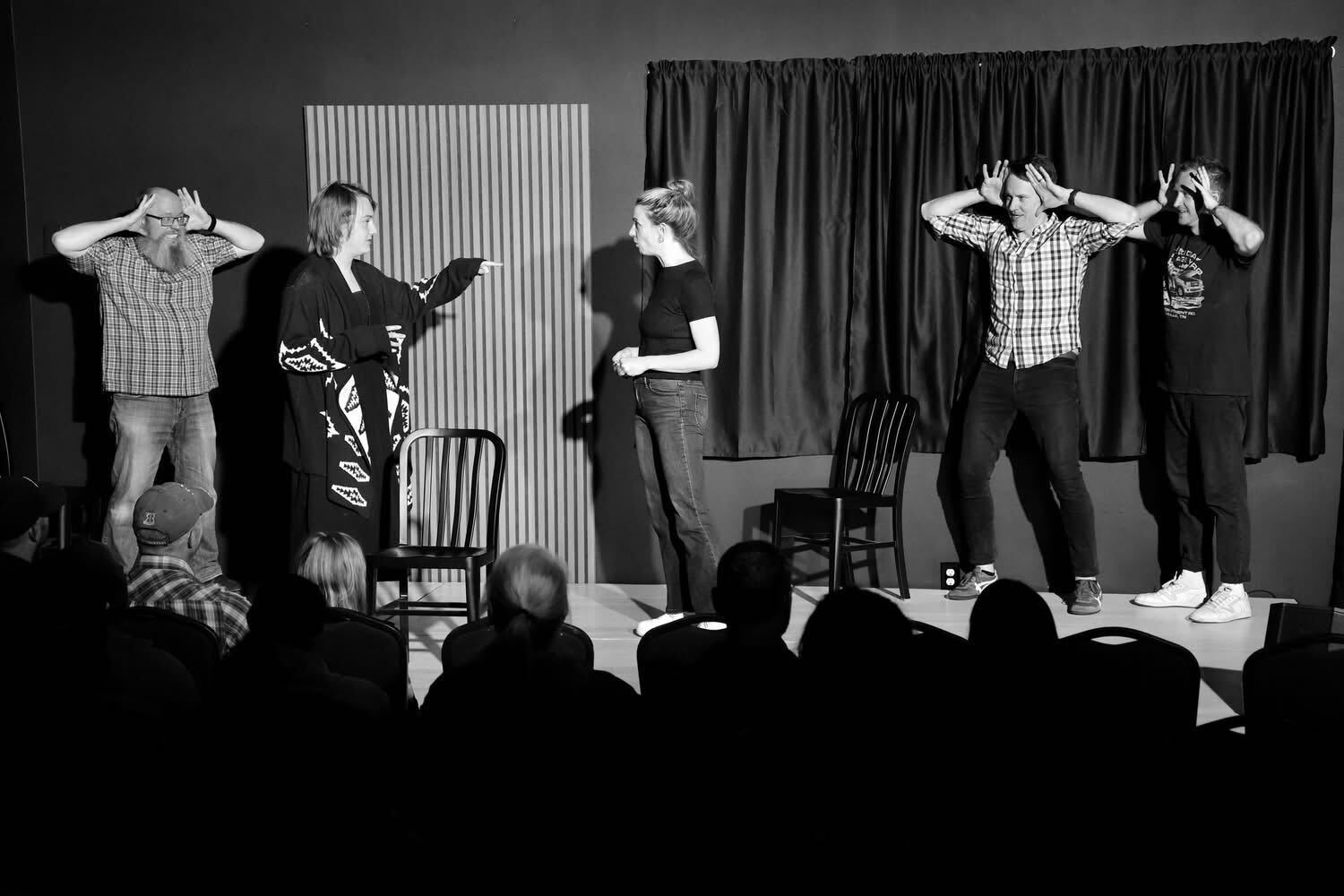
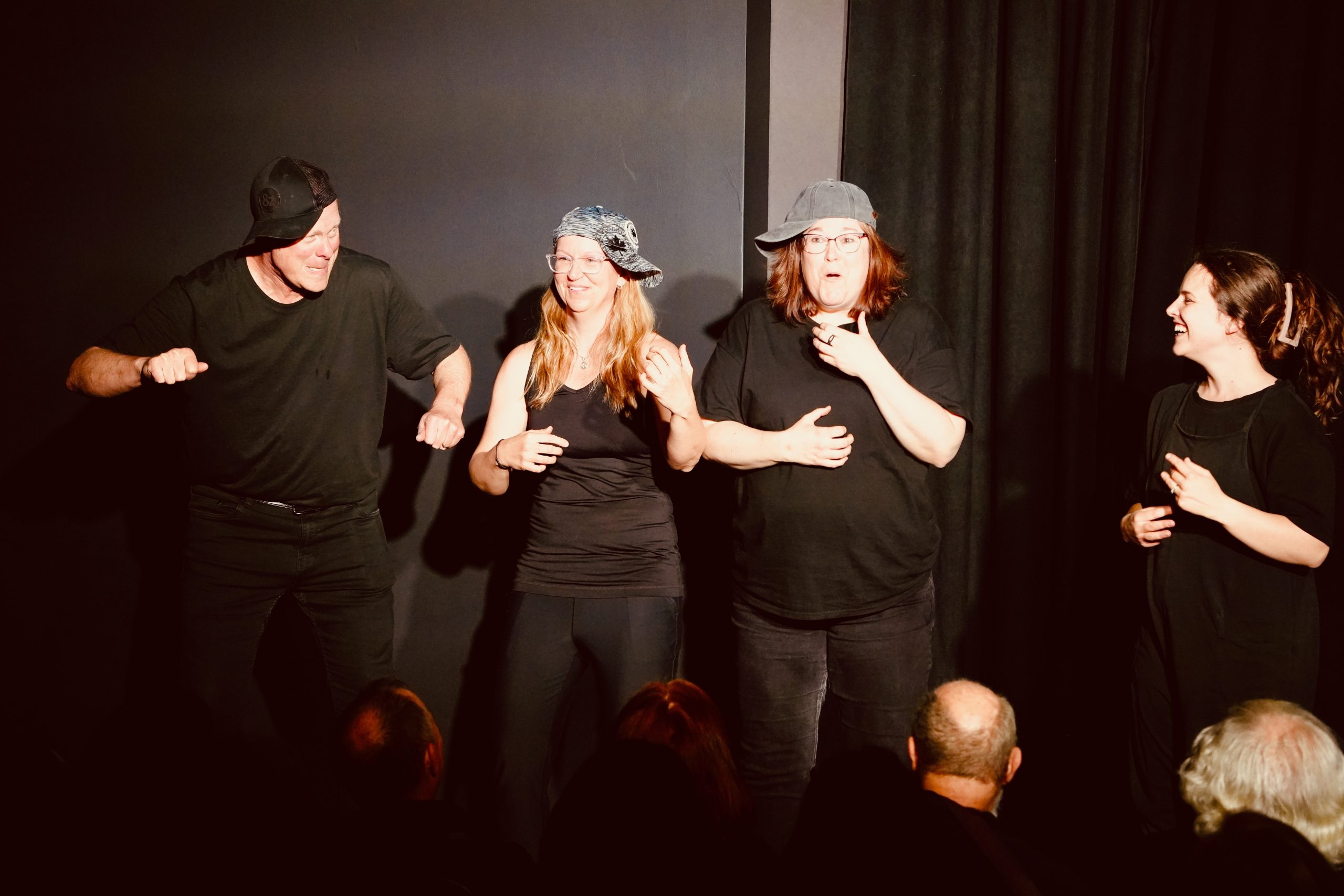
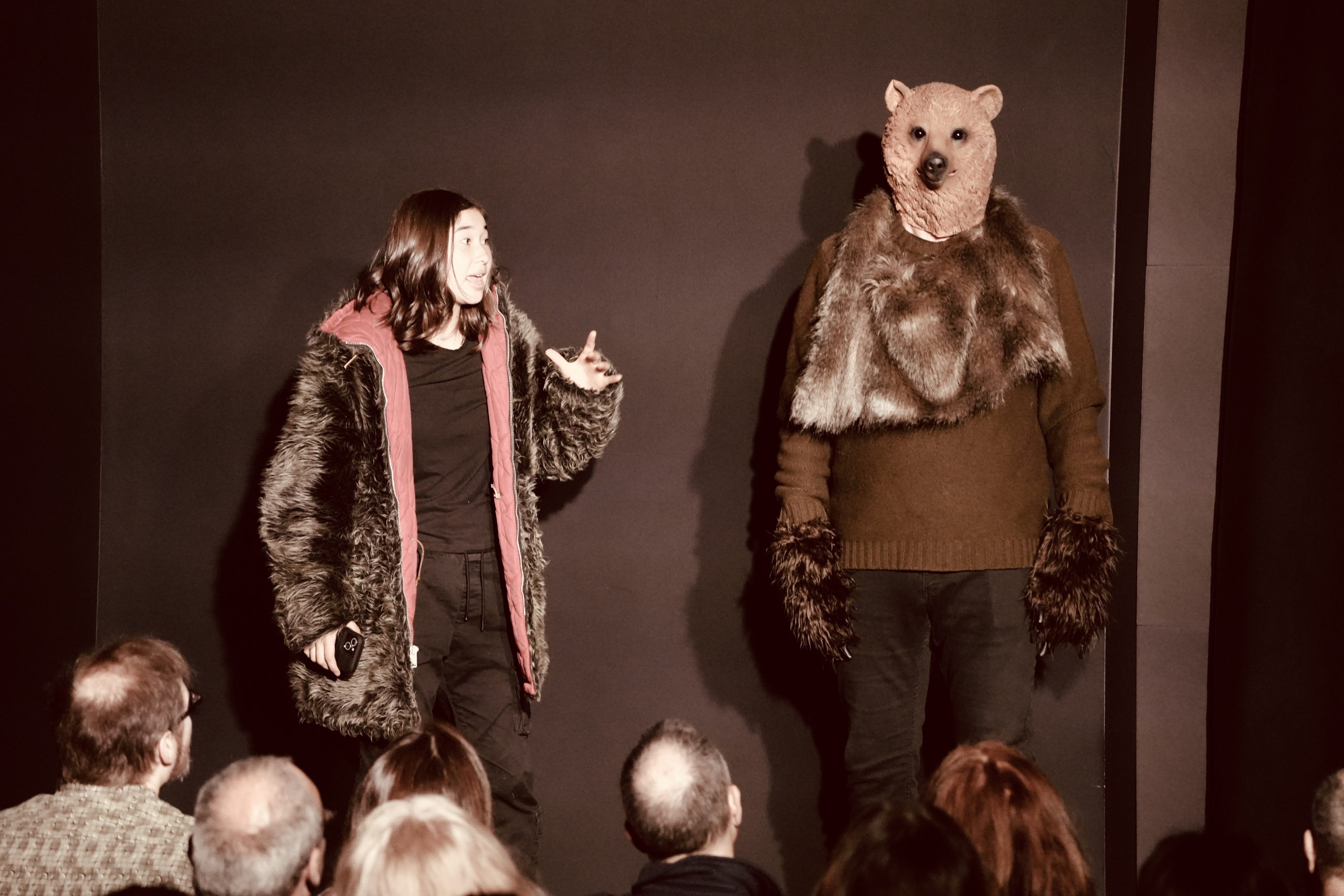
First, the obvious: we do live theatre. As a theatre, we reflect and potentially can influence society. We confront the audience and thus society simply by showing them what’s on our minds, and we offer new perspectives. With improv, it’s always a fresh perspective. Sure, it can get silly and weird, and we are primarily a comedy theatre, but comedy is the most subversive of the arts. Comedy is stealthy. A pun violates language; satire violates culture—but both sneak past your defenses and your sense of how things should be. Contemporary humor theory argues that something about comedy must violate us – whether it’s as simple as a language violation like a pun or as confrontational as a cultural violation like satire.
But it’s not all just for the audience’s benefit. That’s why we teach improv (and other stuff). If you learn to do improv comedy, you are likely to increase your confidence, but also you’ll be running up against those things that violate you. You might discover things that bothered you in the past will start to bother you less. The ability to joke about stuff means you can talk seriously and in-depth about those subjects. If you can’t joke about them, you probably have trouble talking about them, which hinders healing and keeps you in distress when confronted with unpleasant experiences or information.
Also, our business is more than a business. It’s a very welcoming community by the nature of the art form. Although there are several different styles of improv, all of them agree that acceptance is key. This attitude on stage tends to spill over into our personal lives.
And then there’s the not-so-obvious. We are aiming to become a co-op business. We aren’t there yet, but we are at the point where we are sharing profits with performers and staff. Our organization also aims to be sociocratic and non-hierarchal. It’s unorthodox, not complicated: Circles of equals approve tasks under ‘good enough for now, safe enough to try.’ Less bureaucracy, more action.
I like to think we’re modeling this for other businesses, and that’s a good step toward a more sustainable for-profit model that functions within our current system.
Can you give our readers an introduction to your business? Maybe you can share a bit about what you do and what sets you apart from others?
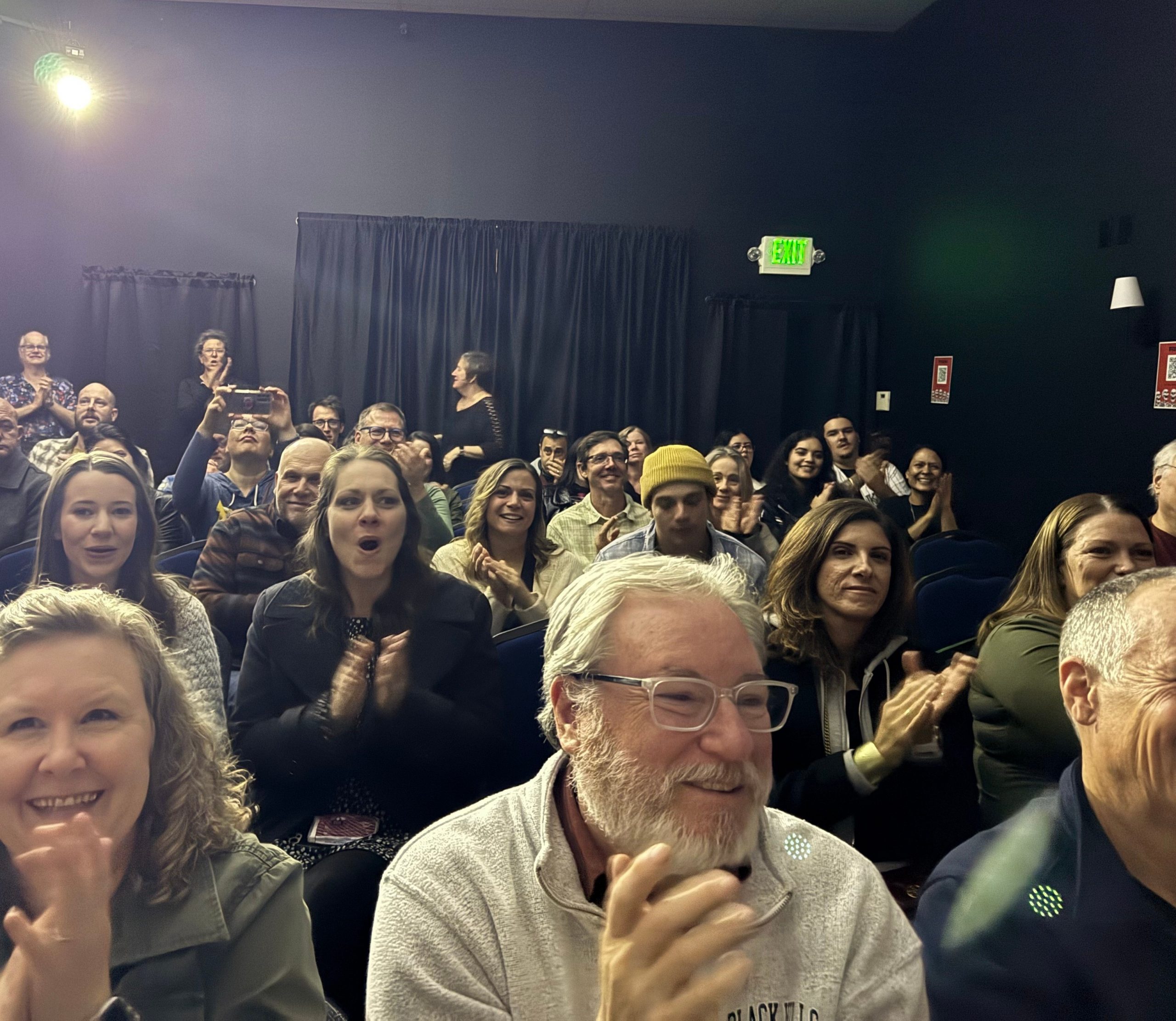
I know it’s not very businessy, but I’m most proud of the community growing at the Flipside. How much support and acceptance permeates the whole atmosphere is overwhelming. It’s an accepting group of good people who want to entertain, and that’s refreshing and worth shouting about.
And the funny thing is that it’s not even hard. I don’t just mean improv isn’t hard–I mean, if you’ve ever spoken without preparation, you’ve done improv– I mean this development of a welcoming community in a for-profit business wasn’t hard. Maybe it’s that the people who are enthusiastic about improv are generally accepting, welcoming people, or maybe it’s that improv manifests its core value of acceptance in people’s personalities as they work on their skills. I don’t know. All I know is that a strong harmonic thread is woven into the fabric of Flipside theatre, and I feel proud that I’m a part of that tapestry.
Let’s say your best friend was visiting the area and you wanted to show them the best time ever. Where would you take them? Give us a little itinerary – say it was a week long trip, where would you eat, drink, visit, hang out, etc.
I’d take them out for improv or a comedy show. I’d lean toward taking them to the Flipside, but we don’t have something going on every night. But that doesn’t matter because there is improv somewhere around here almost every night of the week. I might take them to watch a show or maybe we’d go to someplace where we could play improv. Taking somebody out to play improv is similar to going out for karaoke or mini golf–it’s low-stakes goofy fun in a supportive environment whether you’re watching or playing. Also, you meet a lot of friendly people.
Before heading to the Flipside, we would check out one of the art studios/galleries in the Superior Marketplace, like Arts off Center or CB Art Studio. And after the show or improv play, we’d eat at Murphy’s in Louisville or Organic Sandwich shop.
And at some point, we’d go hiking, ’cause that’s what you do in Colorado. After all, it’s gorgeous outside.

Shoutout is all about shouting out others who you feel deserve additional recognition and exposure. Who would you like to shoutout?
I wish to shout out to the entire Flipside community, but I’ll make some specific shouts to our core governance and founders: Miguel Hernandez, Jenny Remack, Marc Steuben, and Tracy Stegall. The fact is that a lot of people within the community are committed to the theatre’s success. Beyond the Flipside, the entire Colorado improv community has been helpful to our success; this includes Improv Boulder, the Improv Collaborative, Chuck Schultz’s mindful improv, Broomshticks,, Denver’s Rise Comedy Theater, Chaos Bloom Theatre, and What If Theater in Lakewood. The better they do, the better we do, too. I’d also like to shout out to the people at sociocracyForAll.org, who helped clarify a lot of the finer points of a non-hierarchal organization. Finally, this list would be incomplete if I didn’t mention my improv mentor, Eric Farone of Apixii Applied Improvisation; that’s the spark that started this fire.
Website: https://flipsidetheatre.com/
Instagram: https://www.instagram.com/flipsidetheatre/
Youtube: https://www.youtube.com/@FlipsideTheatre