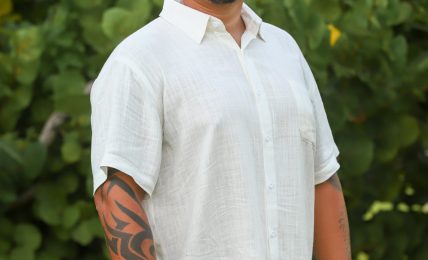
Meet Clarke Nordhauser | GRIMECRAFT / Creative Technologist


We had the good fortune of connecting with Clarke Nordhauser and we’ve shared our conversation below.
Hi Clarke, do you have some perspective or insight you can share with us on the question of when someone should give up versus when they should keep going?
There’s no easy answer. I’ve asked myself this question more times than I can count – during slow years in music, or when I was building things that were too early for the world to care about yet.
I’ve had moments where I thought maybe it was time to hang it up. Maybe I’d missed my window. Maybe the thing I loved wasn’t sustainable. But I’ve learned that “giving up” isn’t always a failure – it’s sometimes just a shift. You evolve in the process.
I’ve pivoted a lot over the years. From touring and producing music, to creating virtual concerts, to building the foundations of the metaverse. Every pivot came from a moment of friction—of almost giving up. But I didn’t walk away. I shifted. I adapted the medium, not the message.
These days, I know that the feeling of wanting to give up usually shows up right before something clicks. So if it still matters to you and the work still lights something up in your chest, keep going. Take breaks, reframe your goals, change your methods, but don’t silence you signal because the world just hasn’t tuned in yet. There’s this pressure to always be visible, always be outputting. But some of the most important shifts happen in the quiet and I’ve learned that stepping back doesn’t mean stepping away—it can just mean changing direction.
If you’re still asking the question, that usually means something in you still wants to keep going. So listen to that. Let it evolve. You don’t have to always go louder—you just have to go forward.
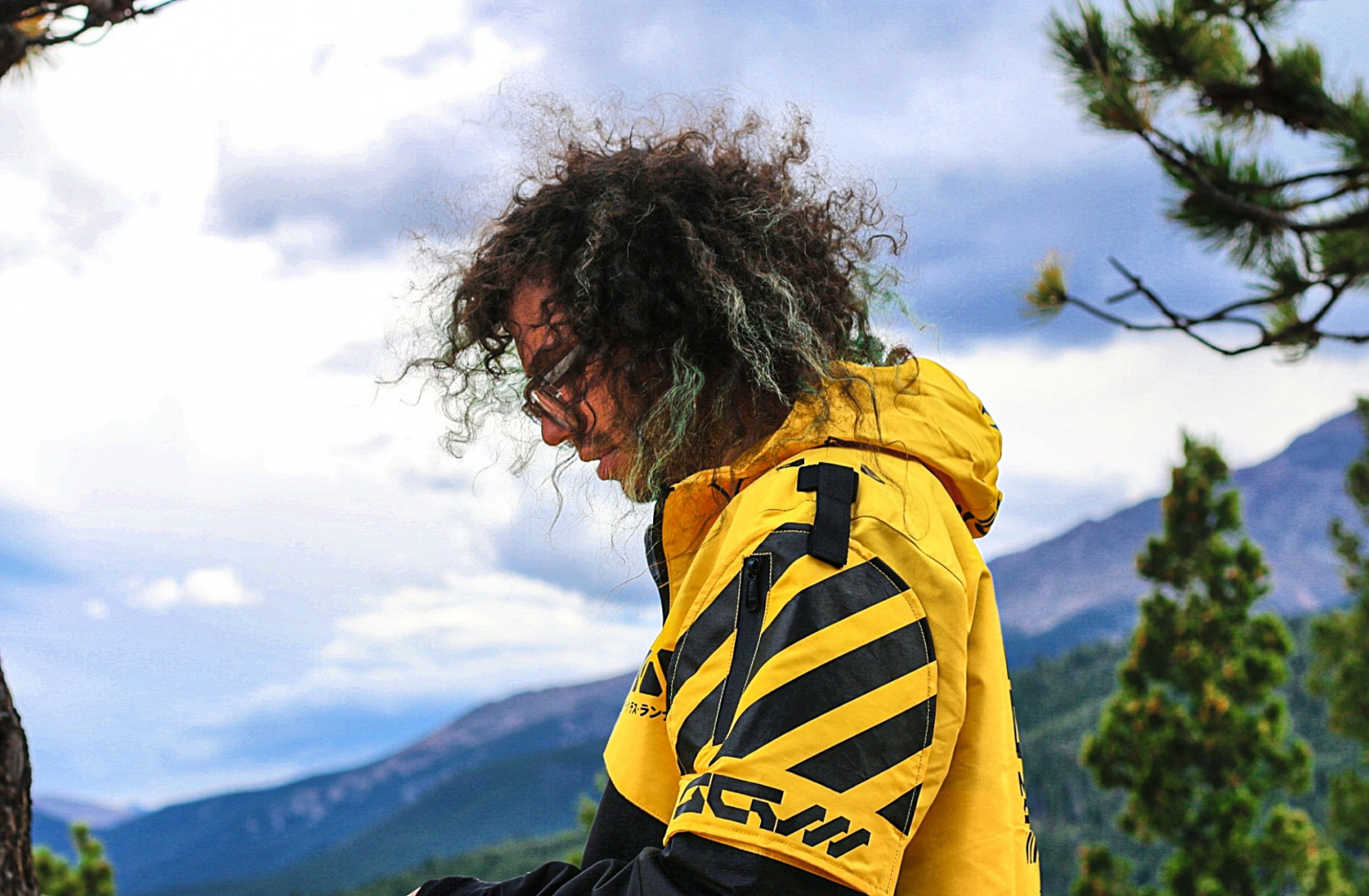
Let’s talk shop? Tell us more about your career, what can you share with our community?
At its core, my art is about connection, bridging people, platforms, and worlds. I’ve spent my career exploring and expanding the overlap between video games, music, and technology—not just as themes, but as mediums in their own right. I want to create spaces where people feel something real, whether they’re sitting behind a screen or standing in a room full of strangers.
I’ve spent the last decade pioneering new creative formats. I started in AAA game development, working at iconic studios like Insomniac Games (Spyro, Ratchet & Clank), Harmonix (Guitar Hero, Rock Band, Fortnite Festival), and Crystal Dynamics (Tomb Raider, Legacy of Kain). These were foundational experiences. I got to studios whose games meant everything to me growing up. But I also realized that I was more interested in the culture around games—the way people play, connect, and build identity through them—than in shipping the next title in a franchise.
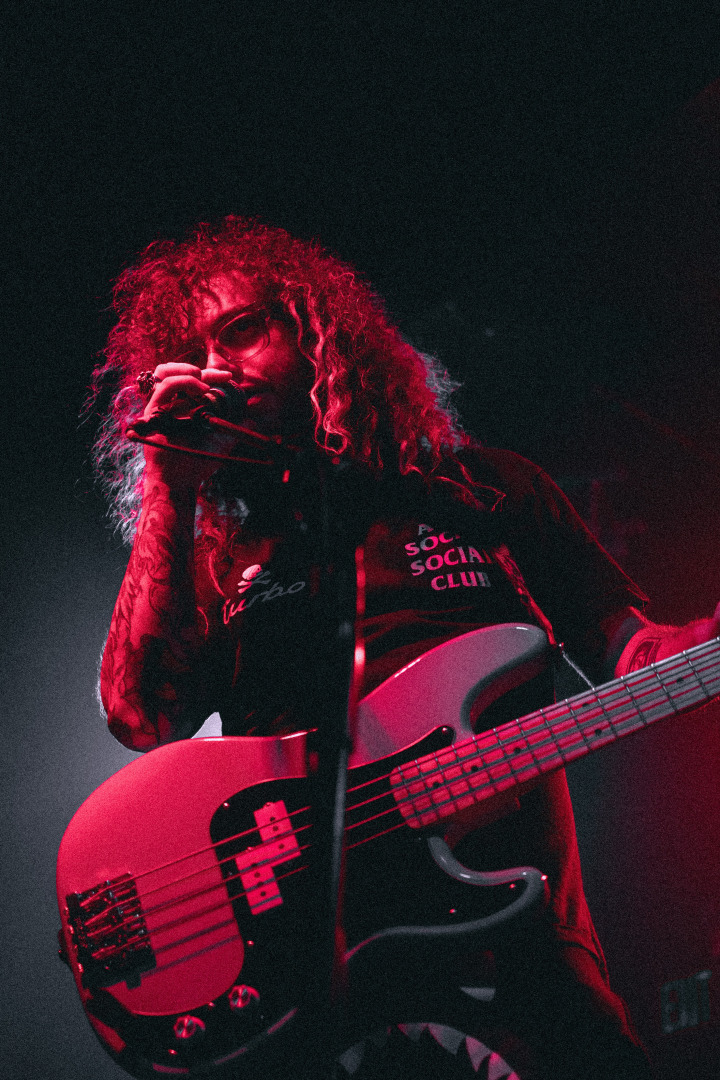
At the same time, I was developing my own sound and persona through GRIMECRAFT, a music project I started to remix video game soundtracks. In 2013, I released PokéP, a Pokémon-inspired fan album that unexpectedly took off. It led to Billboard coverage, memes, and a growing audience that resonated with what I was doing. That project became a proof of concept for everything that followed.
After being laid off from Harmonix at the end of 2013, I moved to San Francisco to join Crystal Dynamics, but during that time, I reached a breaking point. The pressure, the pace, and the growing disconnect between my personal creative drive and the studio system left me burned out and questioning everything. It was a moment of deep reflection and ultimately, redirection. I chose to walk away and go all-in on music—and that decision changed everything.
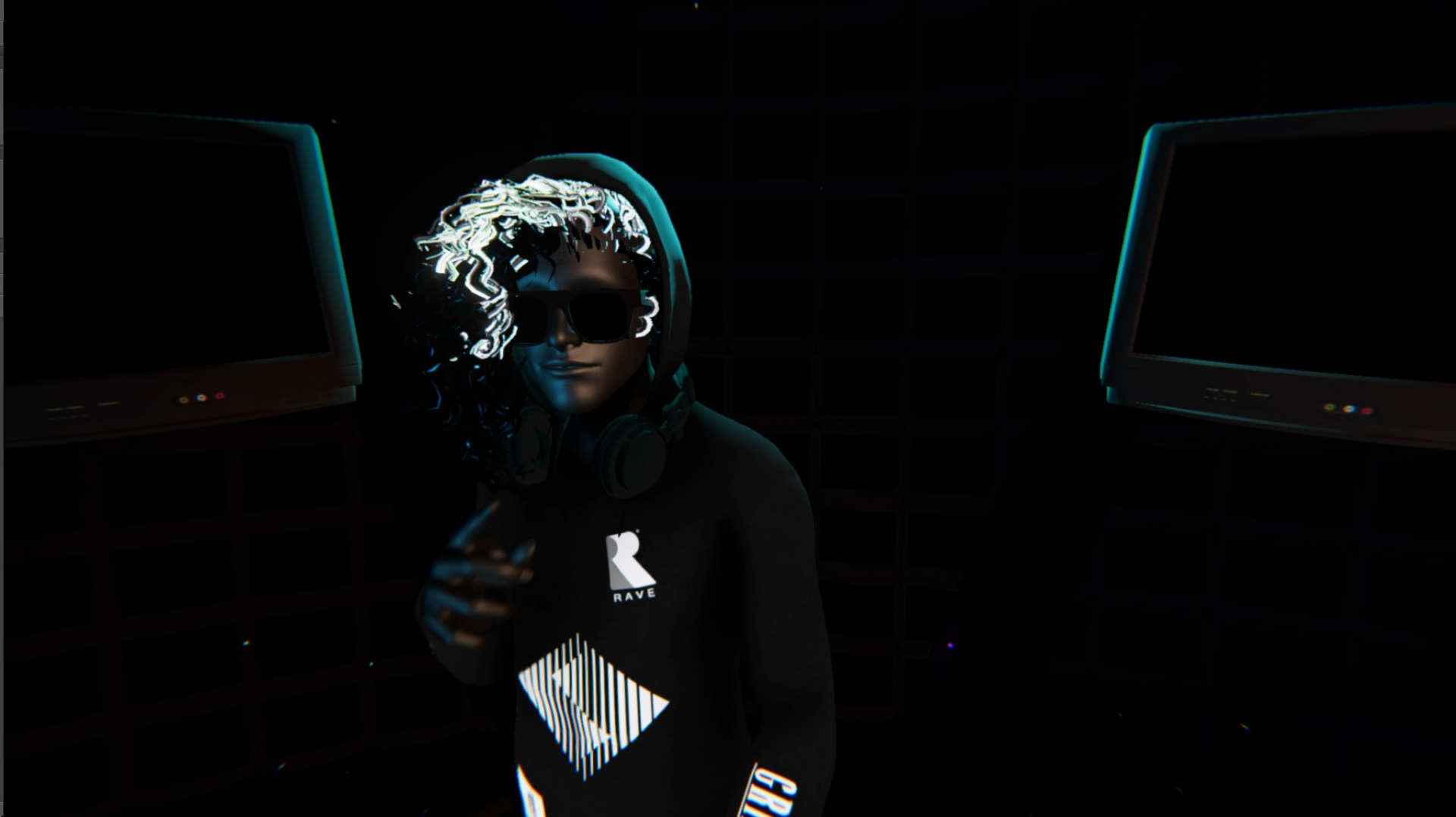
I became one of the early partners of Twitch’s new music initiative, helping define what music performance could look like in a live-streamed, always-online world. I wasn’t just DJing; I was speaking the language of gamers, anime fans, and internet netizens who didn’t fit into traditional music spaces. I built shows that felt like LAN parties: CRTs, classic game setups, cosplay, nostalgia, chaos. They were events for people who never felt like clubs or festivals were for them.
That momentum carried me across the world. I headlined conventions like Anime Expo and MAGFest. I contributed to the cultural fabric of the video game convention circuit and released music through some of the most forward-thinking labels in Japan, including Maltine Records and Trekkie Trax. These labels believed in me early and gave me a home in a scene that felt spiritually aligned. The support from Tokyo’s underground—especially at a time when experimental club music was evolving rapidly—meant everything to me.
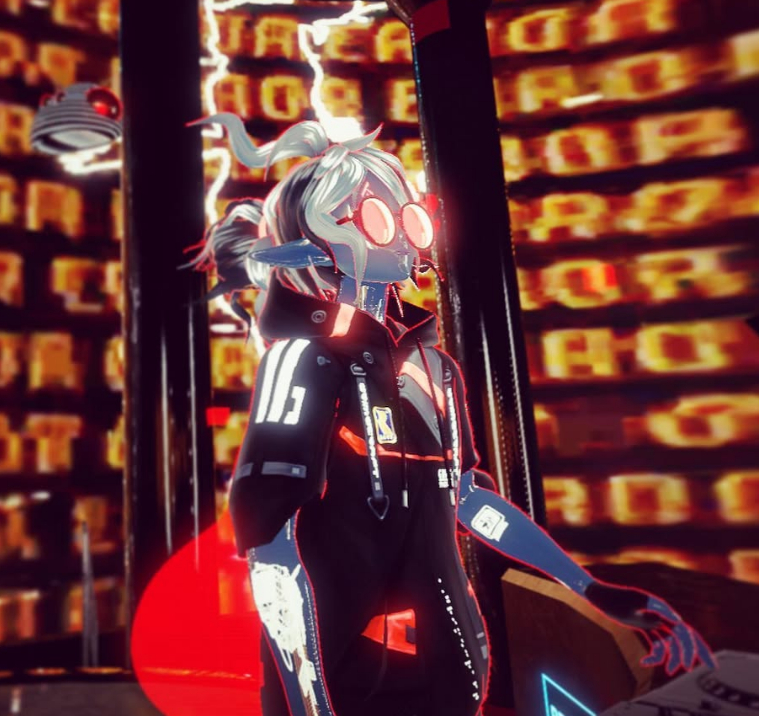
In late 2015, I joined the founding team at Wave alongside former Harmonix coworkers and close friends. The startup would go on to pioneer real-time virtual concerts. We used real-time motion capture, Unity, and virtual avatars to build fully live digital performances long before “metaverse” became a buzzword. I directed some of the earliest shows of their kind and invented completely new formats of music performance. That period was creatively explosive. We didn’t have a roadmap—we were the roadmap.
It was also a period of intense learning. I was managing my own tours, designing visuals, and experimenting with VR, all while navigating an industry that still didn’t quite know what to make of someone like me. But the response was clear; there was an audience for this, and I was building the blueprint for how to reach them.
As my career grew, I signed with a leading talent agency that specialized in online performers working in the emerging medium of livestream entertainment. I joined the roster as their third music act alongside T-Pain and DragonForce. That moment marked a major shift. What had started as a side project blending video game nostalgia and club music had now positioned me at the forefront of a new creative movement. I wasn’t just playing conventions and underground parties anymore; I was being recognized as a legitimate force in live digital performance.
It was surreal, but also affirming. I had spent years carving out a lane that didn’t exist, and now the industry was starting to catch up. Suddenly, the things that made me weird—my deep love for video games, JRPG soundtracks, low-poly aesthetics, and internet culture—became the very things that made me valuable. I was helping shape the playbook for a generation of creators raised online.
But success comes with its own kind of pressure. When you’re creating something new and gaining momentum, people start to project things onto you: expectations, competition, criticism. The higher you climb, the louder the noise gets. I dealt with hate, copycats, skepticism, and people trying to tear me down just for existing outside the norm. It was draining in a way that’s hard to explain unless you’ve lived it.
The internet can be brutal, especially when you’re seen as early, different, or ahead of the curve. There were moments when I felt isolated at the top of my own lane—like I’d created a throne just to be the target sitting in it. And when your art is personal, every attack feels personal too. That’s part of why I stepped back in 2020. Not just because of the pandemic, but because I needed to reclaim my own energy before the burnout turned into something worse. I moved to Denver, a reset both physically and creatively—somewhere I could catch my breath, rebuild my focus, and evolve in a quieter space.
I became an advisor to Improbable, a British technology company, helping them shape the infrastructure for massive-scale online worlds. That work grew into MSquared, where I now do creative work across projects exploring metaverse-scale virtual interaction, interoperable open standards, and immersive social events. We’re building a foundation for creators who want to express themselves in digital space without compromise.
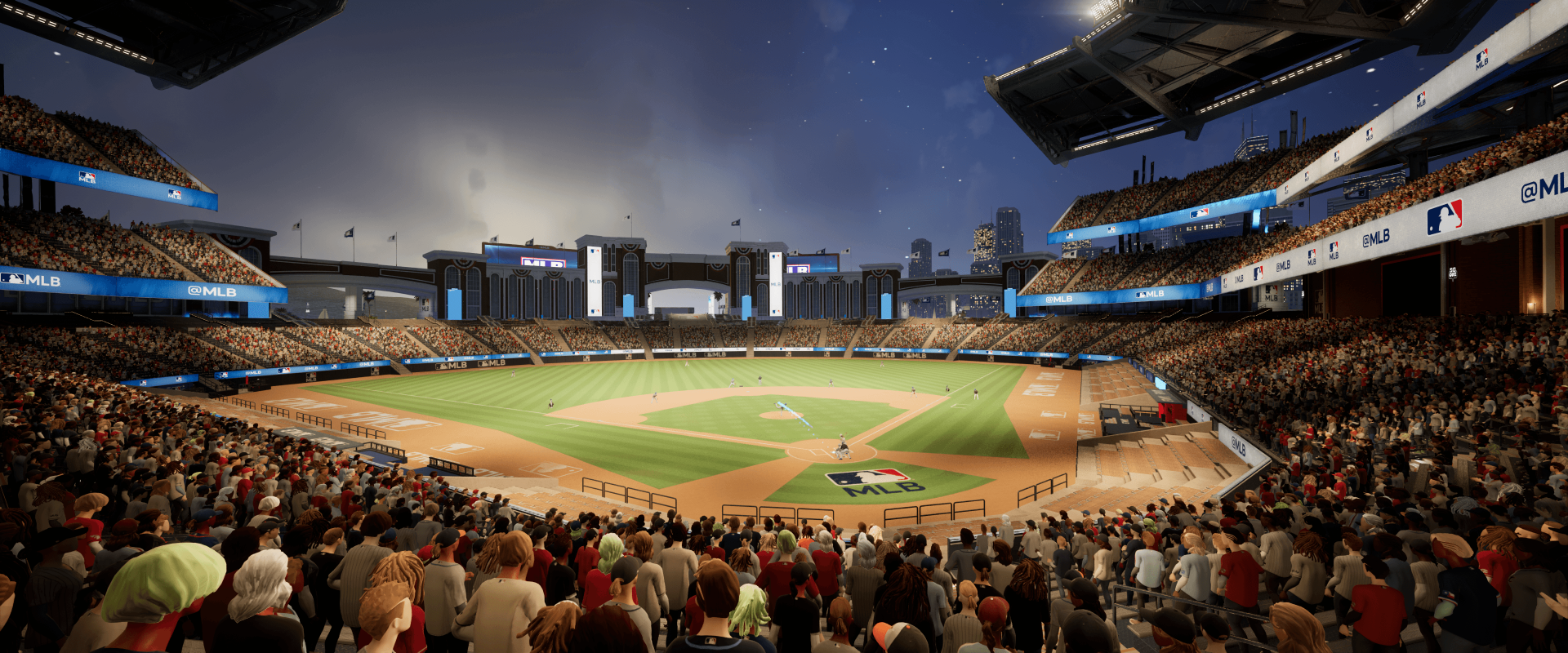
Through MSquared and Improbable, I’ve helped produce massive-scale digital events like MLB’s Virtual Ballpark, where we hosted multiple live games, inside a shared metaverse space. What made it groundbreaking wasn’t just the setting—it was the tech behind the curtain. We mapped real-time player data from the field directly onto digital avatars, syncing live player motion to in-world representation in a matter of milliseconds. It was a live performance in its own right. Keeping the data in sync with the broadcast felt like beatmatching in a DJ set. It wasn’t just a stream with avatars; it was a full-on, reactive digital stadium experience that let thousands of fans from around the world feel like they were part of something together.
We also brought K-pop group TWICE into the metaverse with a virtual listening party for their album With YOU-th, which debuted at number one on the Billboard 200. These projects weren’t just cool experiments—they were proof that virtual space, when done right, can be just as emotional and immediate as real life, and sometimes even more accessible, global, and connective.
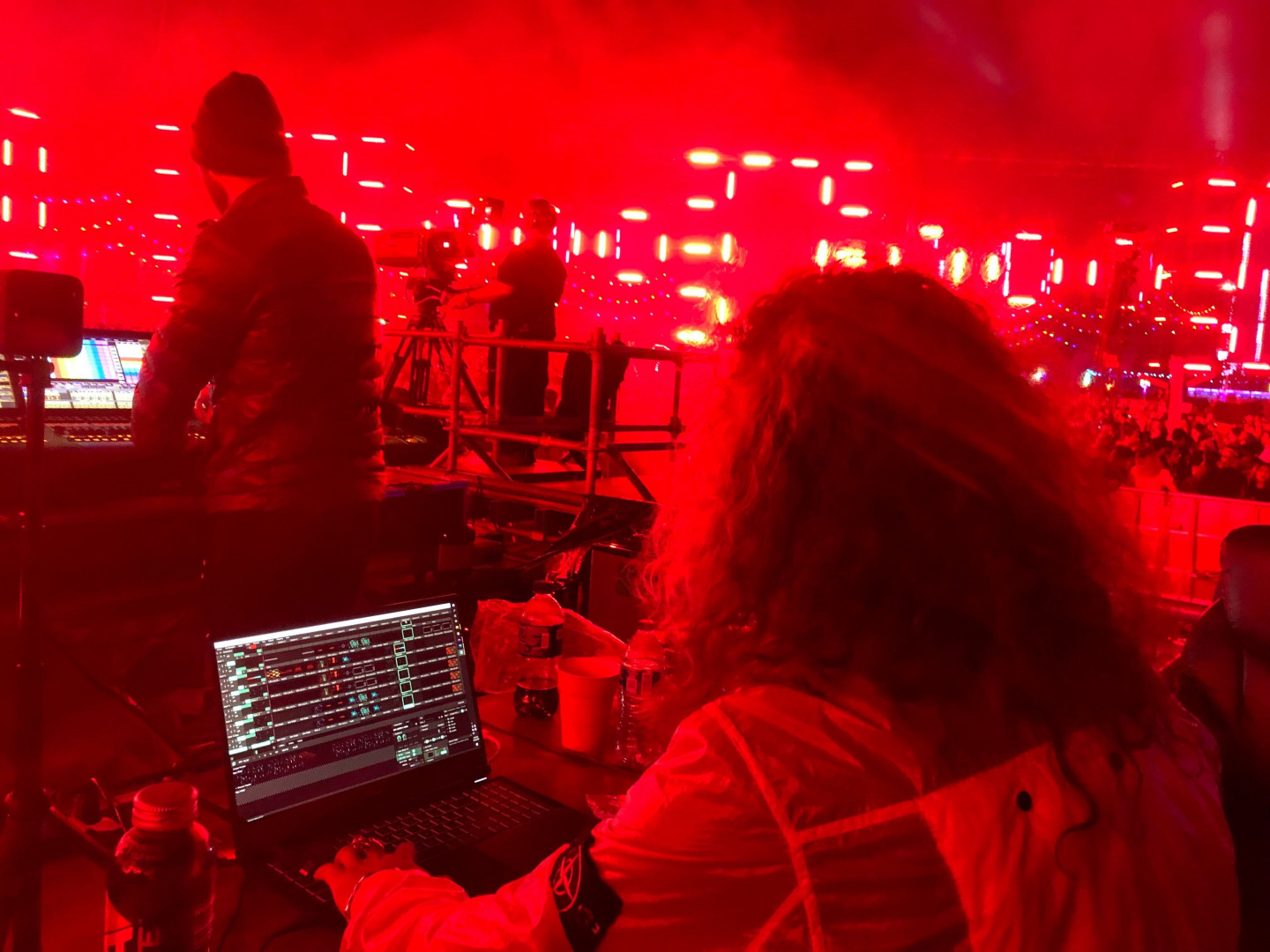
Lately, I’ve been creating small, uncredited installations—works that blend CRTs, video game consoles, and organic materials to spark quiet conversations around nostalgia and the physical imprint of digital memory. I also briefly played in a band that went more viral than I was comfortable with. These days, I’d rather be the NPC than the main character. I still VJ on some of the biggest stages in the world—Red Rocks, EDC—but I’m more interested in the work than the spotlight.
I’ve learned a lot along the way. Most importantly, reinvention isn’t failure. Pausing isn’t quitting. It’s okay to disappear, recalibrate, and come back sharper. What you make is important, but how it makes people feel is what lasts.
What I want the world to know about me and my story is that I’ve always been trying to design better paths for human connection, especially in digital space. The bridge between URL and IRL is one of the most complicated, emotionally charged, and broken systems in our lives today. Online spaces can feel toxic, isolating, and performative. Most “social” platforms aren’t really built for community; they’re built for engagement metrics.
My work is about changing that. I want to build worlds and experiences that are playful, inclusive, strange, and vulnerable—where people can show up as they are and connect in ways that matter. I want to show what happens when the internet feels like home again.
If you had a friend visiting you, what are some of the local spots you’d want to take them around to?
If my best friend came to visit Denver, I’d plan a week around some of my favorite local spots—places that capture the city’s character through art, video games, food, and the outdoors. We’d start at Ti Cafe, a Vietnamese coffee shop where one of my installations lives: a wall of CRTs running retro games and audio-reactive visuals. In the corner, there’s also a translucent blue Japanese N64 playing Smash 64 on a matching blueberry Apple Studio Display CRT. From there, we’d stop by two of my go-to retro game shops, Level 7 Games and Game Force. Level 7 stands out not only for its excellent selection and nostalgic music choices, but also because its owner, Jon Young, was the first person in Denver to recognize me as GRIMECRAFT and has been welcoming ever since.
We’d have to carve out time for a visit to Fifty-Two 80’s, a collectibles shop filled with vintage toys, VHS tapes, and other nostalgic finds. Then over to Akihabara Arcade for some import fighting games, themed drinks, and Ramune for those not drinking. If it’s snow season, we’d head up to Keystone for a day on the slopes, followed by a meal at Scooter’s Smokehouse BBQ in Georgetown on the drive back.
As for food, there’s no shortage of standouts. Little Arthur’s serves up incredible East Coast-style pizza, Blue Pan nails the Detroit-style, Colore Italian is a warm neighborhood Italian spot with standout dishes like the steak pizzaiola, and Jinya always hits the spot with a hot bowl of tonkotsu ramen.
It’s a mix of the things I love most—games, art, the mountains, and a deep sense of community. That’s the Denver I’d want to share.
The Shoutout series is all about recognizing that our success and where we are in life is at least somewhat thanks to the efforts, support, mentorship, love and encouragement of others. So is there someone that you want to dedicate your shoutout to?
There are a lot of people who deserve recognition in my story. Some showed up early, others much later. Some didn’t even know they were helping. Most importantly my friends and family, my brother Hunter, my partner Shominic and her sisters, and my inspiring coworkers across the pond who make life as a modern day creative fulfilling.
I also owe a lot to the virtual worlds that raised me. Strangers online who became friends in WoW, FFXIV, Phantasy Star Online, and various spaces in VR. Forum anons who taught me how to remix, mod, and learn—long before the era of digital abundance.
Lastly, Andrew “Android” Jones—a person who’s path from video games to immersive art inspired my journey.
Website: https://www.grimecraft.com
Instagram: https://instagram.com/grimecraft
Twitter: https://twitter.com/grimecraft
Soundcloud: https://soundcloud.com/grimecraft
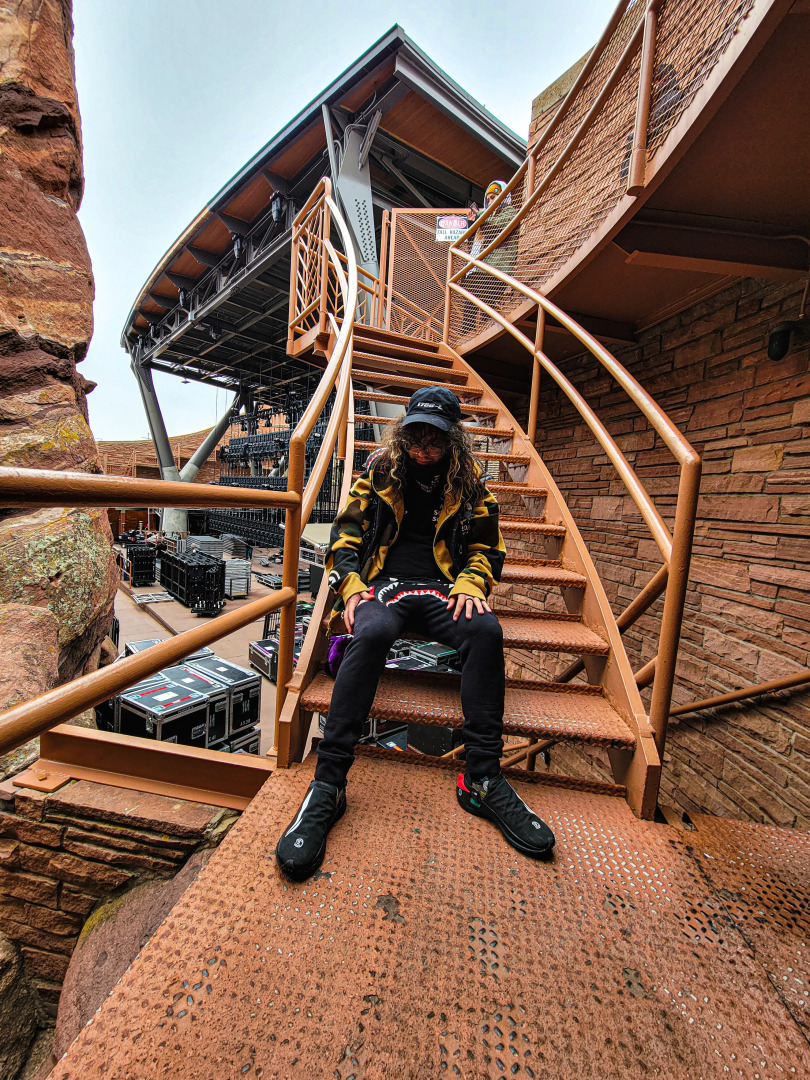
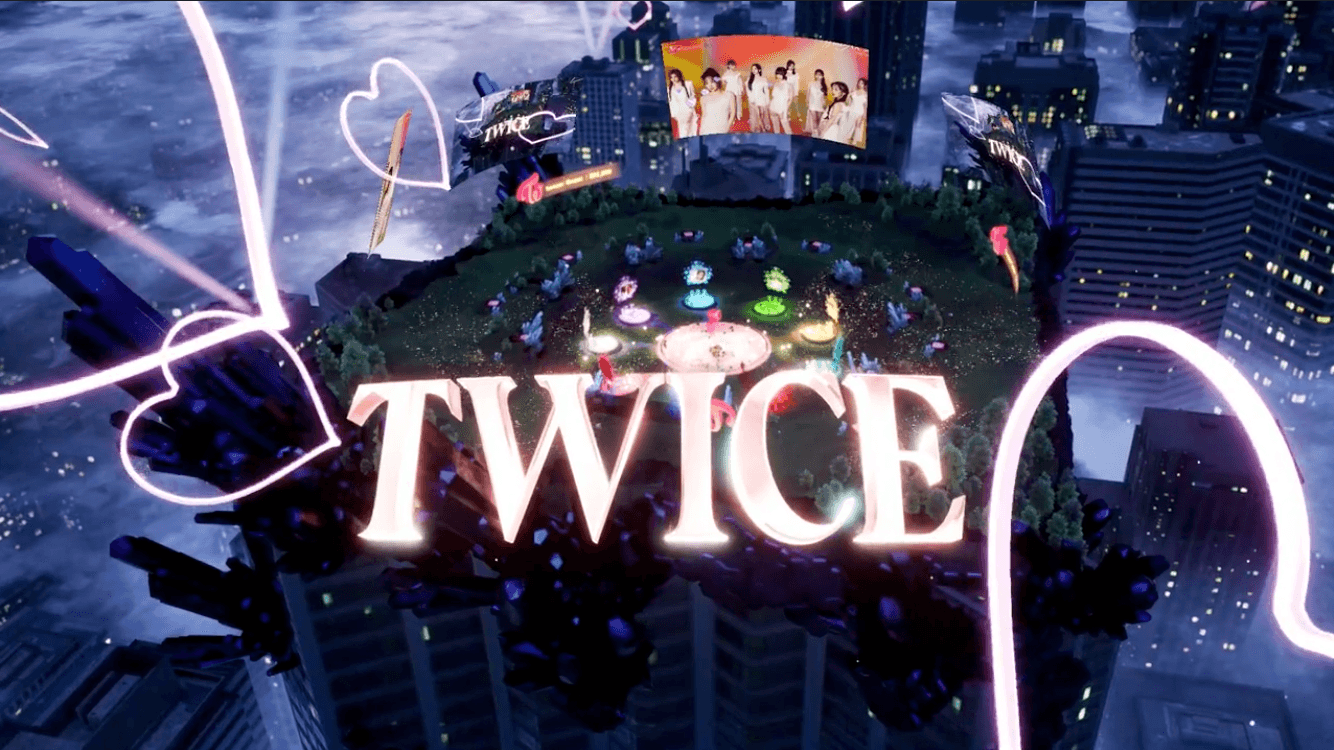
Image Credits
Filmerforhire
Shominic Nguyen
Kody Kurth