Meet Rick Olderman | Physical Therapist & Author
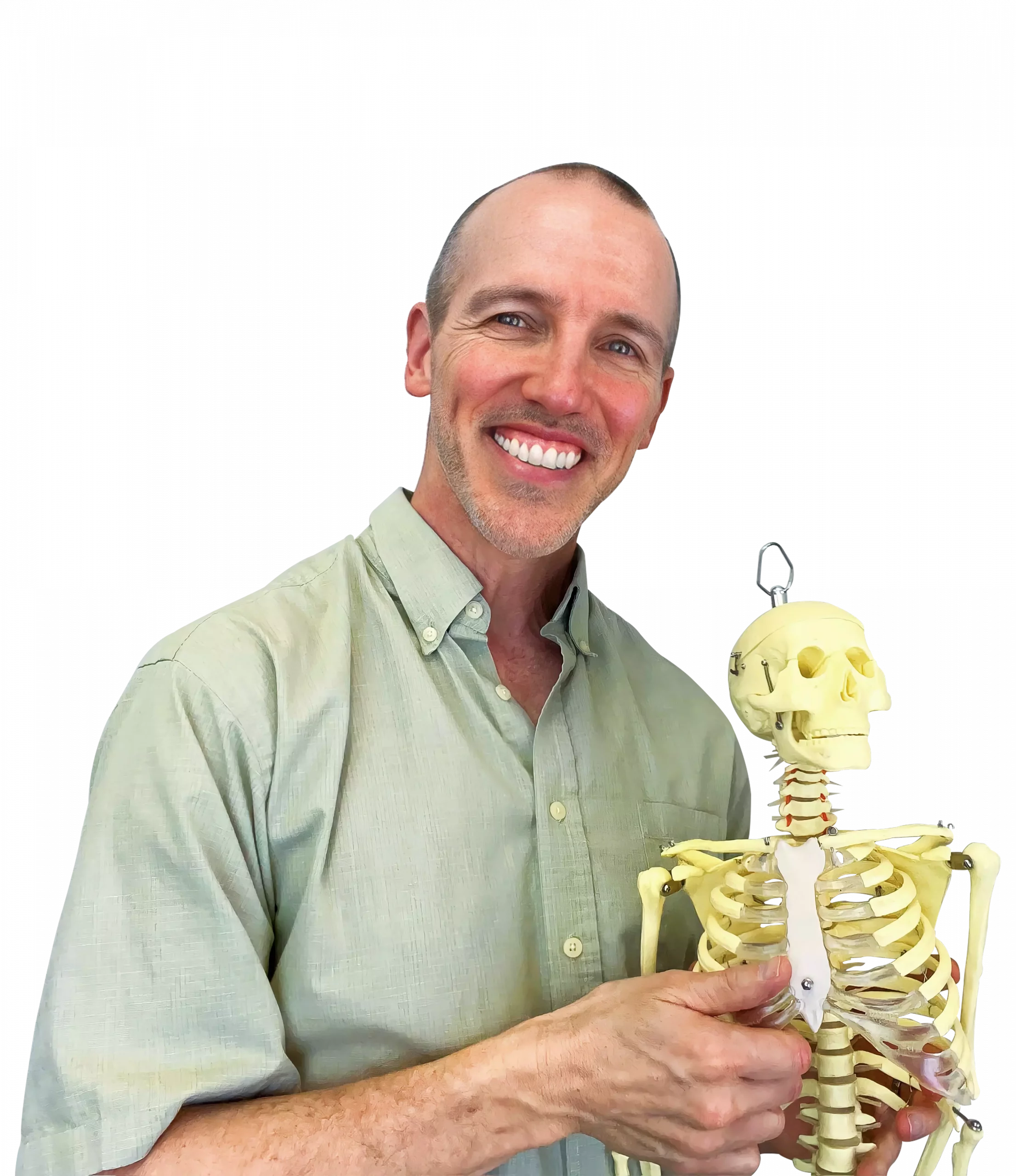

We had the good fortune of connecting with Rick Olderman and we’ve shared our conversation below.
Hi Rick, is there something that you feel is most responsible for your success?
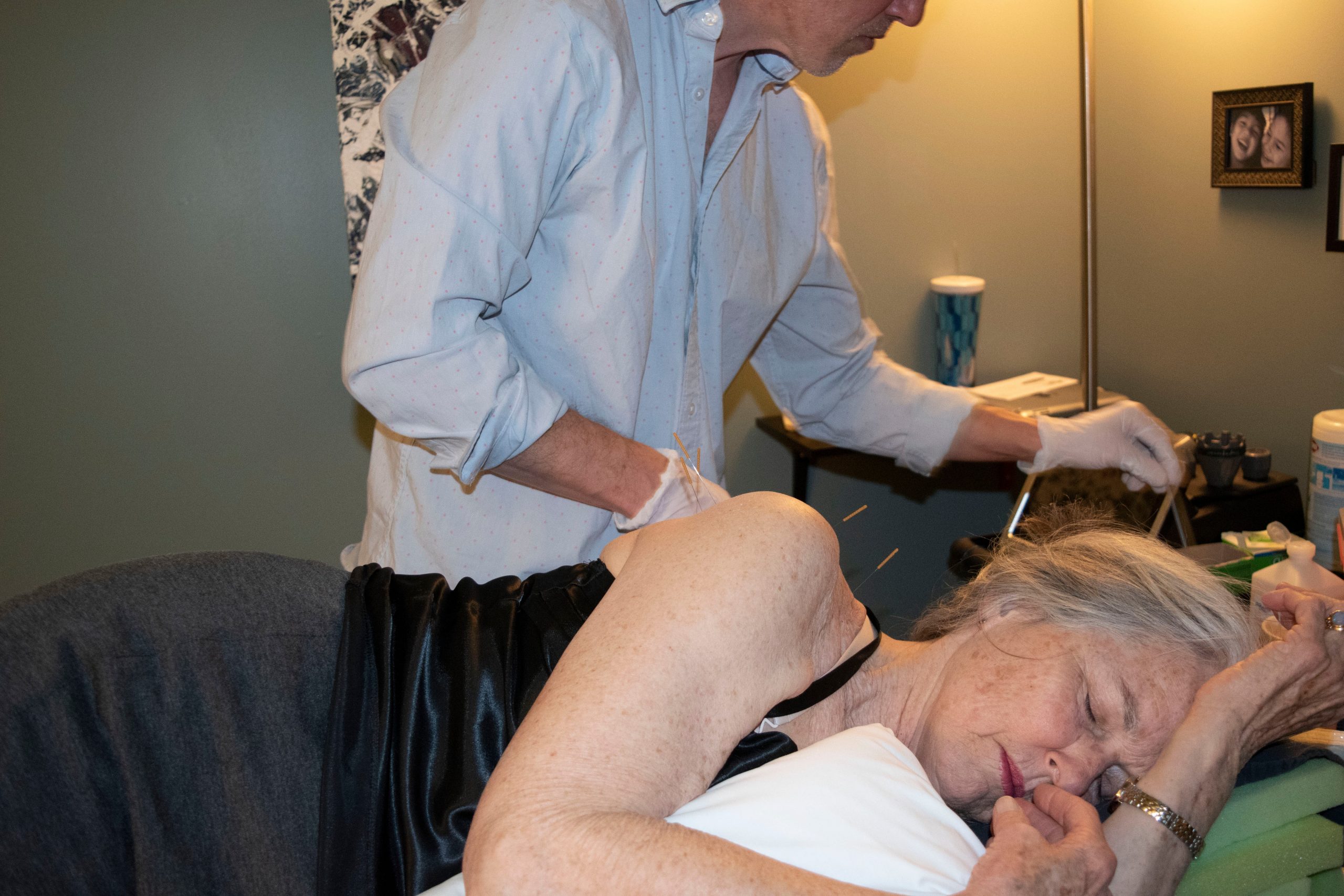
Being willing to see when I’m failing. Early in my career as a physical therapist, I realized I wasn’t effectively helping people with chronic conditions. That uncomfortable truth pushed me to search deeper for answers, and I knew I’d found them when people’s pain actually went away.
As I developed this knowledge, I recognized another problem: medical providers, like all professionals, have internal biases that shape what information they embrace or dismiss. This isn’t malicious; it’s just how we filter the vast amounts of medical information out there. So I decided to bypass those gatekeepers by writing the Fixing You book series, making the information directly accessible to patients.
Every time I couldn’t help someone, I saw an opportunity to learn more by casting a wider net into areas most physical therapists wouldn’t explore. To test whether this approach could scale beyond my home practice, I purchased a small clinic. Over nine years, it grew fivefold entirely through word of mouth. Doctors started sending us their toughest patients, and I trained my therapists in these methods. I sold that clinic three and a half years ago and am back to working solo.
Ultimately, the secret has been seeing reality as it is rather than as I want it to be, then continuously working to improve it. If someone isn’t getting better, I don’t give up. Instead I see it as an opportunity to learn more. My success is also helped by the fact that chronic pain is an evergreen problem and that new people will always need this information, which keeps my work relevant.
Can you open up a bit about your work and career? We’re big fans and we’d love for our community to learn more about your work.
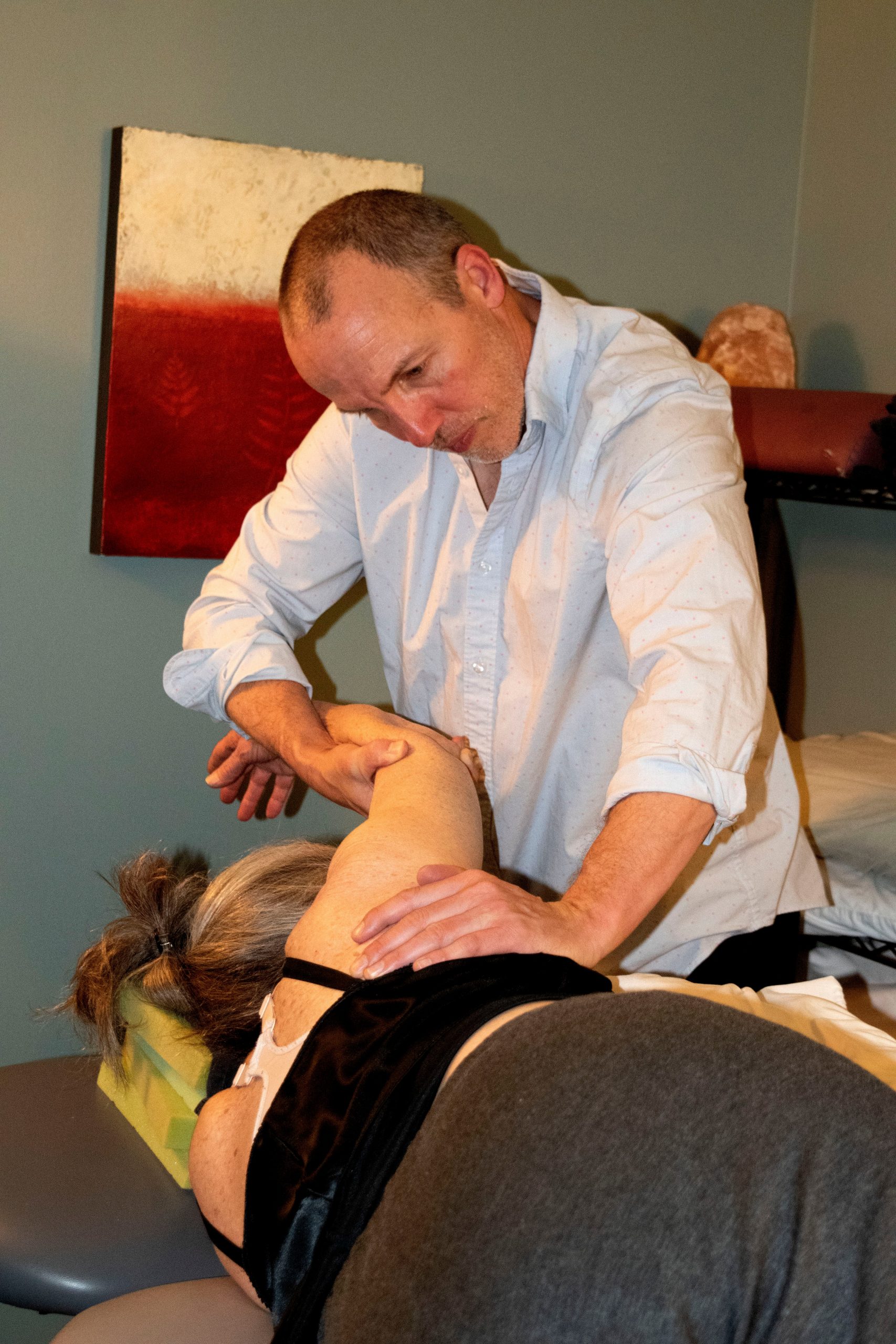
What sets me apart is understanding chronic pain as a systems problem rather than identifying specific damaged tissue. Physical therapy and medicine train us to isolate injured parts through tests and imaging. This works for acute injuries, but most patients I see have chronic conditions like back pain, sciatica, or headaches that persisted for years.
Chronic pain requires seeing how our bodies work as interconnected systems. Unfortunately, our traditional medical approach conditions patients to think in terms of isolated parts, leaving them unable to understand their bodies as integrated wholes.
This led me to develop a systems approach, detailed in my books and YouTube channel. Paradoxically, while systems thinking is more comprehensive, it actually simplifies solving chronic pain. My latest book, Pain Patterns, won the 2025 National Indie Excellence Award. Part one explains how three systems create chronic pain: movement patterns, fascial tension, and reflex patterns. Part two provides diagnostic tests readers can do themselves, followed by targeted exercises with free videos.
I’m most proud of making this understanding accessible directly to patients. Rather than generic protocols, the book helps people identify their specific pain pattern, whether extension problems, flexion problems, or sidebending patterns, then provides exactly what they need.
What I want people to know: chronic pain isn’t mysterious. It has patterns. Once you see your pattern, the solution becomes clear.

If you had a friend visiting you, what are some of the local spots you’d want to take them around to?
If they love food, we’d hit several of my favorite spots: O Lien Kitchen and Pho Duy for exceptional Vietnamese, Los Carboncitos for authentic Mexican, and the Edgewater Marketplace where Konjo Ethiopian Food is a standout among many great options like Black Box Bakery.
Red Rocks is a must. Beyond concerts, the weekend scene is incredible: watching people tackle those brutal stair workouts while surrounded by those massive rock formations. The museum there tells fascinating stories about the venue’s history and the legendary performances.
I’d take them walking through my neighborhood, where 100 year old Victorians sit next to sleek modern architecture. It’s Denver’s evolution in real time. Confluence Park offers a different vibe: grab something at REI, watch kayakers navigating the South Platte, and soak in that urban outdoor culture Denver does so well.
But honestly? The best part of any day here is finishing it on my front porch with a beer, bourbon, or scotch in hand. There’s something about that combination of good conversation, a quality drink, and watching the neighborhood wind down that captures what I love about living here.
Shoutout is all about shouting out others who you feel deserve additional recognition and exposure. Who would you like to shoutout?
Absolutely. My early understanding of how our bodies function came from Dr. Shirley Sahrmann’s groundbreaking work at Washington University School of Medicine’s Physical Therapy department, where she was a clinician, instructor, and researcher. Her two textbooks and course series completely turned my patient success around.
Then Thomas Myers’ eye-opening book, Anatomy Trains, helped me understand fascia and its critical role in biomechanics and pain. Finally, Hanna Somatics, developed by Thomas Hanna and Eleanor Criswell Hanna, was the final linchpin in my understanding of how our bodies create and heal from pain.
These people were most instrumental in my success helping others. Yet each was unaware of the other’s work. I simply synthesized their approaches to create my own paradigm for understanding and treating chronic pain.
Website: https://rickolderman.com/
Linkedin: https://www.linkedin.com/in/rickolderman/
Facebook: https://www.facebook.com/groups/507397527512343
Youtube: https://www.youtube.com/c/RickOldermanPT