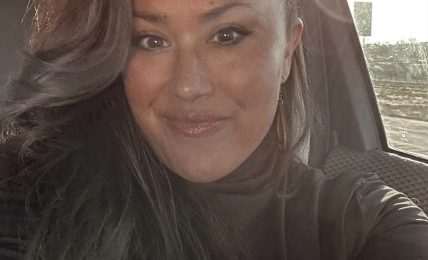
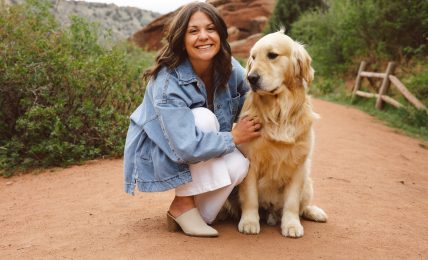
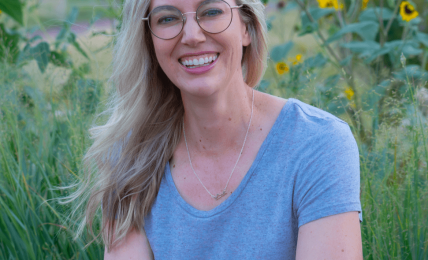
Meet Barbara Henry | Executive Director
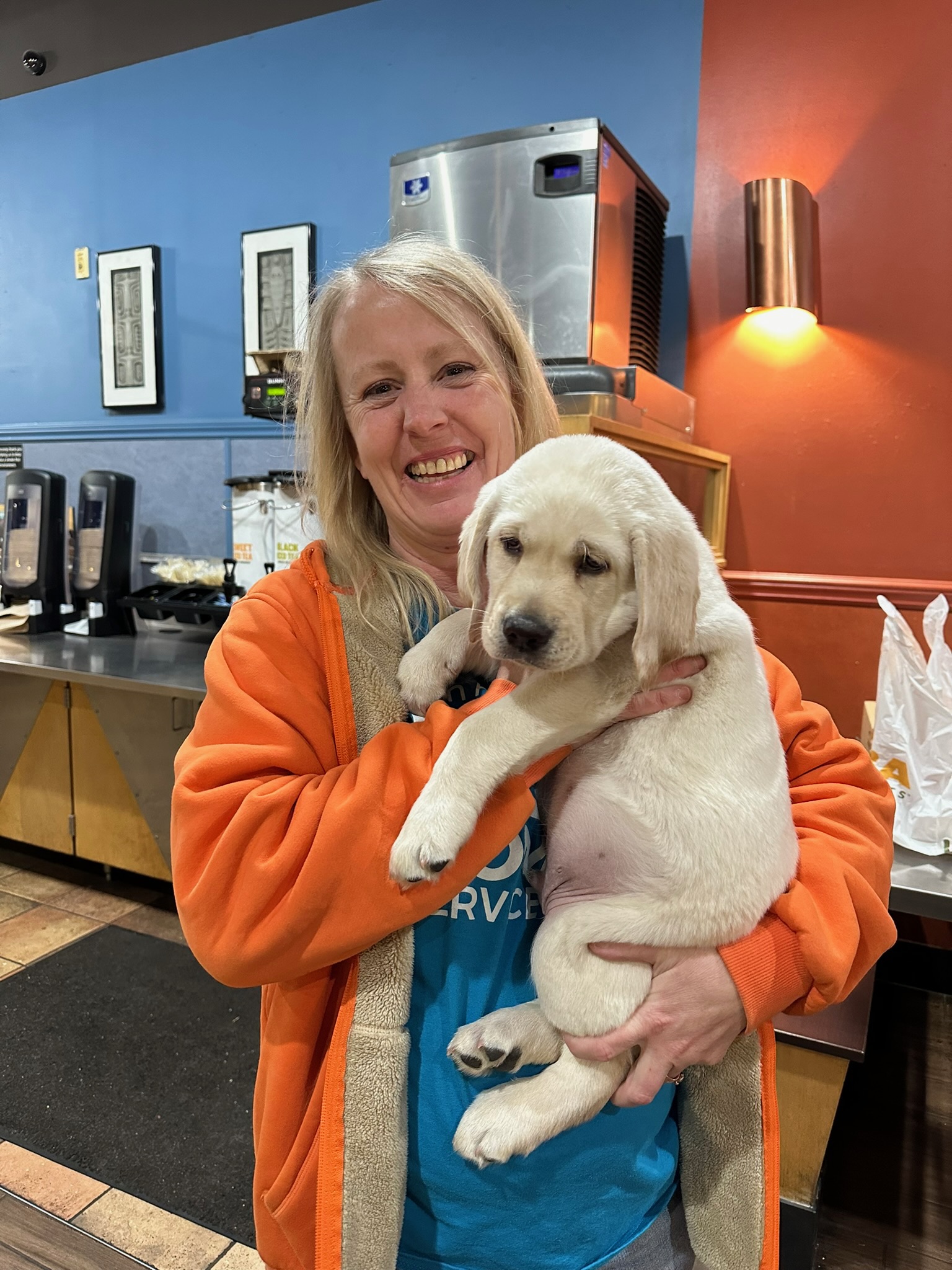

We had the good fortune of connecting with Barbara Henry and we’ve shared our conversation below.
Hi Barbara, is your business focused on helping the community? If so, how?
That question goes to the heart of why Domino Service Dogs exists.
We don’t just train service dogs.
We change systems.
1. We Expand Access to Independence
Traditional service dog programs often require $25,000–$40,000 upfront and years on a waitlist. Our owner-trained, multi-year model empowers people with disabilities to train their own dogs through ethical, evidence-based instruction.
That means:
• More families can afford access.
• Handlers gain real skill and confidence.
• Independence is built — not delivered.
When a disabled person trains their own service dog, something powerful happens: they become an active participant in their independence, not a passive recipient.
⸻
2. We Change How Communities Interact with Disability
The impact goes beyond the handler.
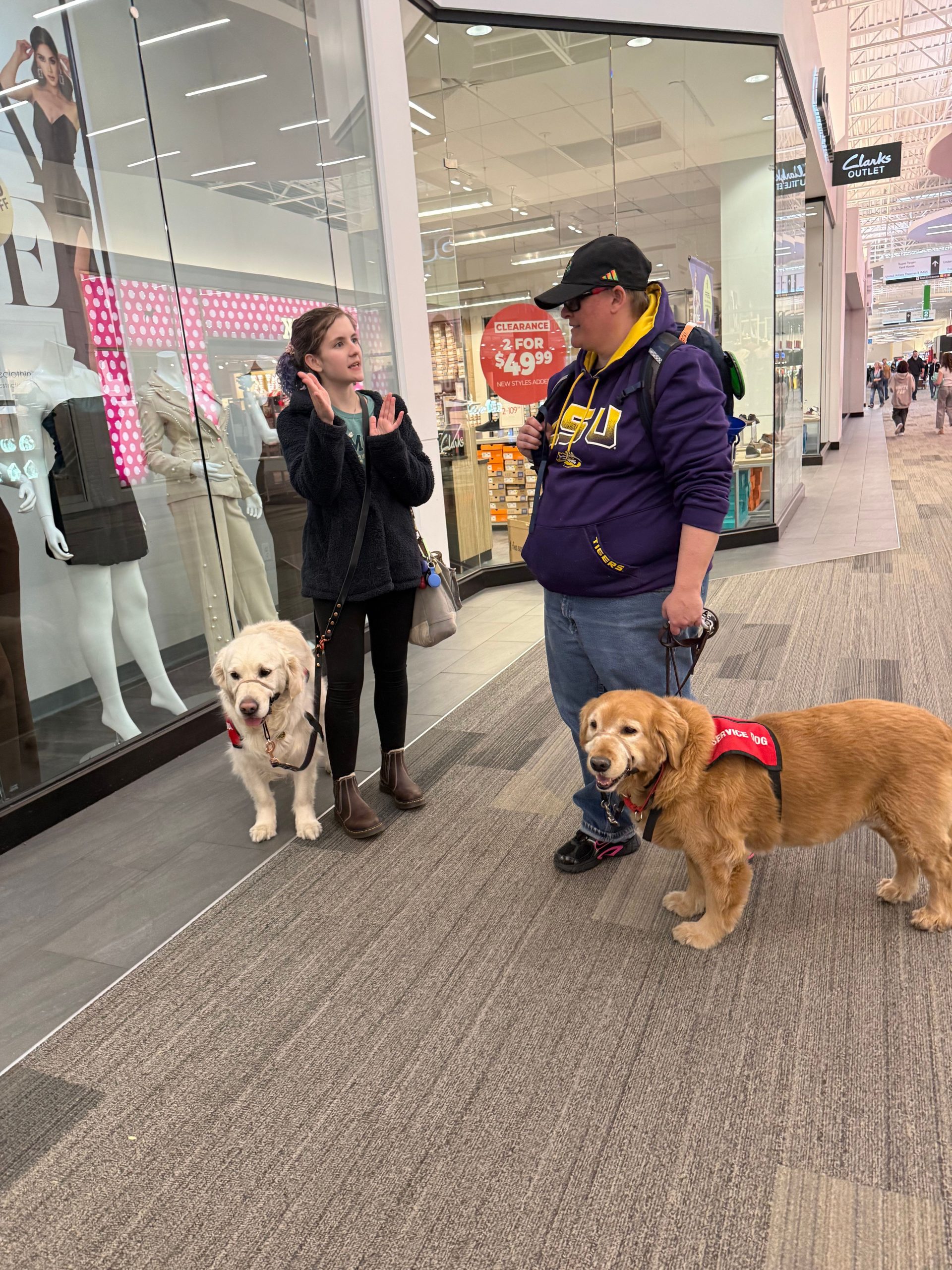
We train in public — grocery stores, movie theaters, RTD transit, restaurants, Rockies games — because public access is part of real life. When the community sees well-trained teams working confidently, perceptions shift.
People move from skepticism to understanding.
From awkwardness to ease.
From fear to respect.
That ripple effect is why we call it the Domino Effect.
⸻
3. We Reduce Conflict Through Education
In addition to training teams, we deliver service animal law education to:
• Law enforcement
• Attorneys
• Animal control
• Housing providers
• National businesses
We teach ADA, housing law, Colorado law, and most importantly: behavior standards. Our message is simple — “You can’t fake behavior.”
When businesses understand the law and handlers understand their responsibilities, conflict decreases. That reduces discrimination, lawsuits, and trauma for disabled individuals.
⸻
4. We Build Long-Term Community, Not One-Time Placements
Many programs place a dog and step away. We provide:
• Multi-year training support
• Alumni programming
• Continued education
• Real-world outings
• Crisis support when issues arise
We don’t just train dogs. We build sustainable teams.
⸻
5. We Institutionalize a Legacy of Inclusion
Domino Service Dogs was inspired by my daughter, Caitlin Tyra Brady, who lived with complex disabilities including a traumatic brain injury and spinal cord injury. I watched how a service dog restored her social connection and expanded her world.
Her experience became our model: one well-trained team changes a classroom, a workplace, a family, and ultimately a community.
That’s social impact.
Not just dogs.
Not just access.
But a measurable shift in how disability is understood, supported, and included.
And once you see that ripple effect in motion — you realize it doesn’t stop with one team.
It keeps going.

Can you give our readers an introduction to your business? Maybe you can share a bit about what you do and what sets you apart from others?
⸻
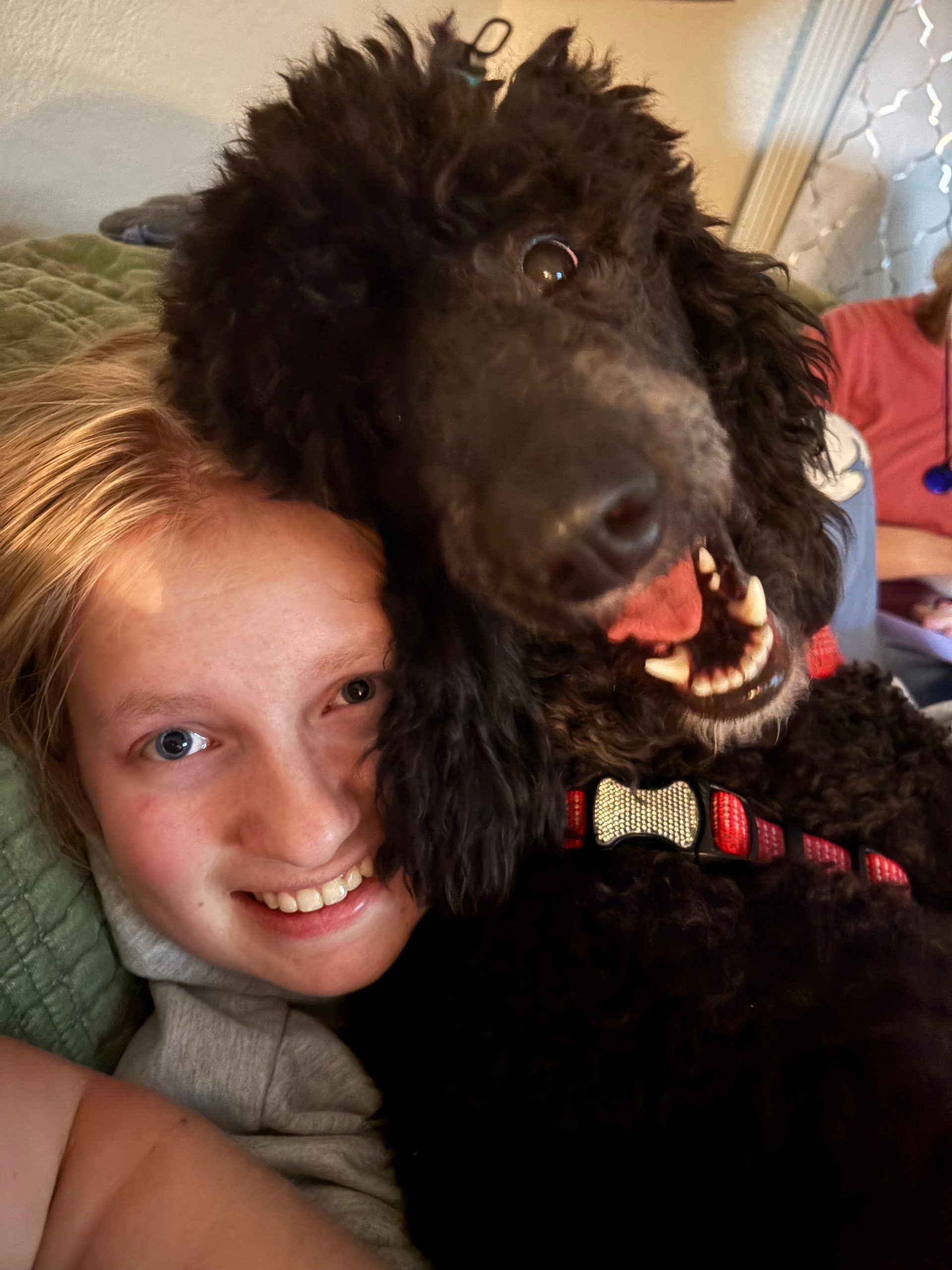
As the Executive Director of Domino Service Dogs, I lead an innovative, owner-trained service dog program based in Lakewood, Colorado. Our organization empowers people with disabilities to train their own service dogs through ethical, evidence-based instruction and long-term community support.
Unlike traditional models that place fully trained dogs at a high upfront cost, we work alongside our clients over a two-year structured program that builds skill, confidence, and independence. Our teams train in real-world environments — grocery stores, public transit, theaters, workplaces — because public access is part of everyday life. We believe independence isn’t delivered; it’s built.
In addition to hands-on training, we provide service animal law education to businesses, housing providers, law enforcement, and attorneys. Clear understanding of ADA, housing, and Colorado law reduces conflict and protects both disabled handlers and the broader community.
Domino Service Dogs was founded after witnessing firsthand how a service dog transformed the life of my daughter, Caitlin Tyra Brady, who lived with a traumatic brain injury and spinal cord injury. That experience shaped our philosophy: one well-trained team creates a ripple effect that impacts families, classrooms, workplaces, and entire communities.
Today, our work is about more than dogs. It’s about breaking down barriers to service dog ownership and building sustainable systems of support that honor dignity, autonomy, and inclusion.
If you had a friend visiting you, what are some of the local spots you’d want to take them around to?
Day 1: Belmar & Lakewood Roots
We’d start at Belmar — coffee, a walk through the shops, maybe a stop at the Lakewood Cultural Center. Belmar Park is where you can breathe and remember you’re near the mountains.
I’d tell them stories about early DSD meetings, client graduations, and the small community gatherings that helped this organization take root.
Dinner somewhere relaxed and local. Nothing flashy — just Colorado casual.
⸻
Day 2: Red Rocks & Morrison
Morning at Red Rocks Amphitheatre. Even if there’s no concert, walking the amphitheater and hiking the trails is grounding. It’s one of those places that reminds you how small you are — in a good way.
Lunch in Morrison. Slow. Patio if the weather cooperates.
⸻
Day 3: Downtown Denver Energy
We’d wander through Union Station, grab coffee, and people-watch. LoDo has that mix of old brick and new energy.
If the timing was right, we’d catch a game at Coors Field. Rockies games have become part of our alumni outings — watching service dog teams navigate crowds confidently is one of my favorite “Domino Effect” moments.
Dinner in Larimer Square. Lights on. City alive.
⸻
Day 4: Golden & Clear Creek
Golden feels like a postcard. We’d walk along Clear Creek, maybe drive up Lookout Mountain for the view.
It’s small-town Colorado five minutes from everything.
⸻
Day 5: Boulder Day Trip
Pearl Street. Street performers. The Flatirons in the background.
A hike at Chautauqua if we’re feeling ambitious — or just sitting on a bench and talking about life.
⸻
Day 6: Olde Town Arvada
Olde Town Arvada has charm without trying too hard. Coffee, small shops, maybe catching the light rail just for the fun of it.
DSD has trained on RTD lines — so transit here isn’t just transit to me. It’s independence in motion.
⸻
Day 7: Slow Sunday in the Foothills
We’d end the week quietly. A scenic drive west toward Evergreen. A long conversation. Space to reflect.
⸻
What makes Denver special to me isn’t just the scenery — though the mountains help. It’s the balance:
Urban but not overwhelming.
Accessible but adventurous.
Grounded but ambitious.
And woven through all of it are the people — the volunteers, the alumni teams, the families, the business owners who learned service animal law so their spaces could be welcoming.
That’s my Denver.
Who else deserves some credit and recognition?
I love this question — because no one builds something like Domino Service Dogs alone.
First and always, my shoutout goes to my daughter, Caitlin Tyra Brady.
She didn’t just inspire the name. She inspired the model. Watching her live with a traumatic brain injury and spinal cord injury changed how I understood disability, access, and dignity. Her service dog restored connection in ways no therapy or system ever could. Caitlin taught me that independence isn’t about doing everything alone — it’s about having the right support. Everything we’ve built grows out of that truth.
Second, the disability community itself deserves enormous credit.
The families who trusted us early on.
The handlers who were willing to try an owner-trained model when it wasn’t the norm.
The advocates who corrected me, challenged me, and helped me grow.
Some stayed for the long haul. Some moved on. All of them shaped the organization. Community feedback — especially from people who live this reality every day — made Domino Service Dogs better.
I also want to recognize the mentors who strengthened our training philosophy. Learning from leaders in positive reinforcement and ethical, evidence-based training reshaped how we operate. The science matters. The ethics matter. And those teachers helped us build something responsible and credible.
And then there’s my team.
Our trainers, volunteers, board members, puppy raisers, and alumni families. They show up in snowstorms, in grocery stores, at RTD stations, at movie theaters, at Rockies games. They handle public access challenges with grace. They represent what we stand for in the real world.
Finally, I want to acknowledge the people who believed in me personally — especially when I wasn’t sure I was capable. As a person with a traumatic brain injury myself, and as a mother who has navigated unimaginable loss, there were moments I doubted my ability to carry this work forward. The disability community showed patience as I grew into the role of executive director. That patience matters more than people know.
If this is a domino effect story, then the truth is simple:
I may have started the organization.
But it was built — and continues to be sustained — by a community.
Website: https://dominoservicedogs.com/
Instagram: @dominoservicedogs
Facebook: https://www.facebook.com/share/1AXtZe3Ffn/?mibextid=wwXIfr
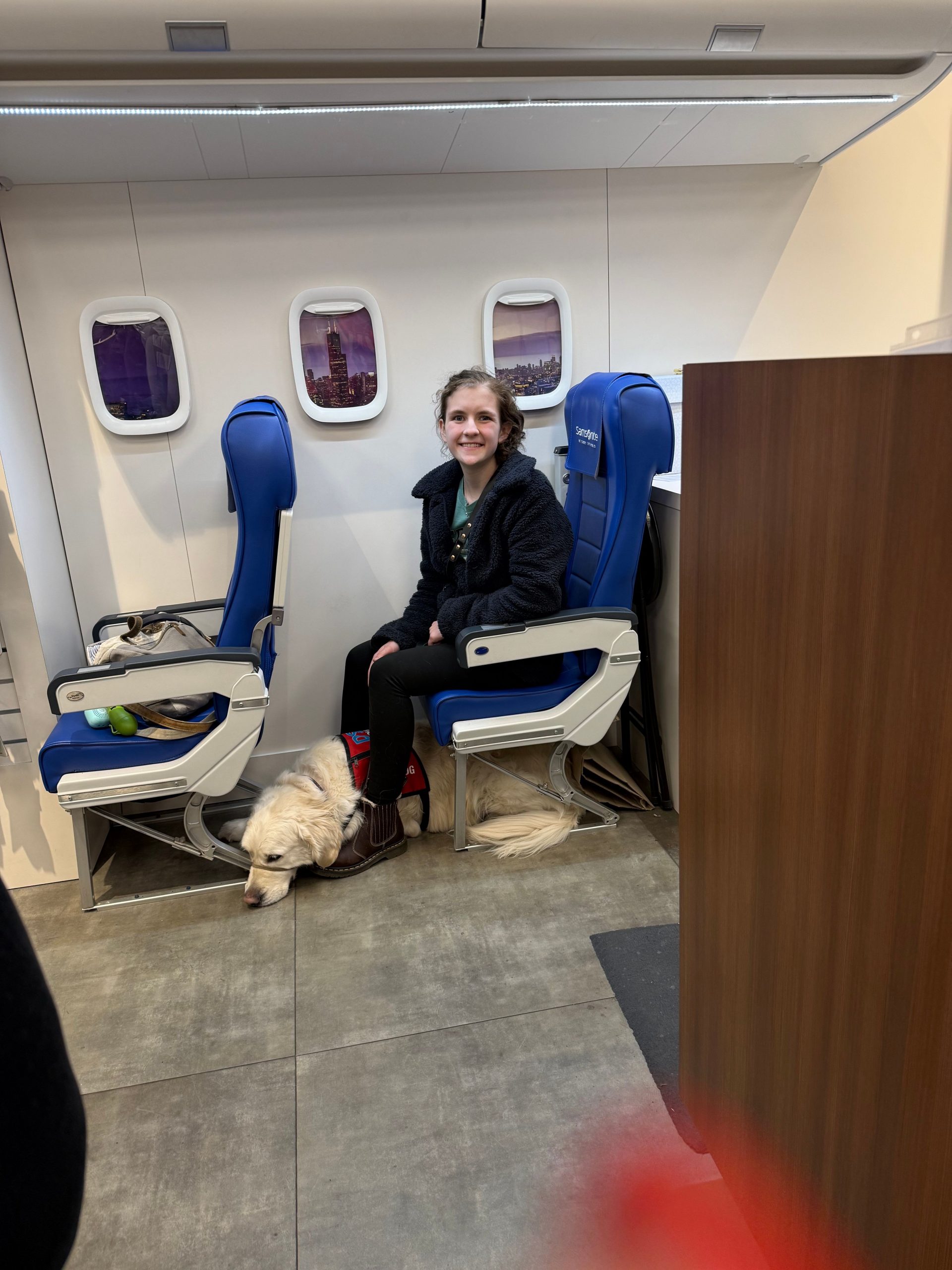

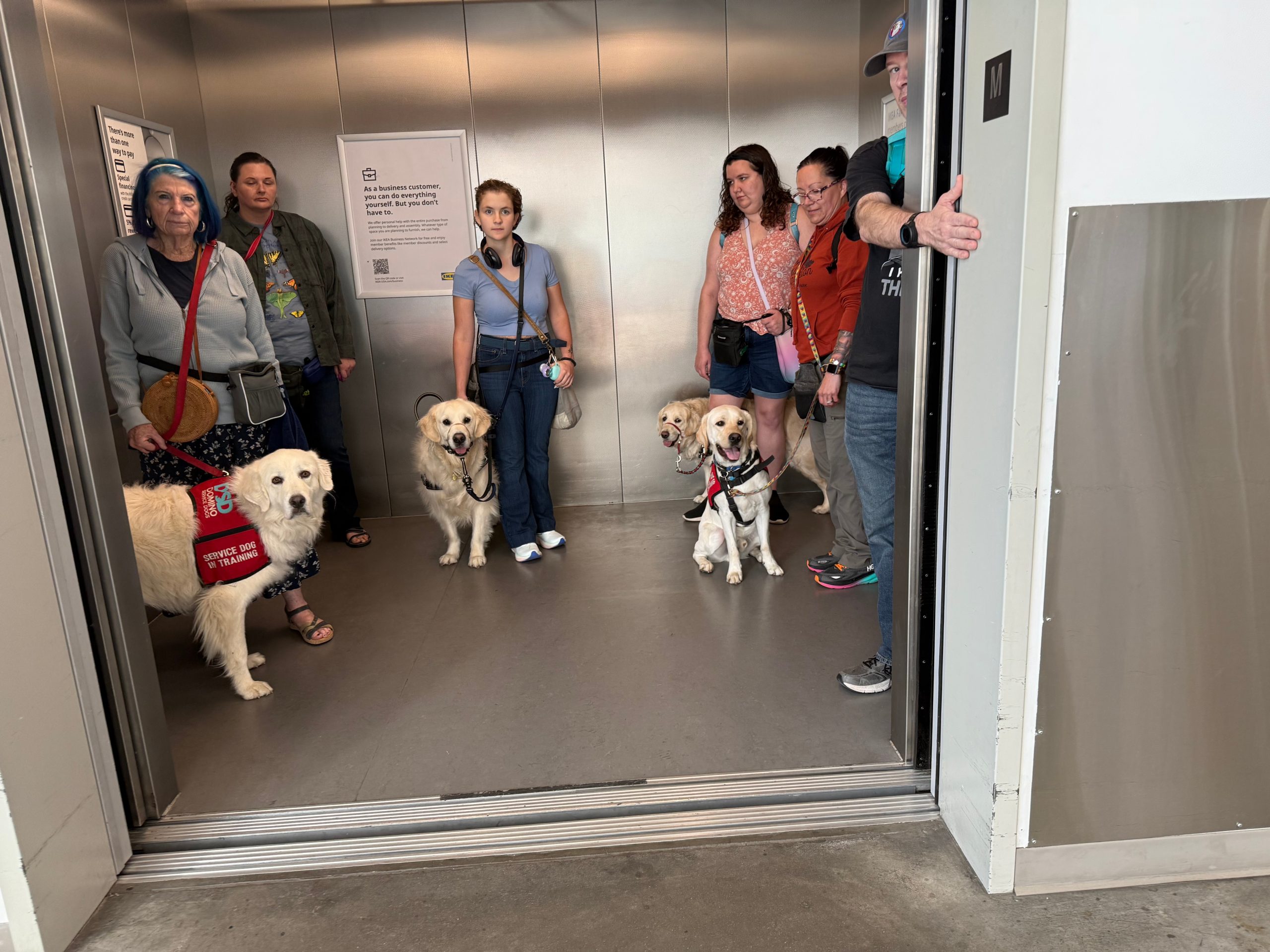
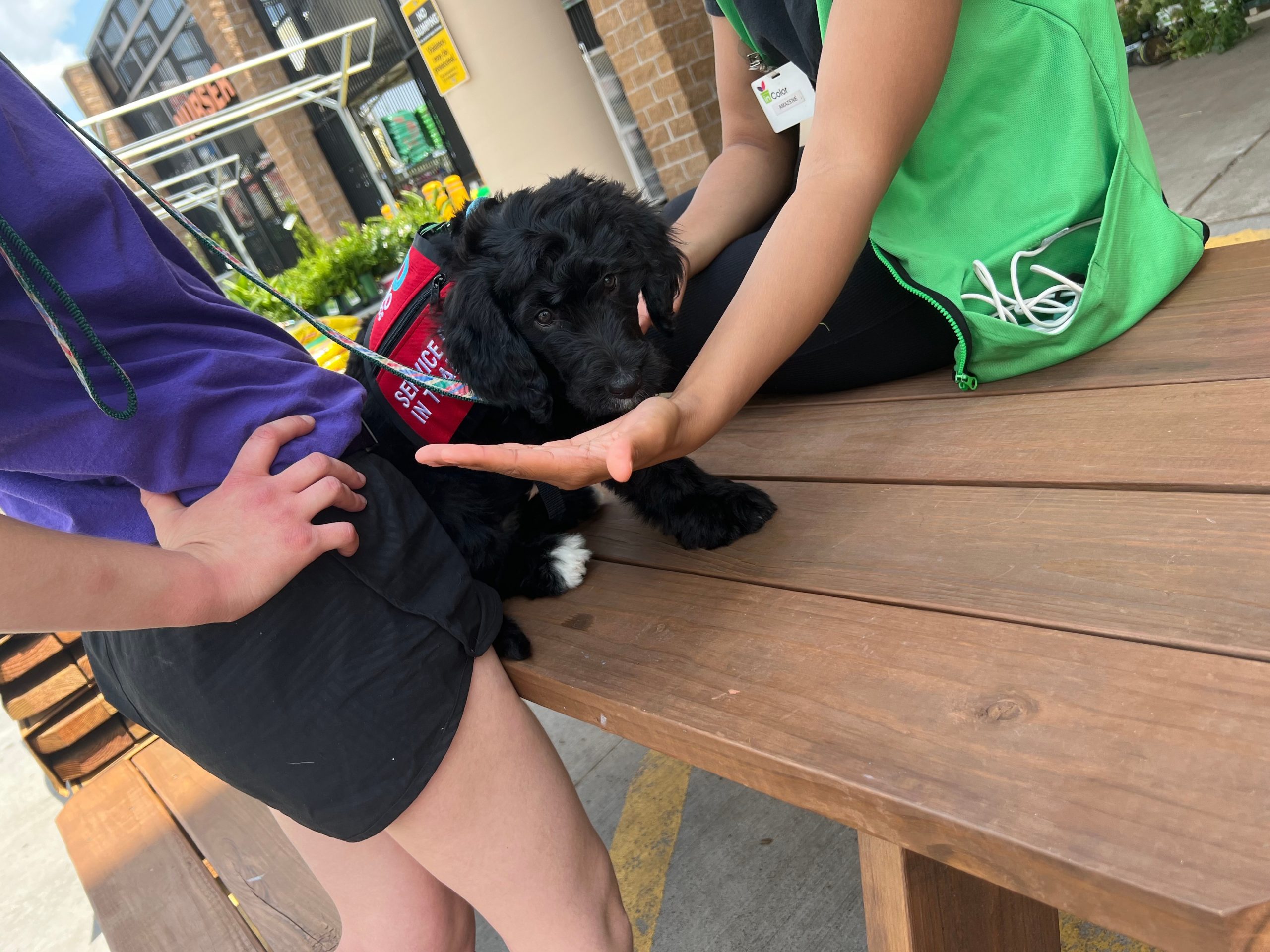
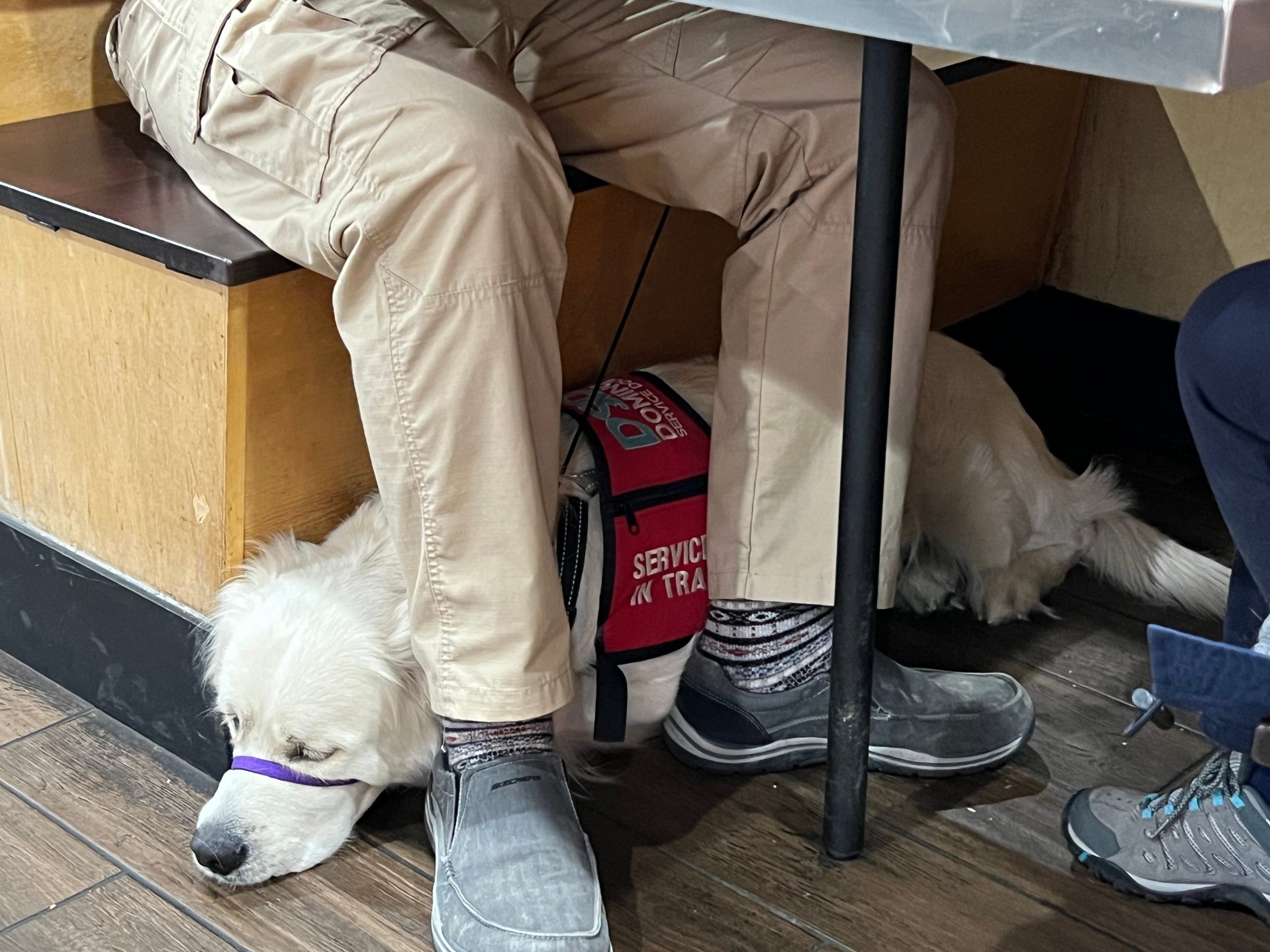

Image Credits
Tammy Matzke
Heidi Guist
Barbara Henry