Meet Beret Strong | Documentary filmmaker and writer

We had the good fortune of connecting with Beret Strong and we’ve shared our conversation below.
Hi Beret, we’d love to hear about how you approach risk and risk-taking.
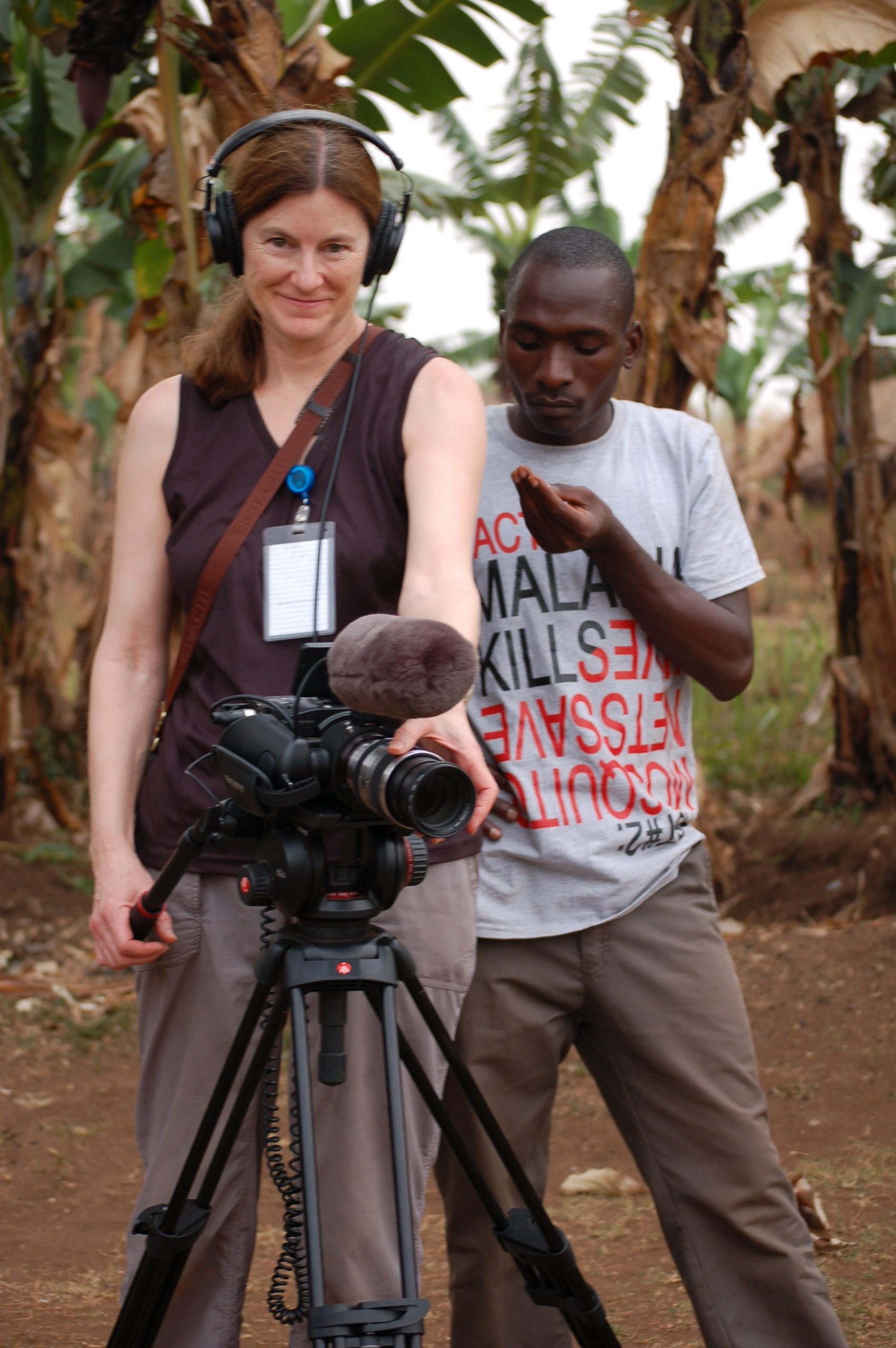
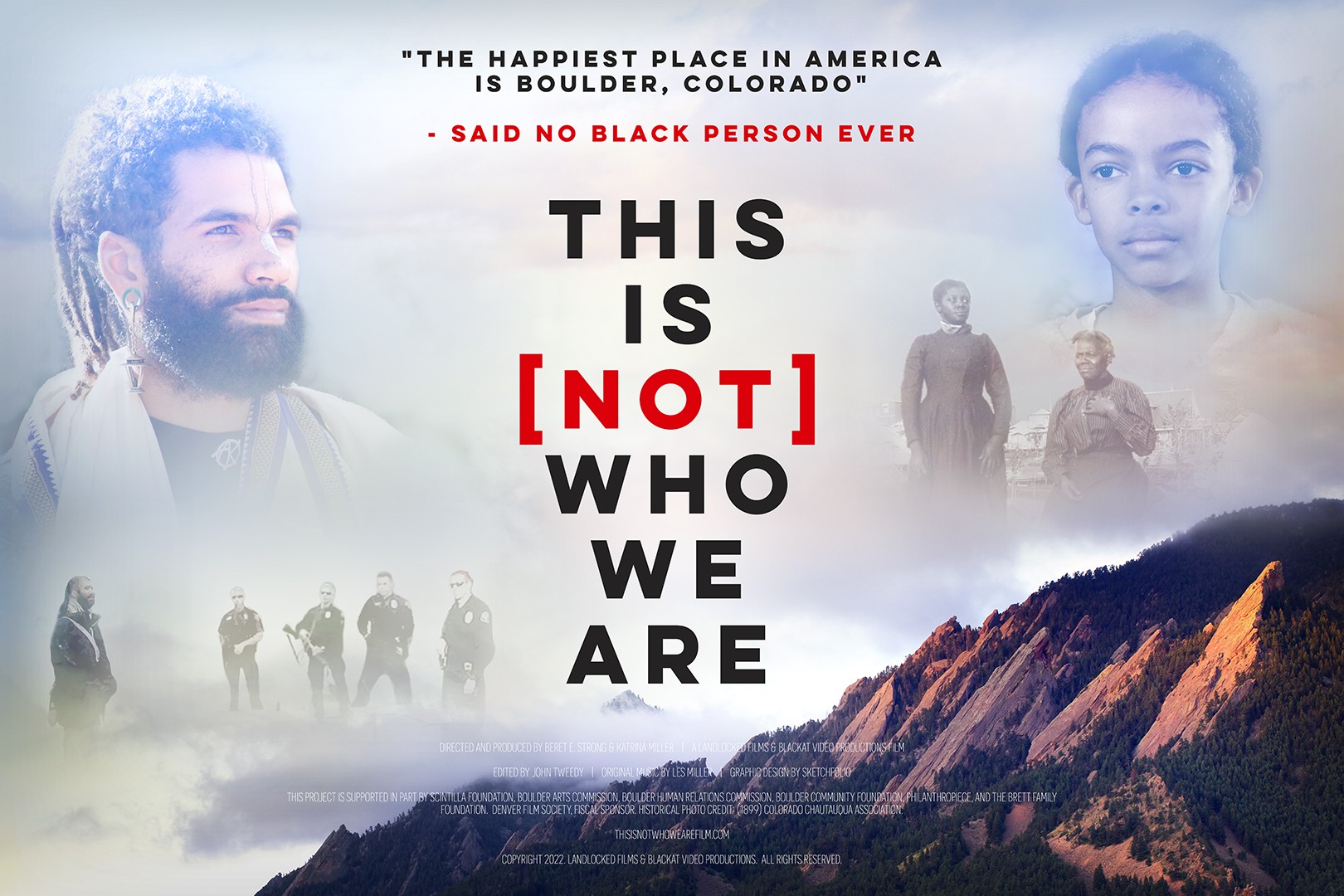
I believe that risk taking is how the best things happen. In my documentary filmmaking career, I created or responded to opportunities because of being in a given place or time. Many things I did were not planned — I just responded to what showed up. It was like watching a slow train roll by and deciding to run and jump on. For instance, I ended up making a film about the battle of Iwo Jima because I was asked to volunteer on a project 50 years after the battle. I was not interested in the topic until I interviewed veterans and trudged up the thick black sand of the Iwo Jima beach. I joined some Buddhist pilgrims going to Hiroshima for the 50th commemoration of the atomic bombing. Incredible numbers of paper cranes made by schoolchildren! Years later, I volunteered to advise on a film about refugee girls in East Africa, and that led to paid work helping make an ambitious film. It is a luxury to be a volunteer and a traveler, but I have found there are many rewards, both paid and unpaid, that arise from being helpful or generous. I do things because of my curiosity, values, and passion. There are always gifts of friendship, work relationships, and learning. The risk with many creative activities is that they might not succeed. I’ve certainly made films that were failures in one way or another. You can’t know how the story will work out when you start something related to documenting real life. Or you don’t think enough about your audience before you start. Or you fail to market what you made. On the other hand, amazing things do happen. We started a film about racism in Boulder, Colorado, and history literally transformed it while we were making it! This is [Not] Who We Are, which I made with Katrina Miller and John Tweedy, turned into a film that has had over a hundred public screenings, is on PBS stations around the country, and has won numerous awards. Most important, it has helped bring awareness to the Black experience in Boulder County. Right now I’m working on a book about public health and medicine, and I’m concerned that the combination of Covid-19 and our current governmental changes may doom my hopes for it. I’ll be sad if that happens, but I won’t regret my effort or what I learned. I believe in taking risks because that’s when the most amazing things happen. I also have a thought about sinking my ego, because if we’re motivated by the idea of prestige, then many of us won’t even take a leap of faith. Why kill creativity with fear?
Let’s talk shop? Tell us more about your career, what can you share with our community?
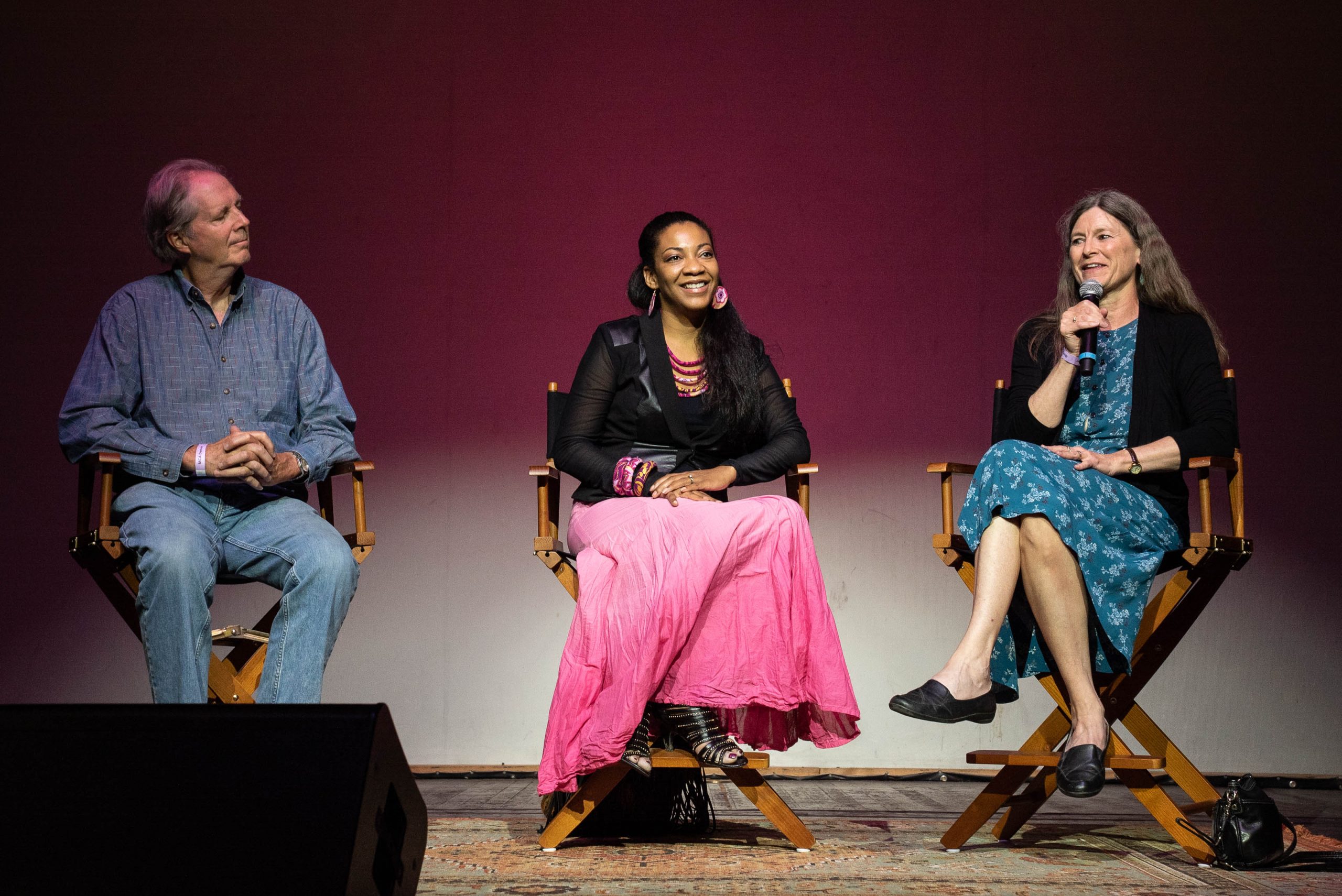
I mainly work with my husband John Tweedy in making documentary films. We partner with others as well, depending on the film. It’s a team sport because you need music, archival imagery, graphic design, editing, videography, and more. I’m proud of the films we have made, including those shot in Latin America, the Pacific Islands, and Africa. I’m especially proud of our social justice work on behalf of people, including children, who are dealing with disability, racism, neurodiversity, hard colonial histories, economic vulnerability, and more. What’s special about our artistic style is its lyricism. We were both English majors at CU Boulder long ago and bonded over a love of language and literature. The lyricism comes from my husband’s musical sense and my past history as a poet. He lays down a music track and builds film scenes with that as a base. We see the beauty in images we capture or find, and we weave them rhythmically into stories that are moving. As an editor who mentored us once said, you want to make your viewer cry. Well, not always, but sometimes. Whatever else happens, you hope your viewer walks away from your film changed. You hope they remember the film months or years later because it moved them or taught them something they haven’t forgotten.
If you had a friend visiting you, what are some of the local spots you’d want to take them around to?
My best friend lives right here, so I don’t need to show her the best time ever. But what I would do if someone was visiting from afar is take them to the high country – to the Indian Peaks Wilderness area and the log cabin that my grandparents built nearly a century ago. I’d give them a Rocky Mountain wilderness experience, and we’d visit little old gold mining towns in the mountains. And we should go to a hot springs, too, don’t you think? We could also come down to the plains and look at beautiful old houses, the Dushanbe teahouse in Boulder, and other local places. We could go to Colorado history museums and look at old photographs. If it were summer, I’d take them to the Central City Opera for a matinee. When we weren’t listening to opera, I’d encourage them to listen to the sound of the breeze in the aspen trees.
The Shoutout series is all about recognizing that our success and where we are in life is at least somewhat thanks to the efforts, support, mentorship, love and encouragement of others. So is there someone that you want to dedicate your shoutout to?
My shout out is to the documentary filmmaking community in the U.S. and internationally. A lot of people help one another without expecting anything in return because it’s that sort of community. We’re into the work because we care about telling stories, sharing the voices of people who need to be heard, and creating filmic art that is a gorgeous weaving of images, sound, and ideas. When I was starting out – and I did not go to film school – I was mentored (for free!) by more experienced people who were kind, committed, and generous. I try to support others who are more newly walking the path of learning indie filmmaking. Sometimes money is a killer of relationships. It’s okay to be in friendly competition (after all, funding is scarce, film festivals are hard to get into, we all want awards for our work), but mutual support and respect are what advance our art form in the world.
Website: www.landlockedfilms.com (updated site will be done in a few weeks)
Other: Recent film: www.thisisnotwhowearefilm.com
Image Credits
MCA Denver, photographed by Glenn Ross


