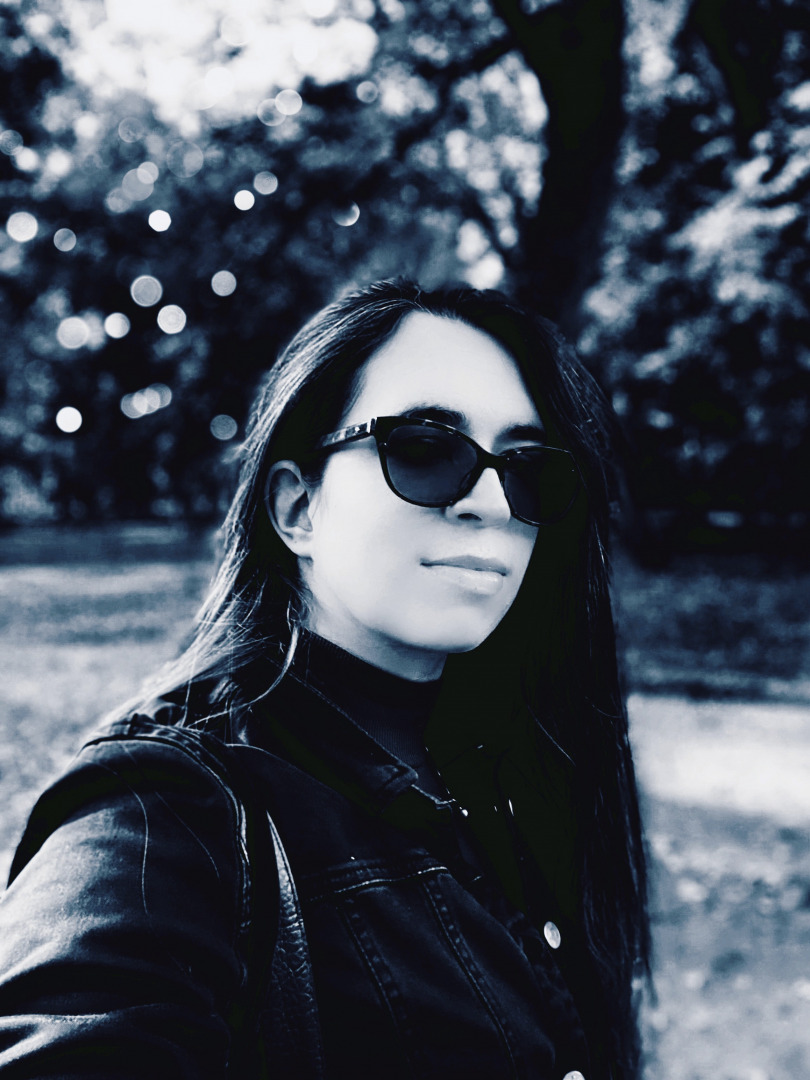
Meet Blair Mueller | CVD Advocate, Writer, Blogger
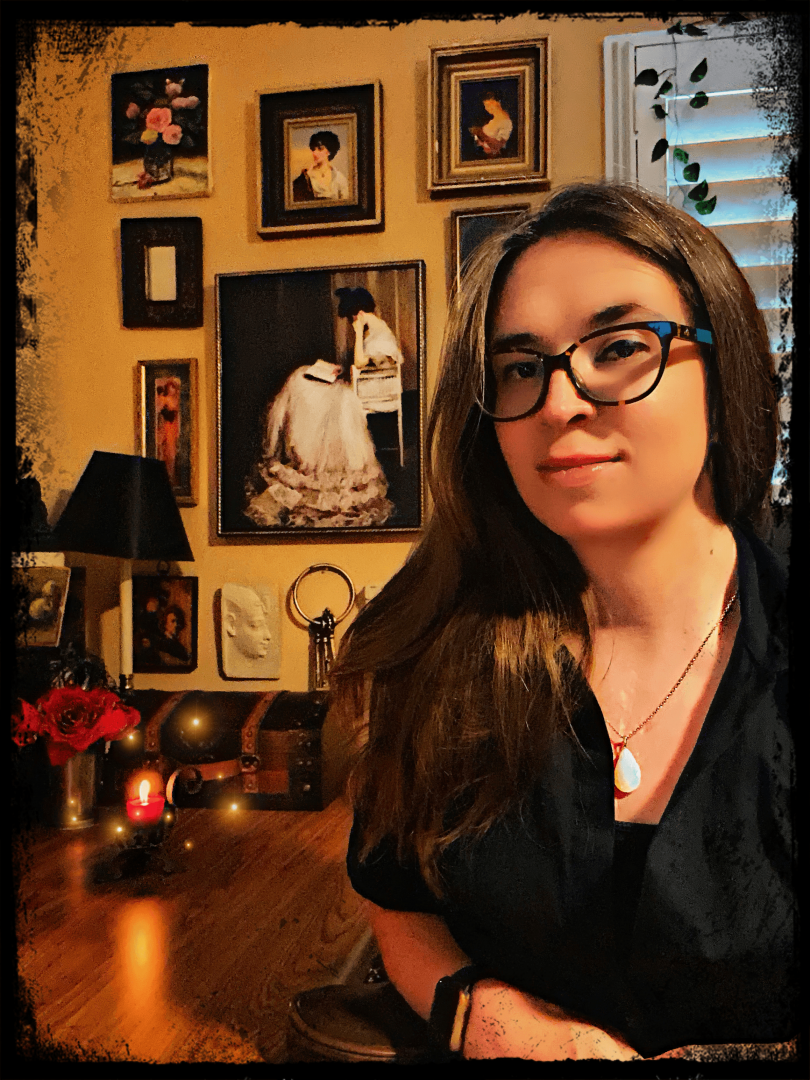

We had the good fortune of connecting with Blair Mueller and we’ve shared our conversation below.
Hi Blair, we’d love to hear more about how you thought about starting your own business?
I began The-Ever-Ticking-Heart in May of 2024 when I realized that my critical congenital heart disease (CCHD) and all the complications in my life that came along with it were something I could no longer evade, try as I might. Despite this illness, I successfully lived, studied, worked, and traveled abroad in Europe and Asia, earning two Bachelor’s degrees, two minor degrees, five certifications, and a Master’s degree. Yet, I recently came to understand that I spent my life reluctantly adhering to the requirements of my illness purely in the interest of survival. All that effort was spent actively avoiding facing the one thing I should not be ashamed of. Instead, by creating The-Ever-Ticking-Heart, I finally embraced my illness. By sharing my experiences through both an academic and creative outlet and my own unique love of writing, history, and travel, I hope to bring understanding to others with cardiovascular disease (CVD) and other forms of disability.
My love of writing, history, and travel has led me far in life despite my medical requirements. My experience of having a critical congenital cardiovascular condition is not unique. However, the impact it has had on my life and what I have done as a result is. Therefore, I started this brand as a means of sharing my personal experiences of traveling the world with a pacemaker and two mechanical heart valves as a means of offering hope and a relatable mirror to the exceptional number of people who have grown up with congenital heart disease (CHD). As the article “Data and Statistics” states, “heart defects are the most common types of birth defects” (CDC, 2024). These types of congenital “heart defects affect nearly 1% of―or about 40,000―births per year in the United States” (CDC, 2024). And of that 1% of babies born with CHD, “about 1 in 4 babies with a heart defect have a critical heart defect” (CDC, 2024). I am one of these children who had a critical congenital heart defect, who needed to have surgical intervention within the first year of life to address this issue and save my life.
However, children born with CVD are a minority among the broader spectrum with this illness, as the majority of people acquire it later in life. According to the article “Cardiovascular Disease: Symptoms, Types, Causes, Management & Prevention,” by the Cleveland Clinic, “Cardiovascular disease is the leading cause of death worldwide and in the U.S. Almost half of adults in the U.S. have some form of cardiovascular disease. It affects people of all ages, sexes, ethnicities, and socioeconomic levels” (Cleveland Clinic, 2022). I hope that my story and the message of The-Ever-Ticking-Heart are relatable to a large portion of the population, be they young or old. CVD itself is not rare, but each experience is unique. In starting The-Ever-Ticking-Heart, I wanted to share my story to help others feel less isolated by their CVD and see an example of someone accepting and respecting the balance between health and reality in order to achieve their goals. This is something that took me years to learn and accept. Looking back, I wish this kind of content and messaging was something I had seen as a child. It would have helped me feel less alone and let me know I could simultaneously pursue my dreams and accommodate the requirements of my illness.
Unfortunately, partially as a result of this type of work and understanding not being available, I felt very isolated growing up with CVD. I had to stay inside to prevent bruising, thanks to my medication for my heart valves; my asthma was a problem, my short arm made me physically weaker than others, and I was generally a frail child. As a result, I spent most of my recess time safely in the library at a young age.
The isolation truly set in around kindergarten after my fourth open heart surgery and the insertion of two mechanical heart valves. My activities were severely limited, and I began reading books and writing stories as a means of coping with my condition. It was at this time that I fell in love with stories.
However, the more I read, the more I realized early on that there were no characters like me in modern literature. If any disability was shown, it was for the individual to overcome like a dragon guarding a princess, and the happiness was just out of reach. Even back then, I wanted to write stories to fix this lack of representation of people like me in literature. Not just with a short arm. Not just with a heart condition, a pacemaker, or mechanical heart valves. Not with asthma. But to see people living with disability and not fighting to conquer it, but living with it despite the beliefs, biases, and expectations of the outside world.
Ever since then, there has been nothing beating more loudly in my chest than the will to write. Unfortunately, I was told at a very early age that I would need to put that on hold and focus on a more “valuable” career. This is directly due to a mix of both the direness and permanence of my condition. This ideal occupation would provide stable health insurance to cover my medical needs, which would extend my life first, and my own personal wants for that life would be placed second. This was because the primary goal was to extend my life as long as possible; only after that was secured could I do what I truly wanted. This is often a choice faced by those with medical conditions where the needs of the illness outweigh the individual’s ambitions and desires.
Therefore, my aspirations for being a writer were put on the back burner to achieve a longer life, as if my writing was not a part of who I am. It took me a long time to accept and realize that I wrote not despite my medical condition but ultimately because of it.
As I read and studied to pursue this career, I discovered a kind of kinship with history and the delicacy of artifacts and old things. Often, antiquities that were discarded and overlooked due to stigma or misunderstanding suddenly became clear and valued by clarifying their purpose and place within a culture. Therefore, even though something is deemed worthless, it still possesses beauty. Like with people, there is an inherent value in history and a need to protect the stories of the past, just as one protects lives. This love of beauty, history, and the looming awareness that I needed a way not just to support myself but specifically to address my medical condition, led me to spend the next decade traveling the world in search of a career in museology. Despite pursuing a field I was passionate about, I was motivated out of fear of my condition and the need to obtain stable health insurance. I felt unable to accept and embrace my condition, and view myself holistically.
In search of this “valuable” and “safe” career path, I have spent the past two and a half decades studying, traveling, and working in Colorado, China and Germany. I have earned two Bachelor’s degrees in Anthropology and Asian Studies, two minor degrees in History and Chinese Language, and hold five certifications. I have recently completed my Master’s Degree in World Heritage Studies. Unfortunately, the results of my Master’s thesis suggest a potential medical reason for my inability to pursue a career in a museum, the career I had always thought I wanted. However, I realized that I had mixed up what I wanted with what my medical condition demanded.
In a way, I am grateful for the extended experience in search of the medical equivalent of the holy grail — reliable medical insurance in a field I loved — even if it did not end as I had intended. I inadvertently proved that someone with my medical history and a “ticking heart” from my mechanical heart valves is capable of creating a unique life, despite all odds.
Another reason that prompted me to begin The-Ever-Ticking-Heart came to me two years ago when I realized how many forms CVD takes, and, therefore, the many ways it impacts the lives of those it touches.
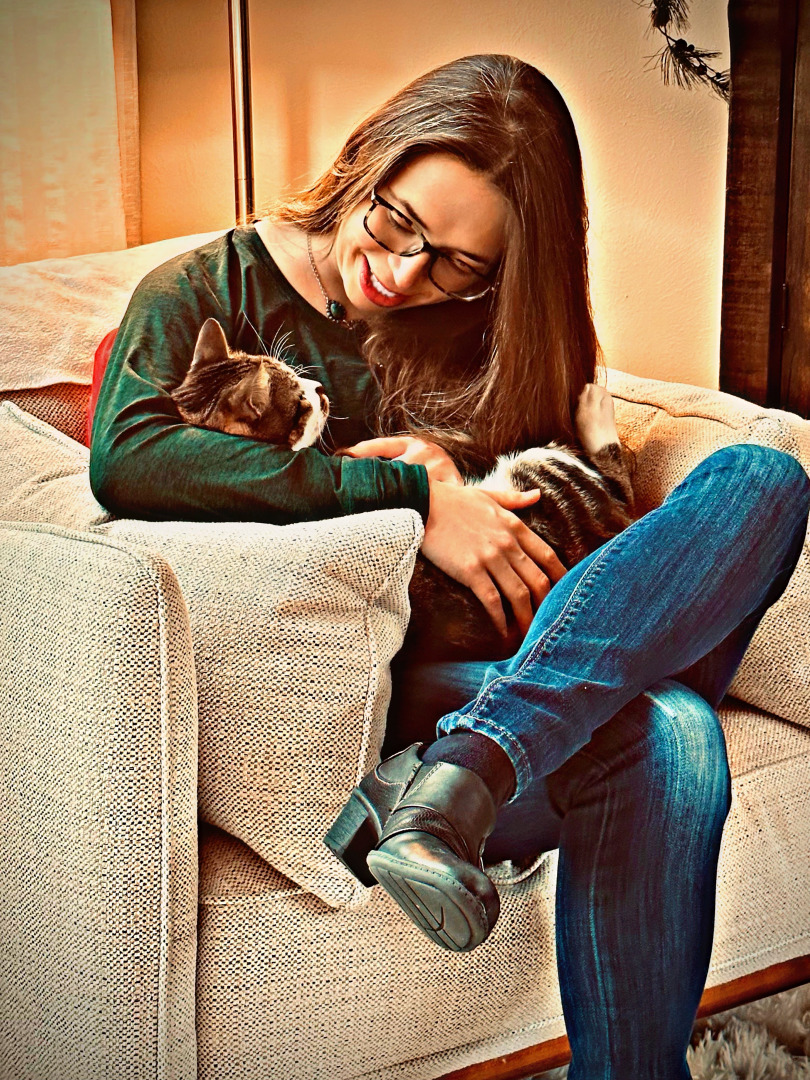
It all began while I was working in China to enhance my resume and prepare for my Master’s degree, in pursuit of my ultimate goal. In 2017, I found a little stray kitten, or rather, he found me. This tiny little ball of fluff was crying in a cardboard box on a city street. Without a moment’s hesitation, I adopted him, and for two years, we lived in Shenzhen, China. I originally named him “My Love” since I couldn’t decide on a name, but that eventually evolved into “Milo” for convenience.
When it was time for me to return to Colorado, I couldn’t bear the idea of being parted from my little angel, so I undertook the process of bringing him home with me to the USA. We lived happily in Colorado for three years. Upon arrival, I learned that my large, intensely willful, and protective stray cat was a very rare male tortoiseshell, which made him even more unique than I had previously realized.
Unfortunately, Milo’s unique genetic makeup came at a cost. Tragically, while I was gone on a trip, he was innocently brought up to the Rocky Mountains for a family vacation, and he almost immediately passed away as he was unable to adjust to the altitude. Growing up, I also had trouble breathing at high elevation, and it turned out Milo had undiagnosed critical congenital cardiovascular issues just like me. However, no one knew this because his strength masked his condition.
Even though he passed away two years ago, his tragic early death still weighs heavily on my heart. My journey with CVD, combined with his, and the recent revelations from my Master’s thesis inspired me to utilize the knowledge, passions, and talents I had honed over the years to begin The-Ever-Ticking Heart. In addition to raising awareness for people with the condition, I believe it is important to recognize how CVD has many forms and touches so many more lives than we realize.
While I took the scenic route to beginning my own business and the life I wanted, I hope to use The-Ever-Ticking-Heart as a means to inform, educate, and entertain people about CVD via my academic and creative writings and videos.
Reference list:
CDC (2024). Data and Statistics. [online] Congenital Heart Defects (CHDs). Available at: https://www.cdc.gov/heart-defects/data/index.html.
Cleveland Clinic (2022). Cardiovascular Disease: Symptoms, Types, Causes, Management & Prevention. [online] Cleveland Clinic. Available at: https://my.clevelandclinic.org/health/diseases/21493-cardiovascular-disease.
Alright, so let’s move onto what keeps you busy professionally?
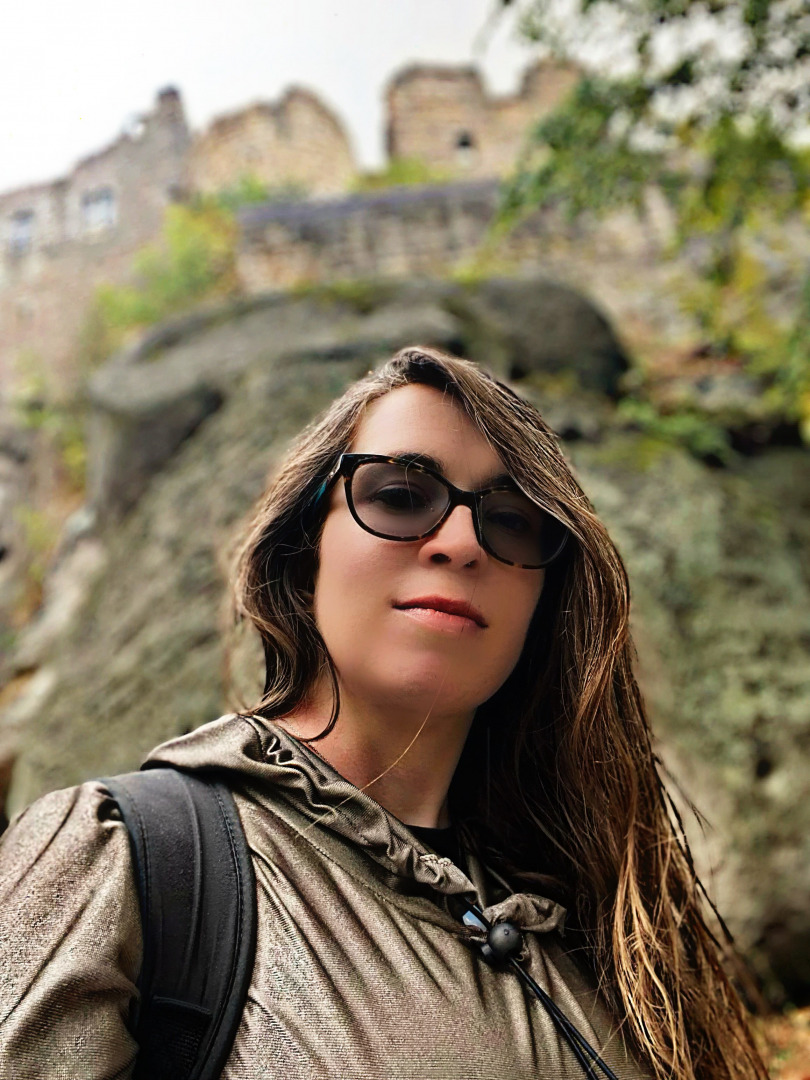
Currently, I am located in Centennial, Colorado, and am working on raising awareness of issues with CVD (cardiovascular disease).
I do this through a combination of methods. These include creating videos for both Instagram and TikTok, writing articles for my website’s blog, and publishing short stories on my Substack. The videos feature unique characters representing pacemakers, CVD, CCHD, asthma, and other aspects of the illness. I can combine the relationship between these elements into a narrative that is both humorous and relatable to the CVD community and other aspects of disability, thereby increasing understanding about it.
These videos draw more attention to my writings, whether they be articles on my blog or stories in my Substack. The articles combine personal experiences with academic research on CVD to raise awareness of the illness’s complexities and the challenges of living with it. In contrast, the short stories and future novels allow me to highlight the darker realities of life, particularly those related to disability, and reveal their beauty. I do this by highlighting the light and dark truths through the genres of historical fiction, dark fantasy, and horror.
Through the videos, articles, and stories, I hope to increase awareness not only of CVD itself, but also of the number of people affected by not only this illness, but also disability in general.
In my experience, living with CVD and other illnesses has always been about maintaining balance, not with one’s health and the medical system, but also between one’s health and one’s dreams. By adhering to both of these needs, both can be achieved.
I came to this conclusion after years of working toward a career in the museum industry, where I hoped to gain health insurance by doing what I loved. To achieve this goal, I have lived in the USA, China, and Germany, and attained multiple degrees and certifications studying cultures, languages, histories, and heritage. However, I found that, due to a particular aspect of my medical condition, I will likely be physically unable to use this knowledge and practice as I intended, to work on-site in a museum.
While this was a disappointment after a lifetime of that goal functioning as my north star, I decided to veer course and use the part of me that was holding me back to my advantage, to embrace what is seen as my weakness and turn it into my strength. By doing this, The-Ever-Ticking-Heart is a platform that enables me to utilize my knowledge, expertise, and experience to raise awareness about CVD and to assist others with disabilities and medical conditions through doing what I have always truly loved.
I will admit that managing CVD, whether in Colorado or abroad, is not an easy task. One must be extra careful of one’s own health while balancing the capacity of the local medical system and then comparing the two to determine the degree of risk. Despite that, I have found my own adventure, although it was undoubtedly, at times, a dangerous one.
Along the way of living in Colorado (USA), China, and Germany with CVD, these experiences taught me that local/regional cultural, social, and medical expectations easily influence the treatment of those with disabilities and medical conditions, sometimes for the worse and sometimes for the better. However, it was through these experiences and study that I have gained an understanding of how and why people with disabilities are treated as they are, which gives me a unique insight into living, traveling, and studying with CVD and disabilities in general on an international scale.
I want the world to understand that CVD is not a death sentence. While it does need to be managed, by acknowledging the reality of one’s illness, one can live a happier life than if one runs from it. By coming to terms with one’s illness, embracing the reality, but not accepting it as a true limitation, one’s presumed weakness becomes one’s strength that nothing and no one can take away from them.
If you had a friend visiting you, what are some of the local spots you’d want to take them around to?
There are a few places I would recommend visiting if my best friend came to Colorado.
For the first few days, we would stay at lower altitudes so my best friend could acclimate before we headed up to the mountains. In the meantime, since I live in Centennial, I would recommend visiting either Land of Sushi or The Melting Pot, as both offer a delectable menu.
However, in terms of interesting places, I would recommend visiting the Denver Art Museum and the History Colorado Center in Denver, along with a local favorite Japanese restaurant called Kokoro, where I have been going for over three decades. Afterwards, I would suggest stopping by The Book Rack, a favorite used bookstore located right next door.
For shopping, I would take her to Park Meadows, as it is a unique shopping center offering a thematic experience that captures the mountain-lodge essence of Colorado.
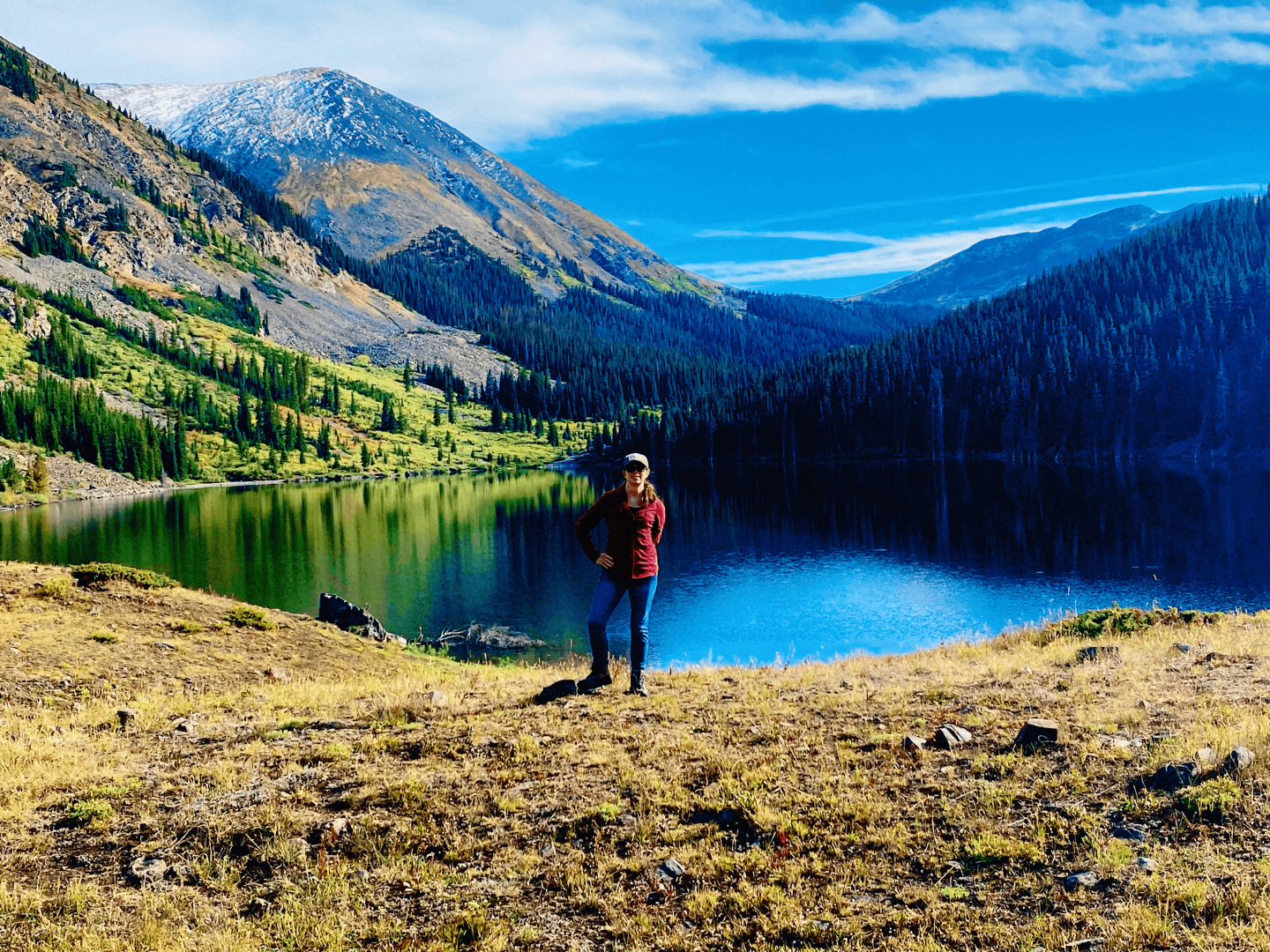
Then, after a few days of acclimating, we would head to the mountains. Of all the mountain towns, I would recommend visiting Breckenridge. This time of year is peaceful compared to winter, but thrumming with outdoor activity. In the summertime, the paths are lined with wildflowers and pine-tree shade. For someone visiting Colorado, the giant wooden sculpture Isak Heartstone, on the Trollstigen Trail, is both a surprise and a lovely retreat.
When in town, I’d recommend stopping by the 9600 Stories – Highest Elevation Bookstore and the Wandering Daisy Shop before stopping by the Rocky Mountain Chocolate Factory for a sweet treat.
Who else deserves some credit and recognition?
I want to attribute my love for culture and travel, which had a large part in sparking The Ever-Ticking Heart, to my college anthropology instructor, Mr. Roger Dewitt.
His lessons had a profound impact on my future. In class, he emphasized the importance of objectively understanding cultures around the world. The way he taught lessons about archeology brought a human touch to what could have been a coldly academic subject. His classes kept my love of the world, and the vibrancy of history and culture, alive.
Furthermore, Mr. Dewitt never treated me differently because of my illness or my short arm. Nor did he ever expect anything less from me. For that, I am forever grateful, as it was he who initially suggested I pursue my Master’s degree.
Even now, a decade after graduation, we still keep in touch to swap stories about our research, history, culture, and archeology.
Website: https://theevertickingheart.com
Instagram: https://www.instagram.com/the_ever_ticking_heart/
Linkedin: https://www.linkedin.com/in/blair-mueller-0097121ab/
Other: TikTok: @the_ever-ticking_heart
Substack: muellerb.substack.com