Meet Herbert Alexander
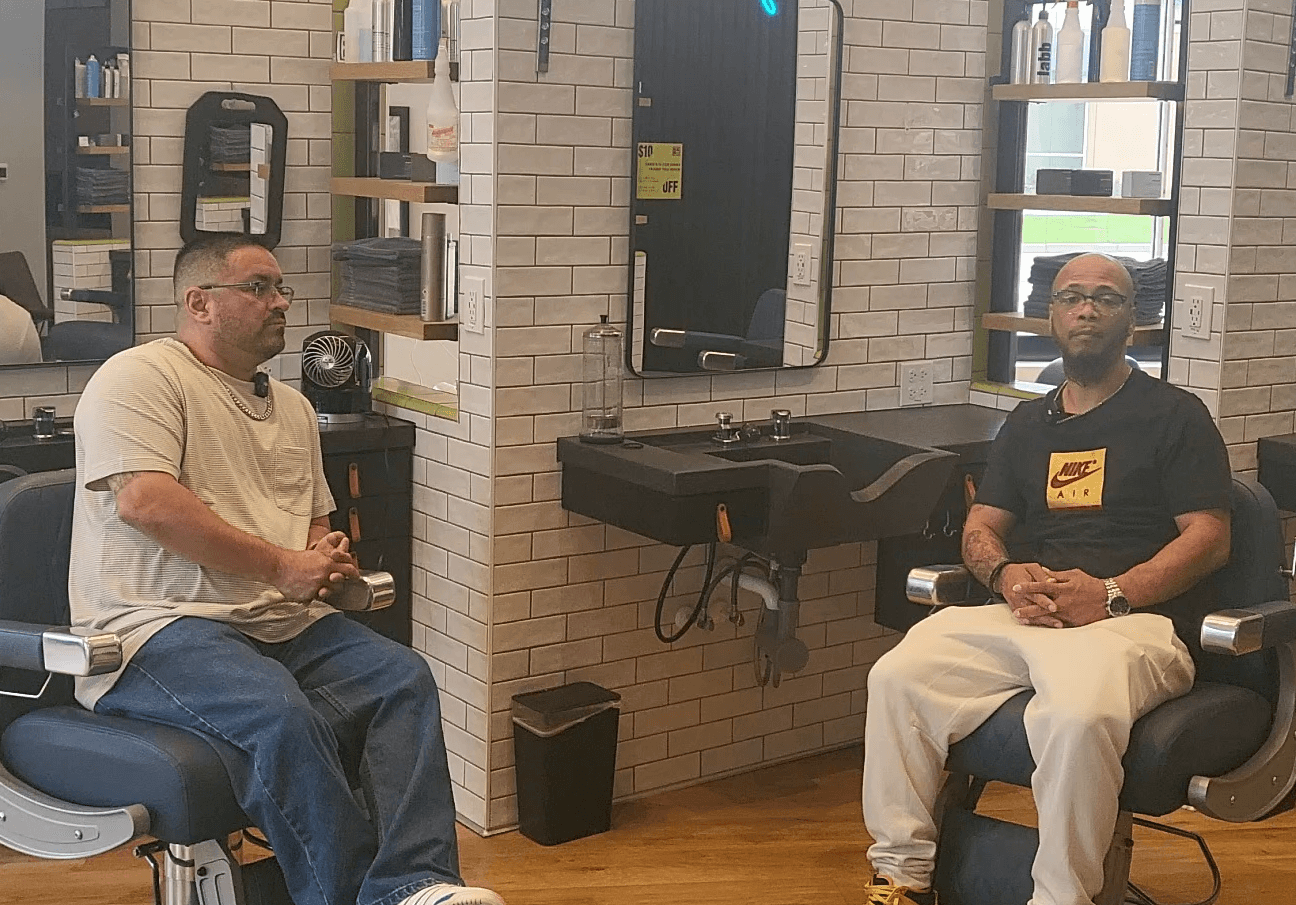

We had the good fortune of connecting with Herbert Alexander and we’ve shared our conversation below.
Hi Herbert, how do you think about risk?
Herbert:
It’s simple for me, because the way i think about risk is this: “No Risk It, No Biscuit.” But at the same time, it was that type of thinking that had me in trouble with the law in the first place. In the past, I risked my life for literally nothing. From selling dope to bank robberies, I lived that lifestyle until the risk no longer paid off. I risked It all, and I lost it all. The state cashed me in for 64 years. So when you ask me about risk, I’d say: you better be willing to lose what you put up. And now, every risk I take is a calculated one. For instance, I took a risk and left a union job with full free benefits at General Motors, to be part of building Colorado Radio For Justice. Not because the pay is better, but because we’re willing to bet that what we have with CRJ is a sure thing. You know what they say: “the greater the risk, the greater the reward.”
Seth:
I believe nothing good in life is obtained by taking the easier, softer way. Taking risks is needed in all aspects of our lives to obtain quality relationships and results. It’s oftentimes intimidating, but having faith in yourself, and in the community you surround yourself with, are key to overcoming challenges.
Ryan:
To me, risk is a place where learning and growth happen. We sometimes say in community-based arts work that we want to create “brave spaces” – rooms and processes where people can feel safe enough to try something new, or a little bit scary, or a bit unknown. That’s risk, to me. If it’s carefully considered and supported, then I think risk pretty often feels worth it.
Can you open up a bit about your work and career? We’re big fans and we’d love for our community to learn more about your work.
Herbert:
Being involved in media is something that always piqued my interest. Now, I have an opportunity to set a standard in our field, which is reporting and telling stories within the realm of the criminal-legal system. And as someone who has experienced and survived the criminal-legal system myself, I feel the stories I tell are from a place of authenticity. There are always negative connotations about people who have felonies on their record or have been jailed… which is crazy, because those stigmas affect these individuals’ chances at decent housing, employment, as well as socially finding their footing. So, what we do at Colorado Radio for Justice is take this broken narrative and repair it, and allow the public to meet and support the great people and personalities behind the crimes or the headlines. On CRJ shows like “One Day & A Wake-Up,” you hear from previously incarcerated individuals sharing their journey after spending years in prison. I’m so proud of how far we have come in a short amount of time. It wasn’t easy and fun at times, but when the final product started hitting the airwaves, it gave us a feeling of accomplishment and excitement and the motivation to keep going.
Seth
I am a tile setter and mosaic artist by trade, alongside my production work and leadership role with Colorado Radio for Justice. I have been setting tile for nearly 20 years, and I thoroughly enjoy my craft! It’s the perfect blend of math, artistic expression, and physical labor. I have been able to incorporate art and mosaics into my installations, which is hopefully where the trajectory of my career keeps heading. Working in radio and podcast production has that same blend of artistic expression, in my opinion…and I really enjoy the sense of community and connectedness that radio has to offer.
Ryan:
I feel so fortunate to get to be in this work with this team. I bring to Colorado Radio for Justice my background in the arts, education, and media production. I studied theater in college; then, my first job out of college was producing audio features and DJing the morning show at a rural community radio station in Alaska. That began my work in audio and broadcasting. I’ve never been incarcerated, myself, and so I view my role in CRJ in a lot of ways as a facilitator. The root of the word ‘facilitate’ translates to ‘make something easy,’ or at least easier; so, I’m here to try to make the process and the organization run as smoothly as possible, and to support system-impacted producers in their storytelling and their learning and their reentry journeys.
Any places to eat or things to do that you can share with our readers? If they have a friend visiting town, what are some spots they could take them to?
Herbert:
These days I’m not out much beyond home and the CRJ studio, but if I had to, it would probably be Benihanas and Cherry Creek Grill.
Seth:
I’m a big fan of Southern Colorado, namely the San Luis Valley. I would take my friend to the Sand Dunes in late May to enjoy the snowmelt from Medano Creek as it floods over the sands. We could follow that up by hiking up to Zapata Falls, which is a beautiful waterfall at the base of Mt. Blanca. There are also many great restaurants where you can get some of the best green chili around!
Ryan:
I’d bring my pal to Buena Vista and Salida. We’d spend some time on the Arkansas River… do some hiking… and then soak in some hot springs. When we were operating our radio station as Inside Wire: Colorado Prison Radio, one of our four prison studios was at Buena Vista Correctional Facility. I felt lucky to get to spend a weekend every month there; I really loved getting to know the area.
The Shoutout series is all about recognizing that our success and where we are in life is at least somewhat thanks to the efforts, support, mentorship, love and encouragement of others. So is there someone that you want to dedicate your shoutout to?
Herbert:
I would like to shout out University of Colorado Denver’s Communications Department for taking interest in our work. They provided us with a space in their Comms Media Lab during the infant stages of CRJ, and it was greatly appreciated – not for just the space, but for the belief in what we were doing. So: Thank you CU Denver!
Ryan:
CRJ wouldn’t exist without the University of Denver Prison Arts Initiative, under whom we started this outfit under the name Inside Wire: Colorado Prison Radio. Along with the leadership of the Colorado Department of Corrections at that time, it was DU PAI’s vision and “yes” that made so much possible, and paved the way for Colorado Radio for Justice to emerge.
Youth on Record is CRJ’s fiscal sponsor, and so much more. The team there has shared space and equipment with us, and regularly shares mentorship and critical feedback with us as we work to grow our nonprofit.
Finally, we have several partner orgs with whom we’re working. To name just a few: Colorado Criminal Justice Reform Coalition; Remerg; and the Gateway Program at Red Rocks Community College.
Seth:
Definitely a shout-out to all the staff from Denver University Prison Arts Initiative, especially Dr. Ashley Hamilton and former Executive Director of the Colorado Department of Corrections Dean Williams. They were pivotal in allowing many art forms into the walls of Colorado prisons, and opened the door to Inside Wire:Colorado Prison Radio.
I’d also like to shout out Ryan Conarro, my colleague here at Colorado Radio for Justice, and former boss at Inside Wire: Colorado Prison Radio…because once the doors were opened, he was able to create the radio station and create many opportunities for people both in and out of prison.
Website: https://Radioforjustice.org
Image Credits
Herbert Alexander