Meet Cameron Lundstrom | CEO and Entrepreneur
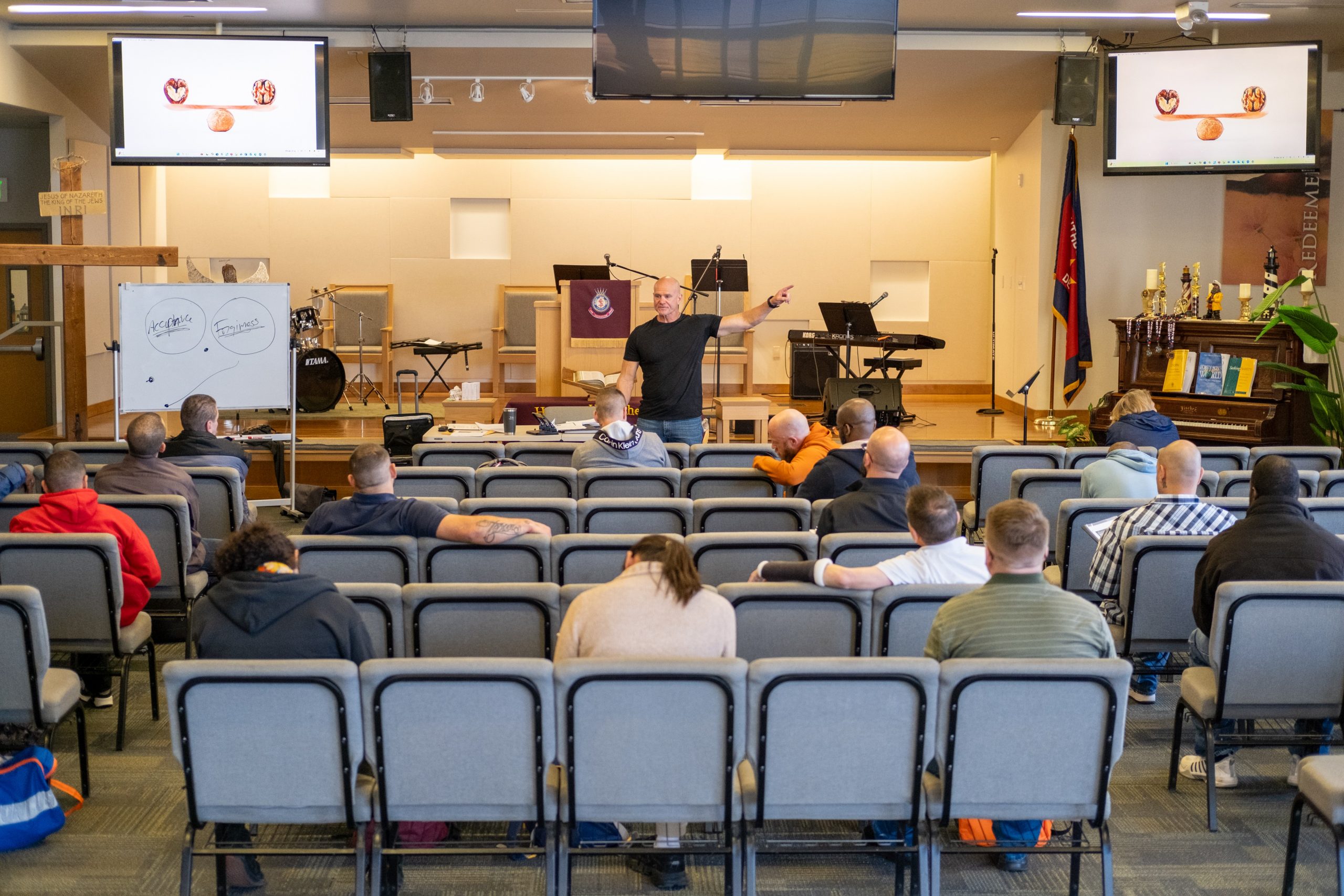

We had the good fortune of connecting with Cameron Lundstrom and we’ve shared our conversation below.
Hi Cameron, can you walk us through the thought-process of starting your business?
My journey into entrepreneurship was deeply personal, born from my own experiences with addiction and incarceration. After years of struggling, I was determined to share the lessons that guided me to recovery and, ultimately, a life of service.
Even while still battling addiction, I recognized a recurring pattern: there comes a point where the consequences of drug addiction compound and crash down all at once. I saw it in my own life and in the lives of those around me. We call it “dirt broke and effed up”—when everything collapses, from housing and jobs to relationships and self-worth. Around 2009, despite my own struggles, I started working to help others facing this threshold. I formed a grassroots effort called the “Nap and a Sandwich Foundation,” based on a simple yet powerful principle: providing people in crisis with the support to restart. The only requirement was that they would help the next person in need. Through this, I discovered that I wasn’t alone—there was an army of people yearning for a way out, bonded by shared hardship. Although I wasn’t yet on my own recovery path, the seed of service had been planted. When I finally embraced my own journey to sobriety, that seed blossomed.
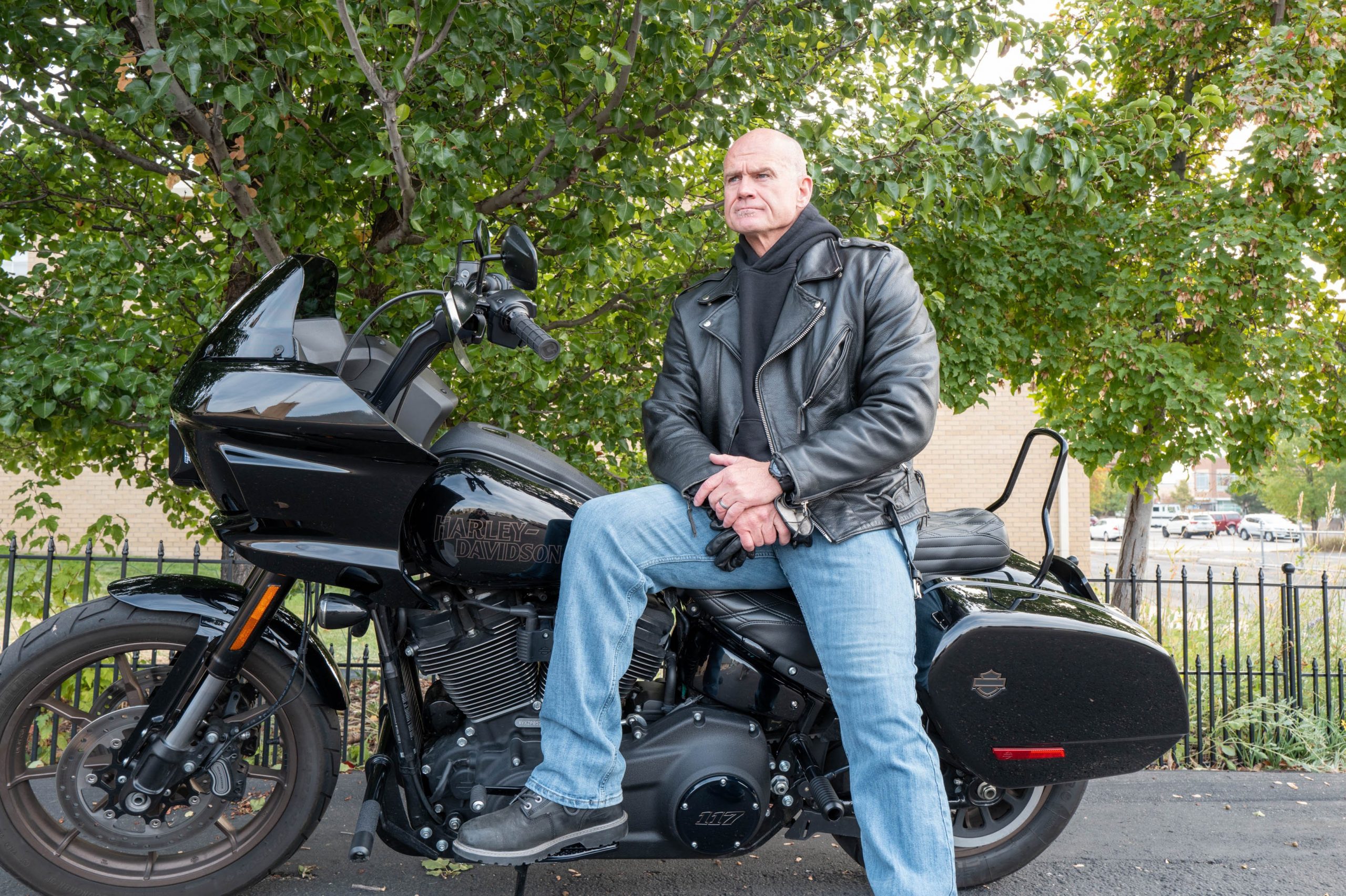
Alright, so for those in our community who might not be familiar with your business, can you tell us more?
That initial spark of service evolved into NAS Recovery Solutions, an ASAM Level I outpatient treatment center dedicated to helping individuals find their way back from addiction and incarceration.
My transformation began in earnest in 2011 when I faced a 30-year prison sentence under the crime of violence statute. I was looking at 20 years before parole eligibility. It was in that moment, sitting in a county jail cell, that I made a pivotal choice: I would take full responsibility for my actions. For years, I had justified my behavior and lived in a victim mindset. But shifting to a life of complete accountability and transparency changed everything. I reframed my prison sentence as an opportunity for growth. Over the next five years, I rebuilt my character on four core principles: honesty, integrity, accountability, and responsibility. I committed myself to consistent self-improvement, confronting trauma, and embracing discipline.
Finding sustainable recovery required more than just abstaining from substances—it required learning how to refill my cup. For years, I had tried to get sober, only to run out of steam around the 10-month mark. It wasn’t that I wanted to relapse, but I simply had nothing left in the tank. The first place I found renewal was on the prison weight pile. Training with men of all backgrounds, we pushed each other beyond adversity and self-doubt. That camaraderie healed me physically, mentally, spiritually, and socially. It provided the fuel I needed to keep moving forward.
Then, in 2016, I faced another life-altering challenge: I discovered a lump in my neck. It took 15 months before I received a proper medical diagnosis—metastatic squamous cell carcinoma, with a five-year survival rate. By the time I received this news, I had 14 years left on my sentence and, according to my doctors, only three years left to live. Once again, I had to shift my perspective. If I was going to die in a prison cell, I would spend my remaining time giving away everything I had—not just my possessions, but my knowledge, my experiences, and my service.
After that diagnosis I returned to my cell and wrote a simple question on a piece of paper: “Is this worthy of your time?” Every moment became an opportunity to serve. I mentored and supported my fellow inmates, pouring everything I had into helping others. And something remarkable happened—through service, I found my true purpose. The more I focused on others, the more I healed. I connected with a higher purpose, realizing that I was not here to harm—I was here to help.
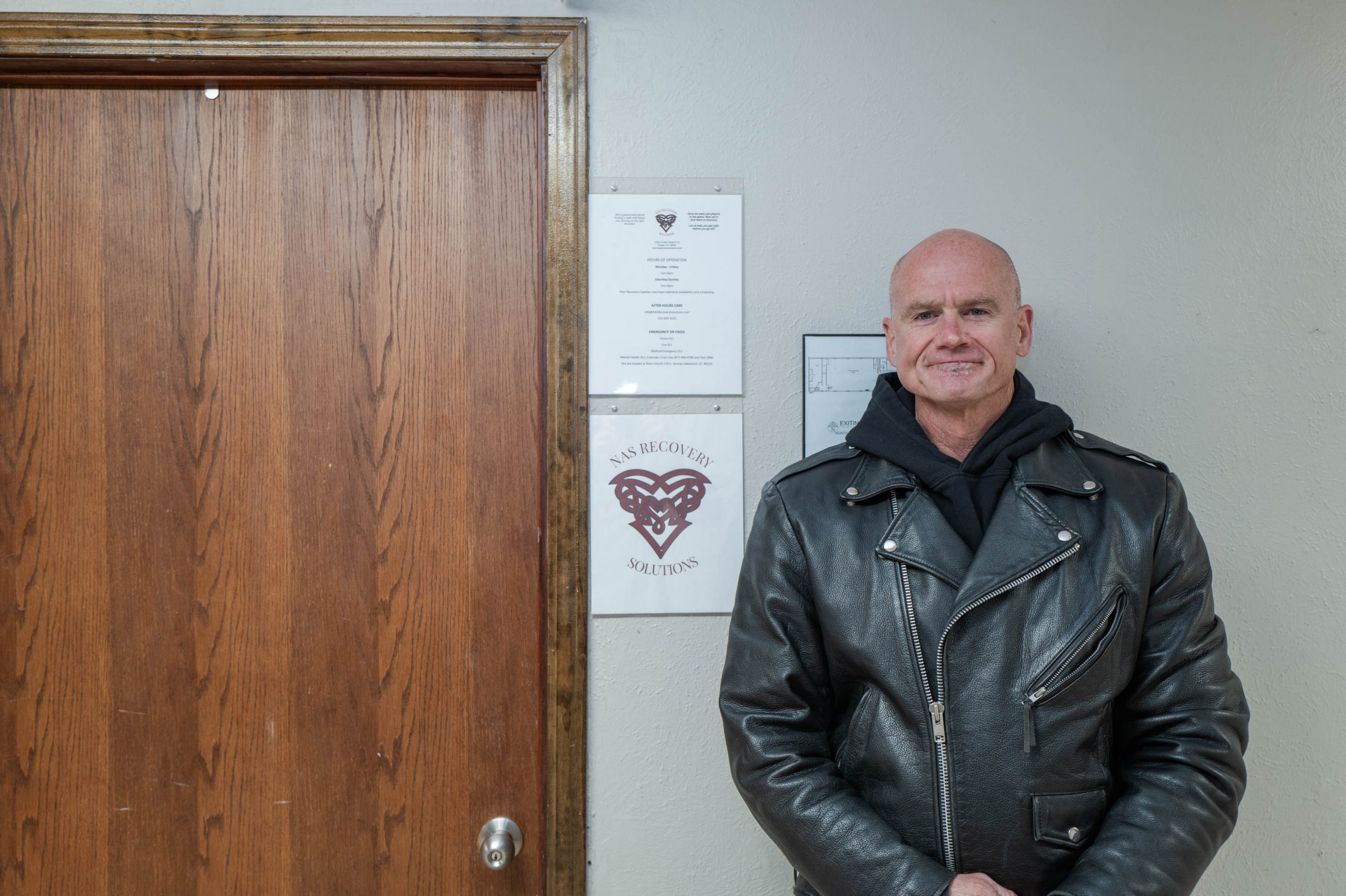
In 2018, against all odds, I beat cancer and had 20 years of my sentence overturned. I walked out of prison in 2019 with a mission: to help others break free from addiction and the cycle of incarceration. NAS Recovery Solutions was born from this commitment. Every coach on my team has lived experience with addiction and incarceration. This is not just a business—it is a movement, a mission fueled by passion and purpose.
Any places to eat or things to do that you can share with our readers? If they have a friend visiting town, what are some spots they could take them to?
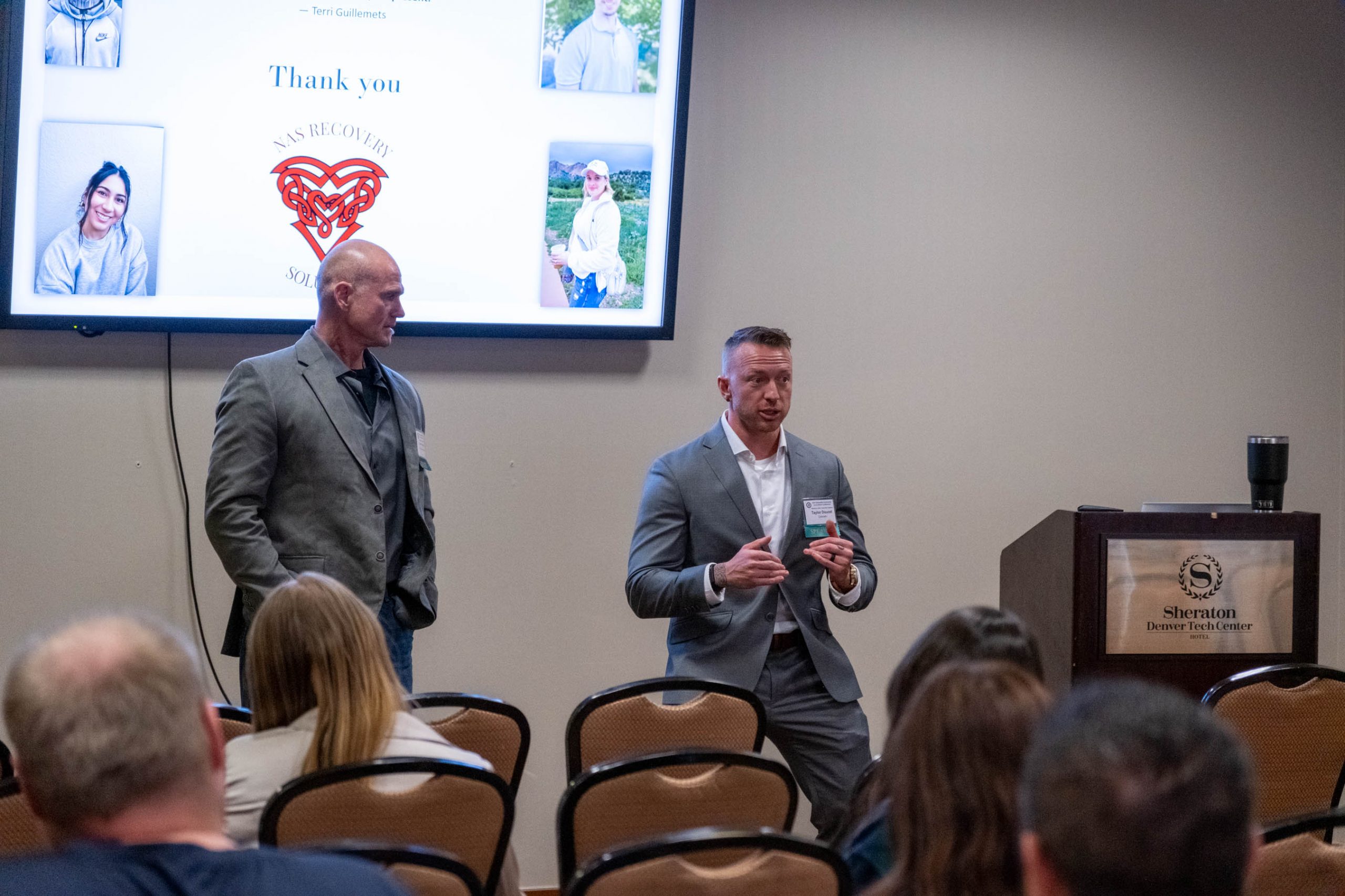
Well, that’s an easy question cuz I’m what you call today a motorcycle enthusiast! (We don’t call ourselves bikers anymore, lol) First we would head up into the hills, take 285 up through Evergreen, Fairplay, South Park, and Buena Vista back around over to I 70 and then all along the front range in the foothills. We’ Grab a cup of coffee at the Java Moose, and lunch at the Lariat, then maybe out to the Eastern Plains and visit my friends in Beyers for a barbecue.
Shoutout is all about shouting out others who you feel deserve additional recognition and exposure. Who would you like to shoutout?
One of the most influential resources in my recovery was “The 7 Habits of Highly Effective People”. This book provided me with the framework for self-mastery, vision, and management, while also equipping me with the tools to communicate, collaborate, and thrive. It became the foundation for all the psychological and philosophical work I needed to transition from trauma and loss to success and contribution.
Website: https://www.nasrecoverysolutions.com
Instagram: https://www.instagram.com/nas.recoverysolutions?igsh=MXptY2trb2hzMDFv
Linkedin: Cameron Lundstrom
Facebook: https://www.facebook.com/NASrecoverysolutions?mibextid=wwXIfr&mibextid=wwXIfr
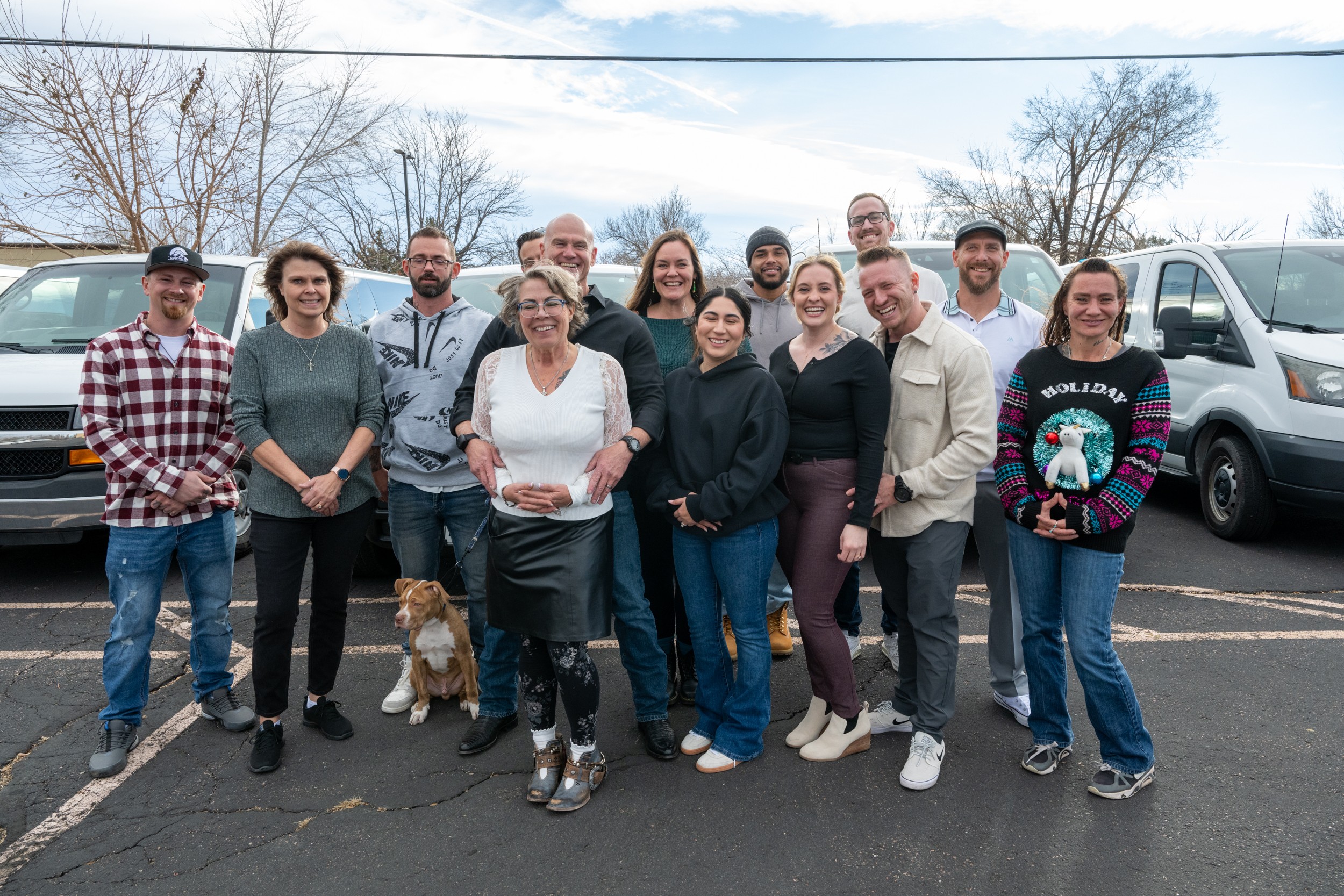

Image Credits
Photos by Leland Kessler