Meet Gary Allen | Co-Executive Director of Mindfulness Peace Project


We had the good fortune of connecting with Gary Allen and we’ve shared our conversation below.
Hi Gary, what habits do you feel helped you succeed?
Since I teach meditation and spirituality, I think it’s important that these are active principles for me personally–they’re something I have to engage with in a living way, or they easily get stale, and I’m just repeating things I’ve already been told and have already thought. You’re always going to be less useful to others if you end up just mouthing the words. Your own active engagement with evolving your understanding personally is something that does communicate to others, even if it’s at a subtle or unspoken level. I would go so far as to say that it’s part of my job to continue to cultivate my scholarship, understanding, meditative skills, and familiarity with my own psychological landscape, especially if that’s what I’m going to ask anyone else to do.
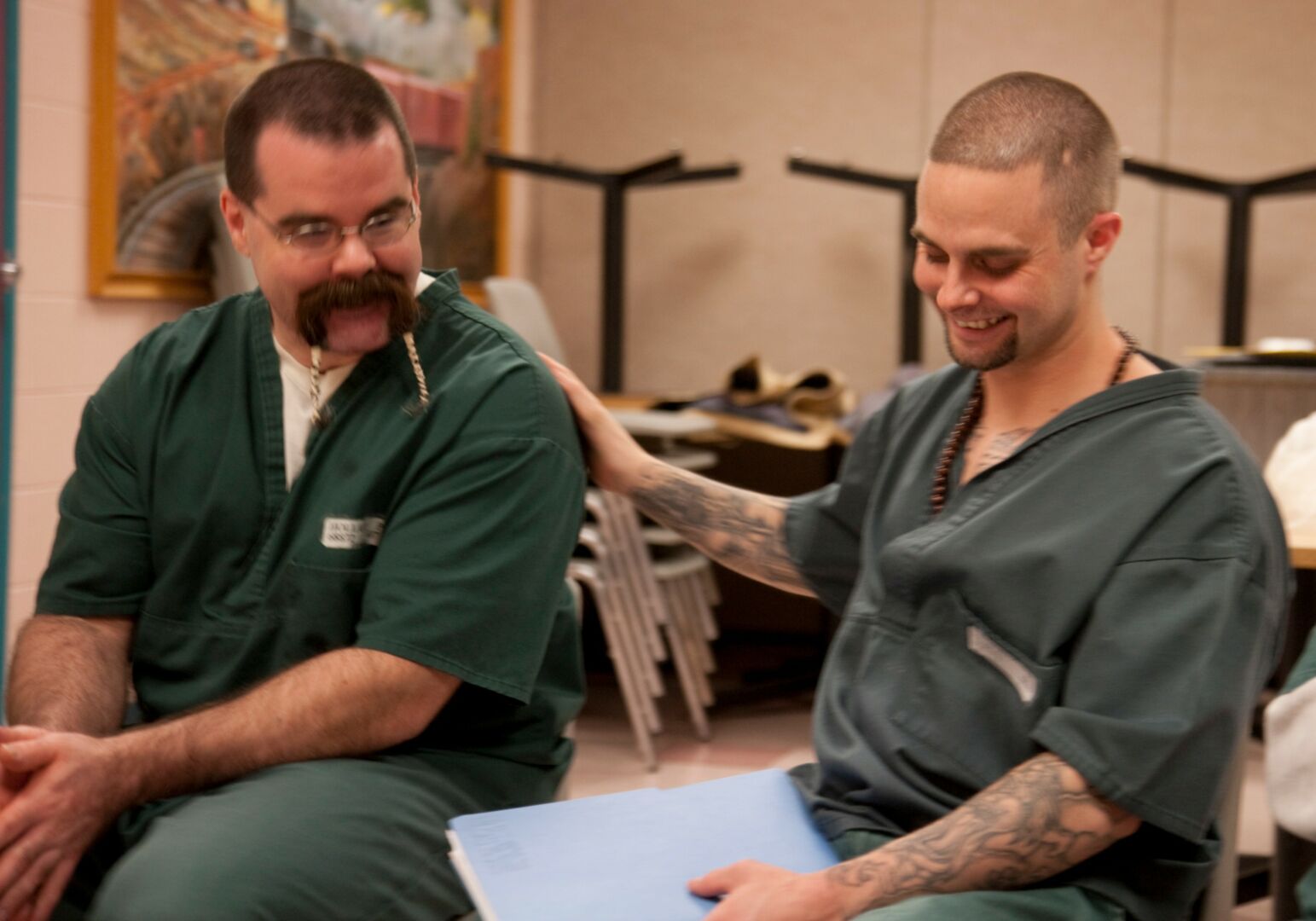
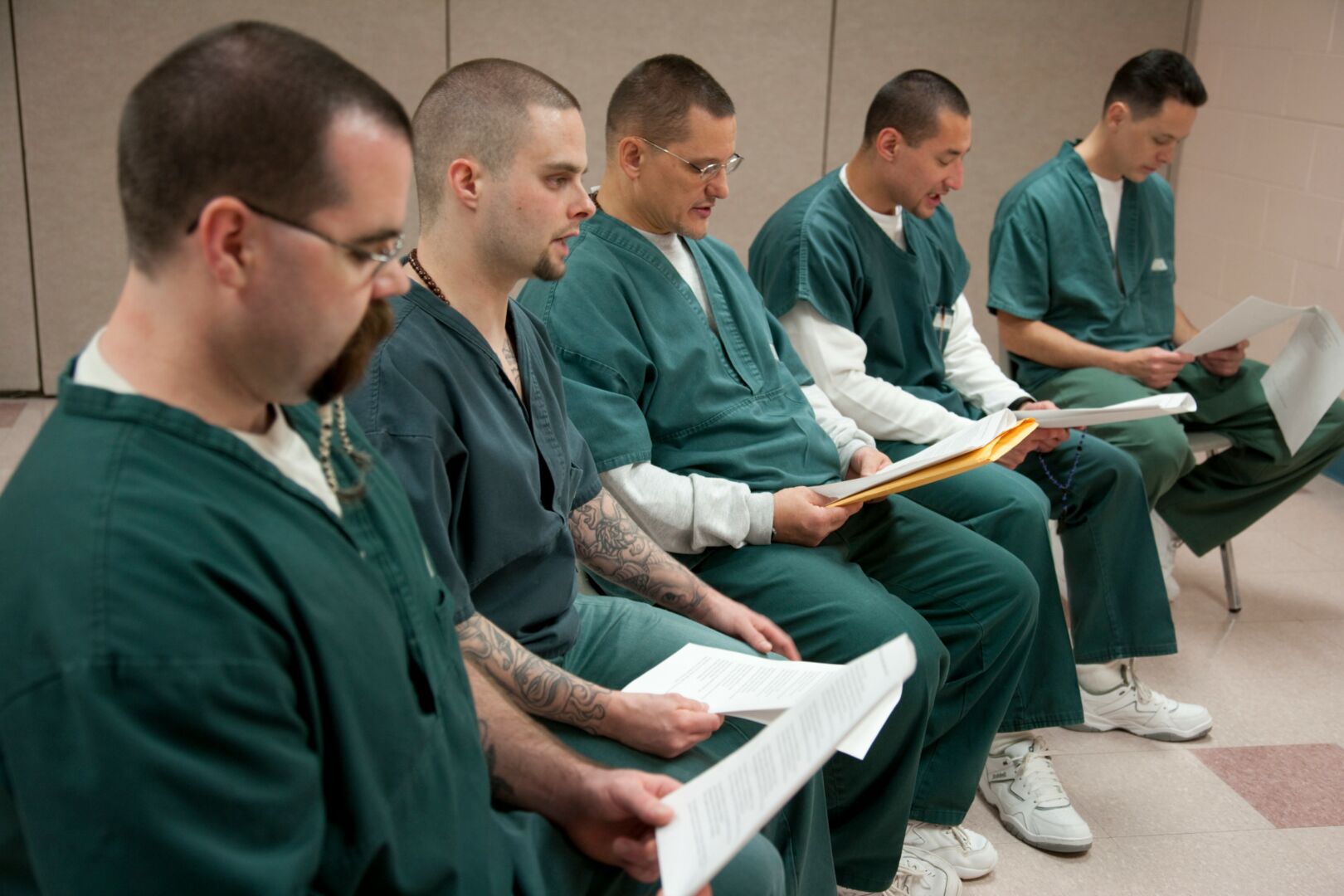
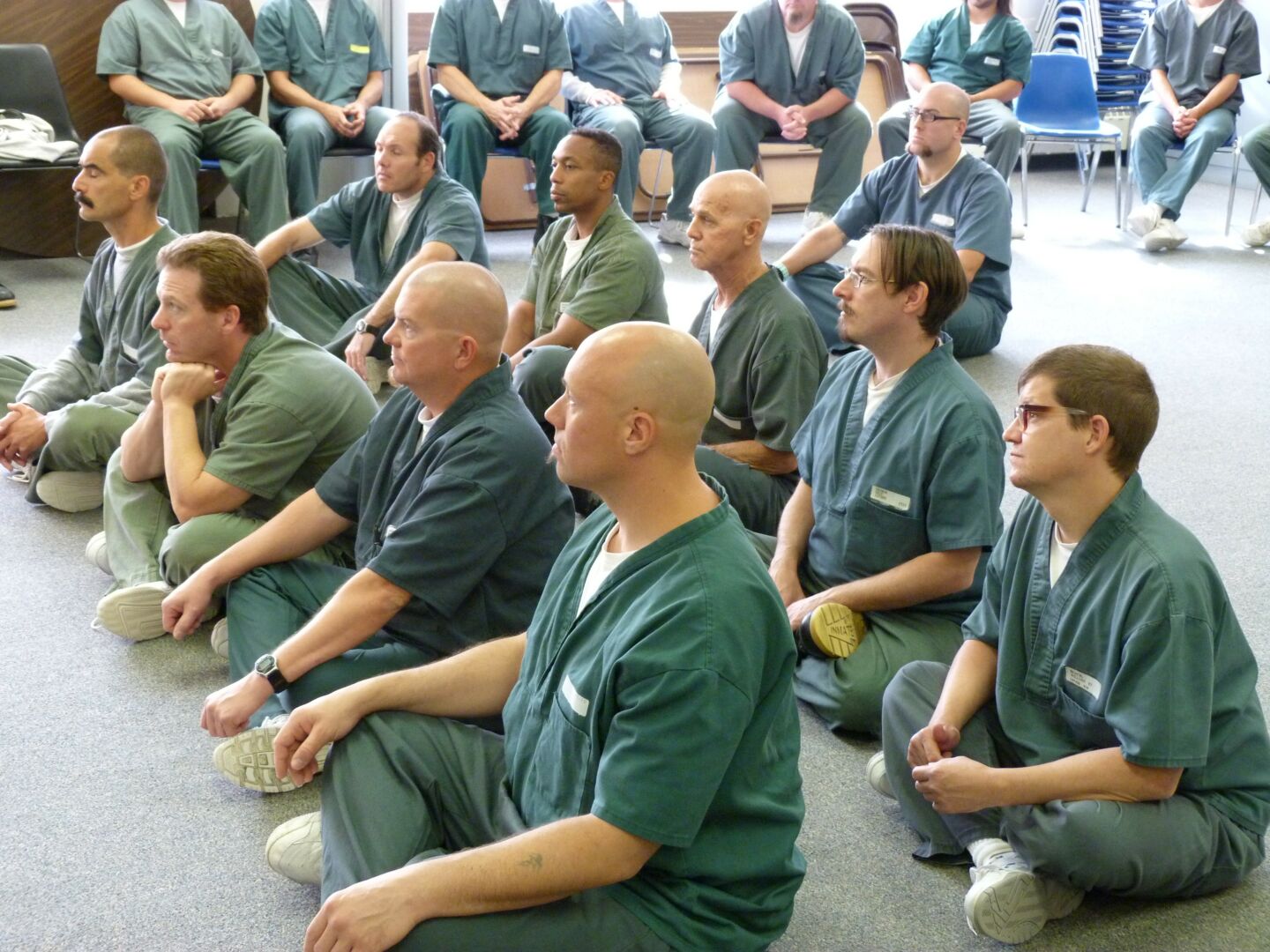
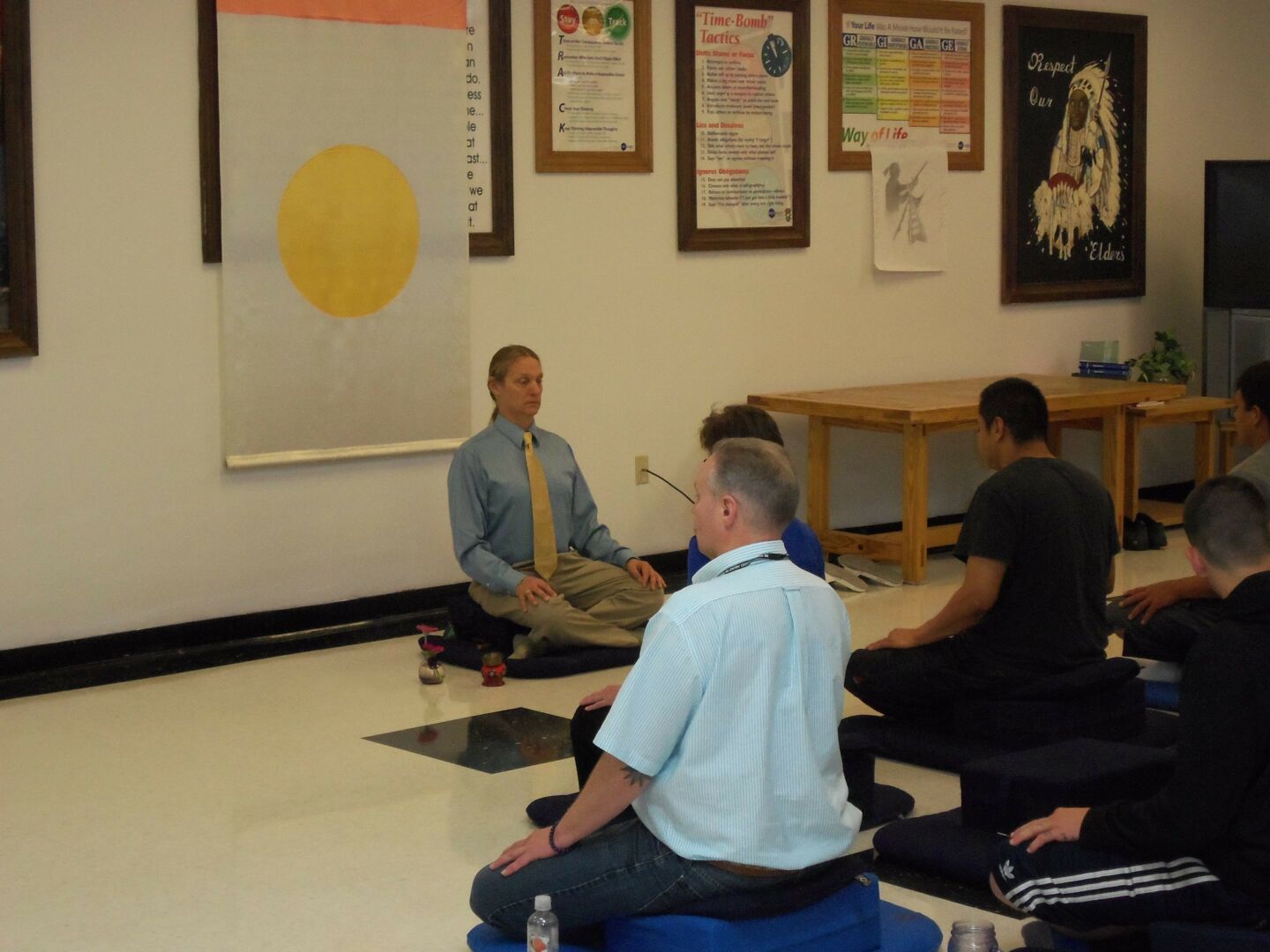
Our clientele consists of people who have very limited resources for engaging in formal meditative and Buddhist practice. They usually don’t have the environments, the teachers, the literature, and the programming available in a plentiful way it can be on the outside of prisons. Often they’re finding their way through difficult, even antithetical circumstances, and it takes a large view on my part and a knowledge of many spiritual views, teachings, and practices to be maximally helpful. To some extent I have to guess what might be most useful to a given person, so continuing to develop some erudition in the Buddhist tradition gives me more ways to be helpful to the needs of different personalities. It takes real effort to get a meditation practice going, whether you’re in prison or not, and they need me to understand the many ways the mind gets stuck and unstuck. You need to have lived that out in your personal experience to be a really useful instructor.
In the end you know what you know, and you can pass that on if you find someone who can hear it. The inmates are struggling with their lives, their families, their pasts, the many obstacles prison can put in their way, and their desires to educate themselves and find a way forward after prison. They’re trying to tame their harsh impulses, learn how to be patient, see the bigger picture, face loss and death, and so on. I may not be in prison, but they need me to understand all this straight up, and understand how it becomes spiritual path. No one can snap their fingers and make it all all right. Spiritual path is based on finding your heart and putting one foot in front of the other as sensibly as you can. But if I can walk it myself, I can in some sense walk it with them, and then they’ve got a friend helping them find their way.
Alright, so let’s move onto what keeps you busy professionally?
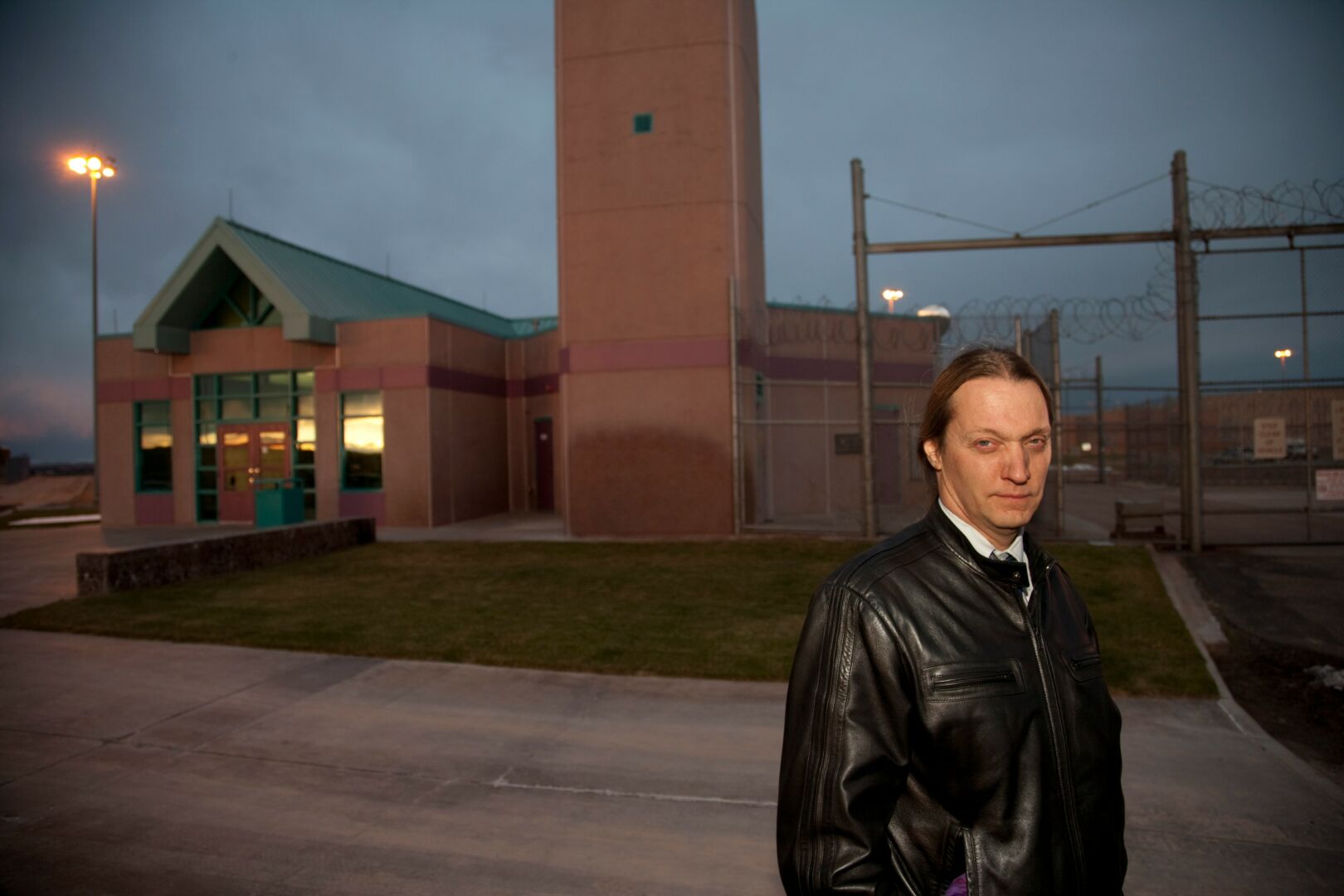
I kind of backed my way into this “career.” It’s a pretty narrow niche–meditation instructor to prison inmates–though I do know, and know of, people who do it. Of those, most don’t do it for a living, and I’m blessed to have that opportunity. I do think dealing with prisons and felons isn’t for everyone, and not everyone would be suited to this. You have to keep your poise in the face of many obstacles, and when you’re sitting with a group in prison, you need to know what you’re doing. They don’t need you to be mushy with poor boundaries; they need you to know what you’re about and what you have to share.
If I did have a more conventional career, it was as an English teacher. I had a great variety of experiences that way, and many very difficult classroom situations. In the end, I found myself much more compelled by a murderer who wanted to meditate than a college freshman who couldn’t be bothered to so much as bring his book to class, much less learn how to write clear, effective essays.
I think largely the “challenges” involved in what I do have remained the same, though maybe I have more facility with things through familiarity. The frustrations of dealing with a prison who is supposed to have the paperwork at the front allowing you to come in and run your program, but somehow, after you’ve driven two hours to be there, mysteriously doesn’t–that hasn’t changed. Prisons have made it ever harder to send in literature and study course material, and sometimes just a letter. Some felons, despite whatever good work you’ve done with them, still act out disastrously and end up back behind the razor wire. You’re dealing in a realm full of darkness, and no matter how much light you happen to shine, there’s no quick fix to all these many frustrations.
I don’t know that I’m apart from others in what I do. I appreciate anyone who can find a way to bring humanity into prisons and encourage it in people. That can be a counselor or guard or volunteer who comes in and teaches choir. They’re doing that in a world where it’s easy to be mean, obstructive, demeaning, and dishonest.
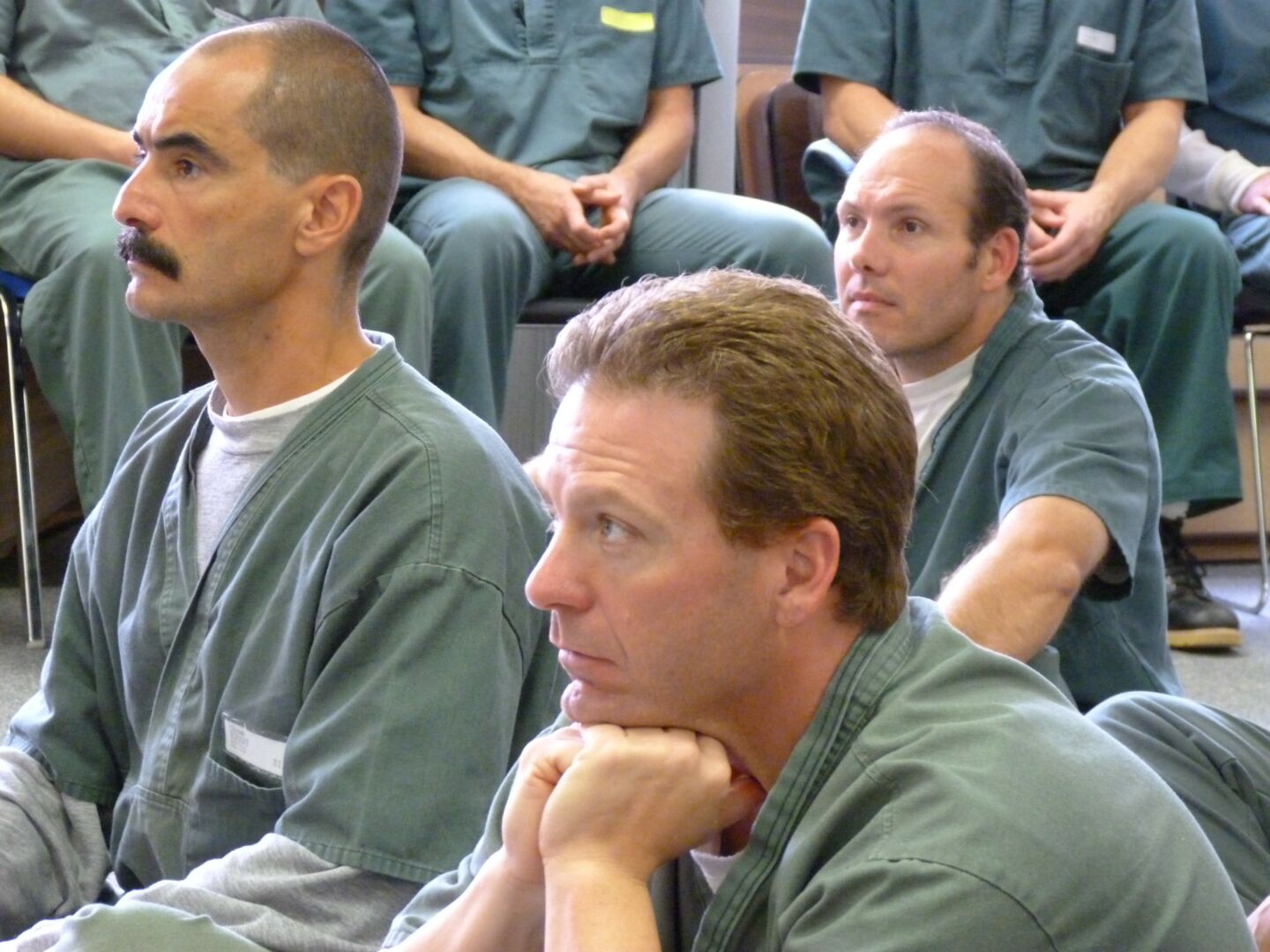
Nevertheless, despite all the things stacked against inmates, not the least of which is their own past histories, they are able to take what we offer them, find a way to work with their minds, cope with the fear, aggression, and game-playing going on around them, and suss out a way forward. Sometimes they’ve been violent and turn their minds completely away from that. Sometimes their families don’t trust or much like them, and then they become the son or father they needed to be all along. If what we do even just lowers the temperature a little bit, makes someone more reasonable in a realm where people constantly lose their shit, something valuable has happened. Someone like that affects others, gives others a chance to calm down and talk it out, for instance.
So if I think of anything that might make me proud, that’s it. We’ve helped people in a harsh situation become more human, more compassionate, more reasonable, and perceptive about themselves and the people around them. They can bring civility where it’s often lacking. They can see more deeply and less impulsively. They literally can start to live the life they always needed to live–one that would have kept them out of prison to begin with.
The American prison system has 1.8 million people in it. It’s a vast realm of suffering, and it won’t end in my time or through my efforts. On the other hand, real, living people, most of whom will eventually return to the the American streets, find their humanity and transform themselves through what we do. They can come out of prison much better than when they went in, and they can recover the good in themselves which maybe they felt had been lost. On this basis, I’m never dragged down by what I do. I can always see the beautiful potential.

If you had a friend visiting you, what are some of the local spots you’d want to take them around to?
Since I live in Boulder, I would take them to eat and drink on Pearl Street Mall and give them time to explore it. I might also bring them to Niwot, where our office is. There’s a lot of charm to this little place. On Thursdays in the summer, Niwot has “Rock N Rails,” where they hire good local bands, set them up in park space with concessions, and everyone comes out to it, like a once a week town party where there are little kids running around all the way to old ladies in wheel chairs, and you get to meet up with your neighbors. It’s set against the horizon of the Rockies as the sun sets, and sometimes the train goes by the western edge of the park. That’s something fun to do.
Who else deserves some credit and recognition?
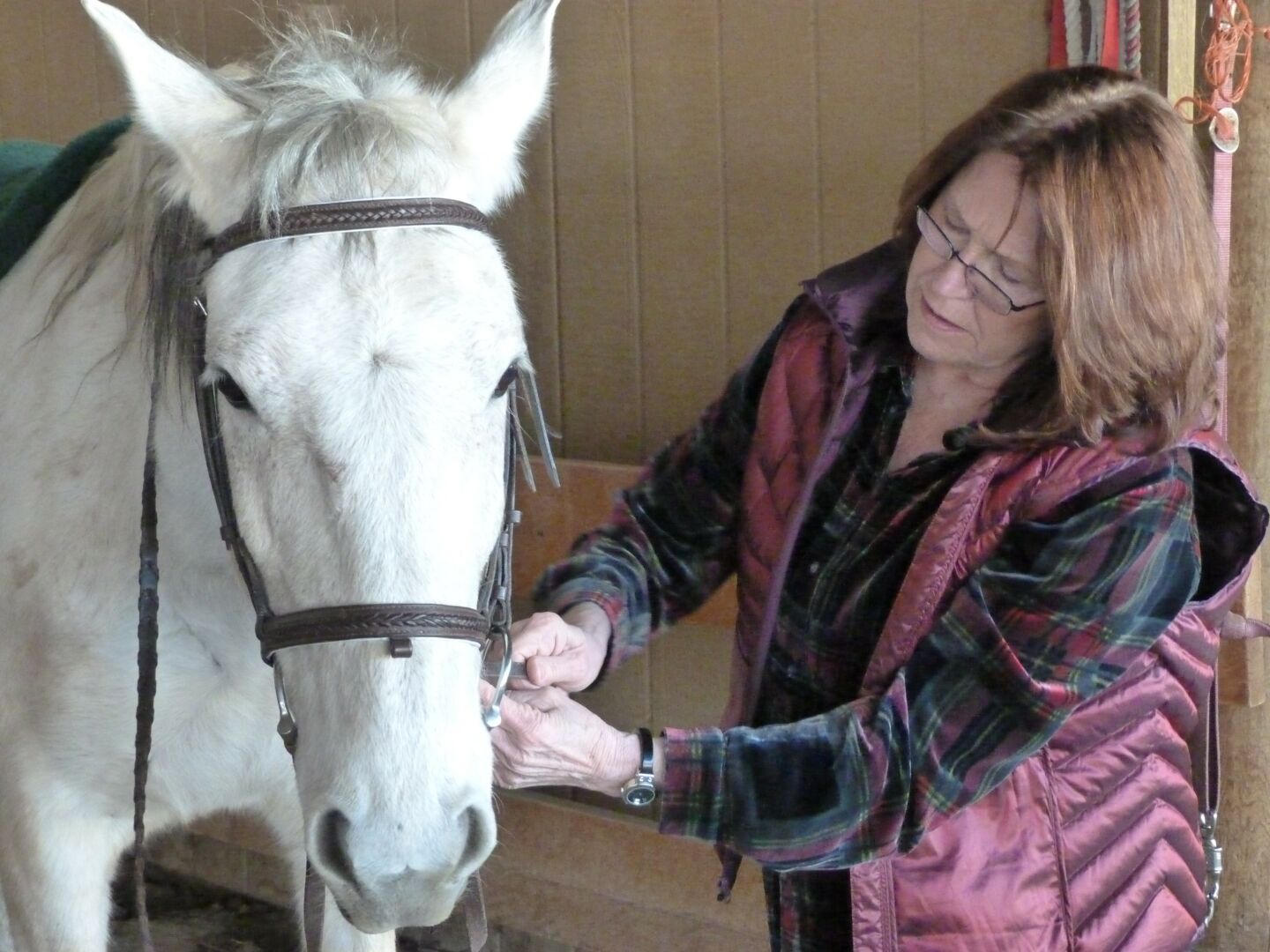
If I really tried to sort out how I got here and everyone involved, it would be a very long list indeed, particularly of my Buddhist teachers and my teachers at Naropa University, but also of all kinds of people who helped me find my feet along the way. But in very immediate terms, our organization, Mindfulness Peace Project, comes out of the efforts of Margot and Cliff Neuman. Margot began working with inmates after I had left the country to live in Asia for five years. She started answering letters, running the group in a federal prison where I had been previously, and spearheaded our first formal study course for inmates, “The Myth of Freedom.” She established an office and got some files going, started to send out books and magazines, and suddenly there was the potential for a nonprofit organization, that she and her husband eventually got going. Margot set up a lot of our procedures and started to grow our outreach, and she eventually created the veterans work we do, as well. It’s because of the generosity and dedication of her and her husband that I and others have had the privilege to do this work with so many people over so many years.
Website: https://www.mindfulnesspeaceproject.org
Facebook: https://www.facebook.com/Ratna.Peace.Initiative/
Youtube: Mindfulness Peace Project
Other: My personal website: GaryAllenAntarabhavaPress.com