Meet Heather Pridemore | Principle Owner
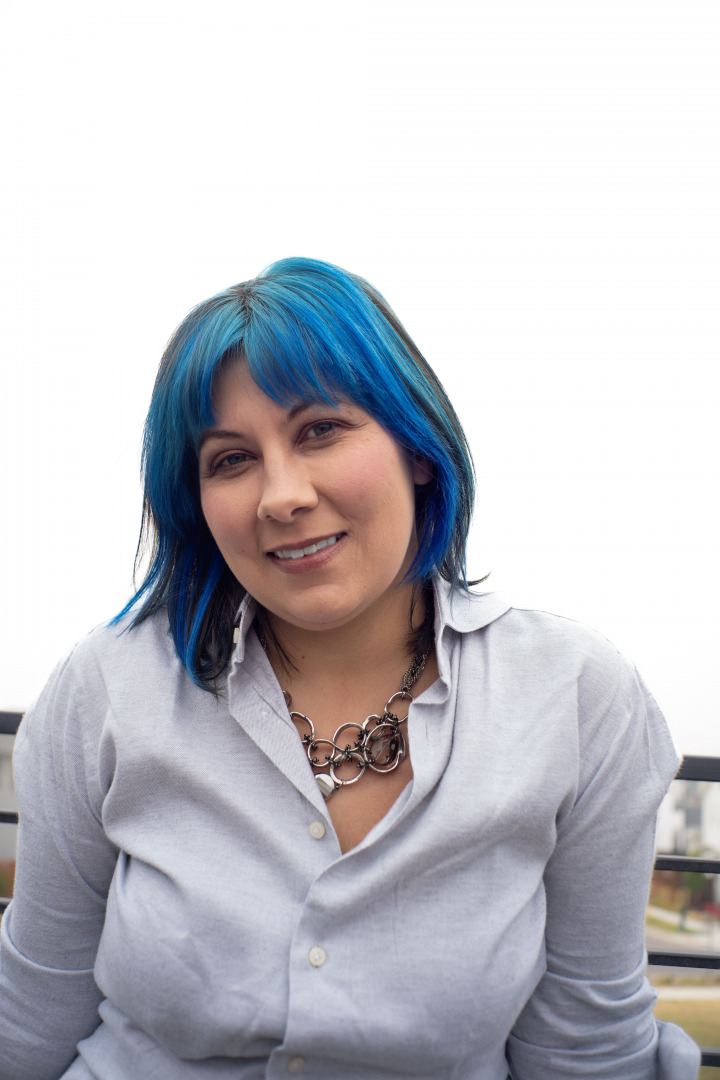

We had the good fortune of connecting with Heather Pridemore and we’ve shared our conversation below.
Hi Heather, why did you decide to pursue a creative path?
I’m not sure I can say that I did choose an artistic or creative career. In middle school, I was focused on practical skills like business, typing, administration, and communication. I knew what it was like to go without, and I figured the safest way to build a successful future was to set myself up with marketable skills. I still loved art and being creative, but at the time it didn’t seem like a practical future.
In high school a friend reintroduced me to art in a whole new way. He taught me darkroom photography, and once I had a camera in my hands, I saw my life differently. I went to college for Fine Art, focusing on photography. I had no shortage of creativity and maybe even some talent, but I never quite felt like an artist. I was surrounded by people who truly identified that way, and I could tell something about me was different.
While I was in school, I was also working in museums through student jobs, part-time work, and volunteering, mostly supporting Education Departments with my admin skills. Eventually I realized I didn’t want to be a working artist, so I decided to pursue a museum career. I went all in and earned a Master’s in Photographic Preservation and Collections Management, which was two incredible years of nerding out on all things photographic.
And then real life happened. Museum jobs were hard to come by and didn’t pay enough to put a dent in my student loans, so I took what I thought would be a temporary job. That temporary job turned into more than a decade in the corporate world, first in retail automotive and then on the technology side of the industry. I climbed the corporate ladder, relied heavily on my business skills, and still found little ways to use my creative and museum background. Having an art education helped me in surprising ways, whether it was running marketing or making sense of complex systems.
But it wasn’t enough creativity for me. After over a decade, I was burned out. I did some soul searching, got clear on my values.
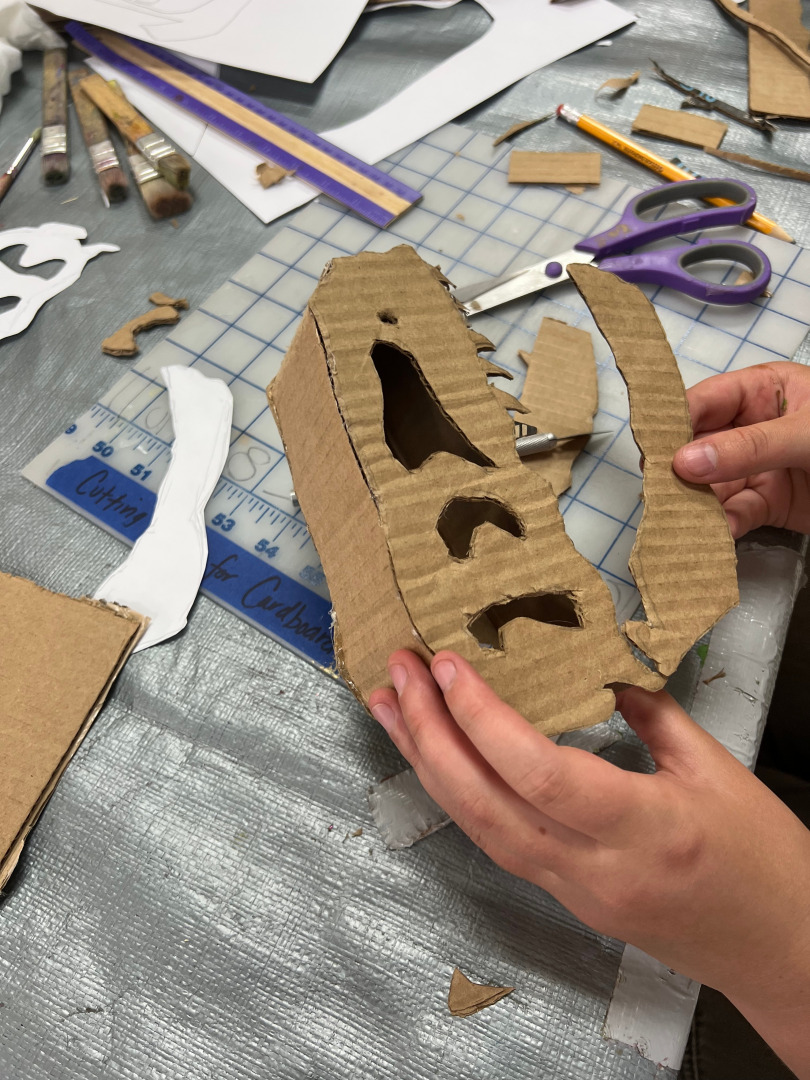
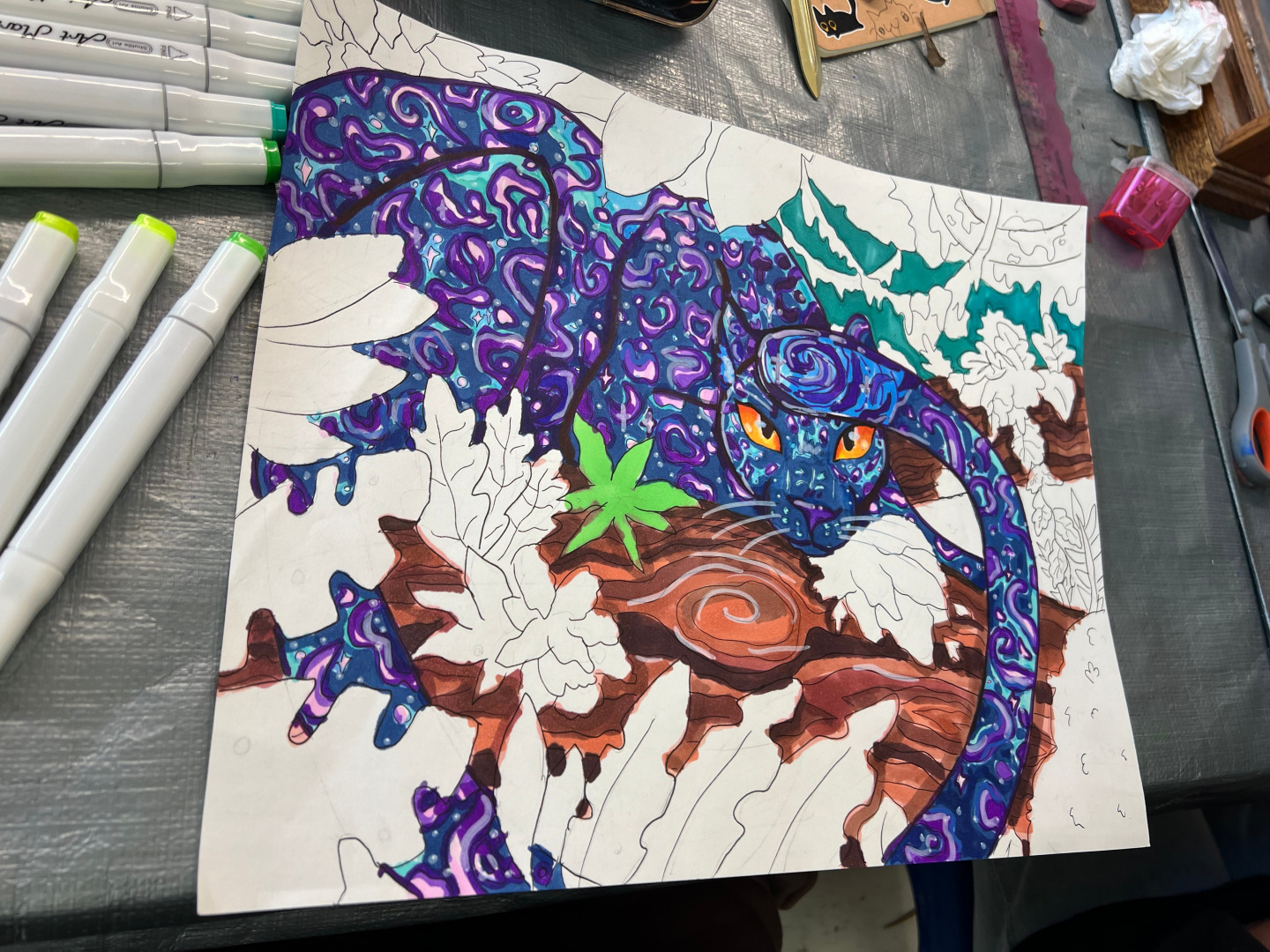
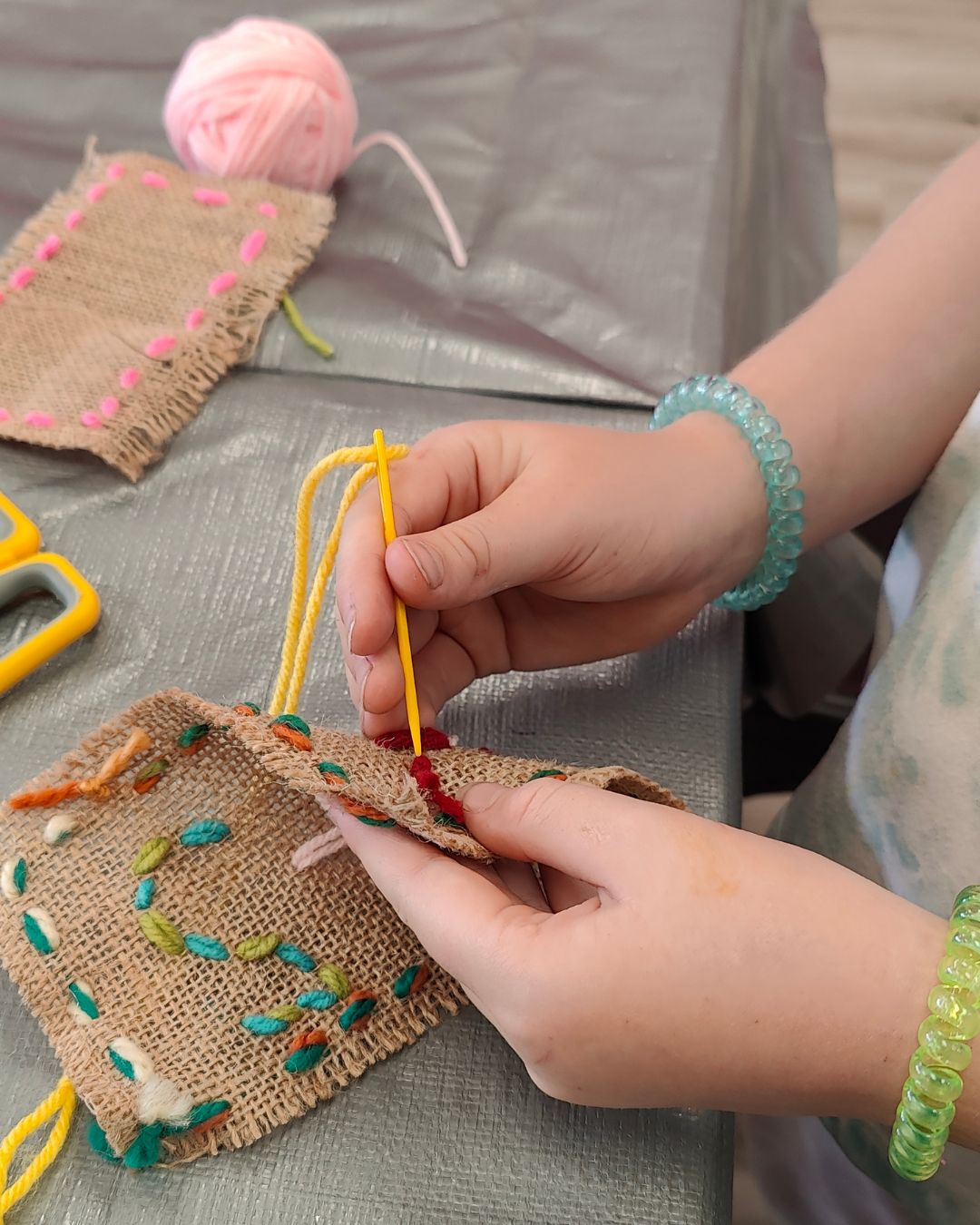
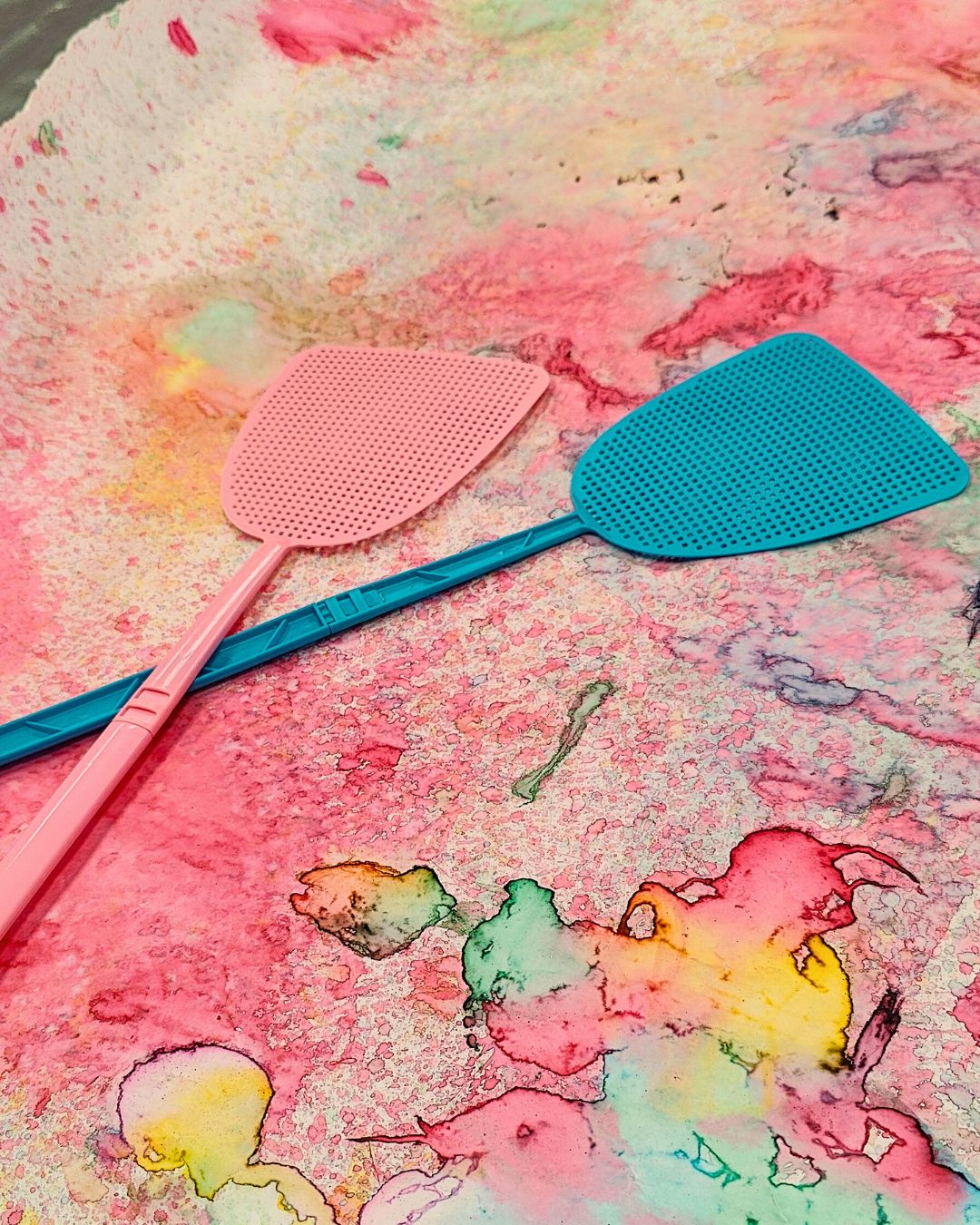
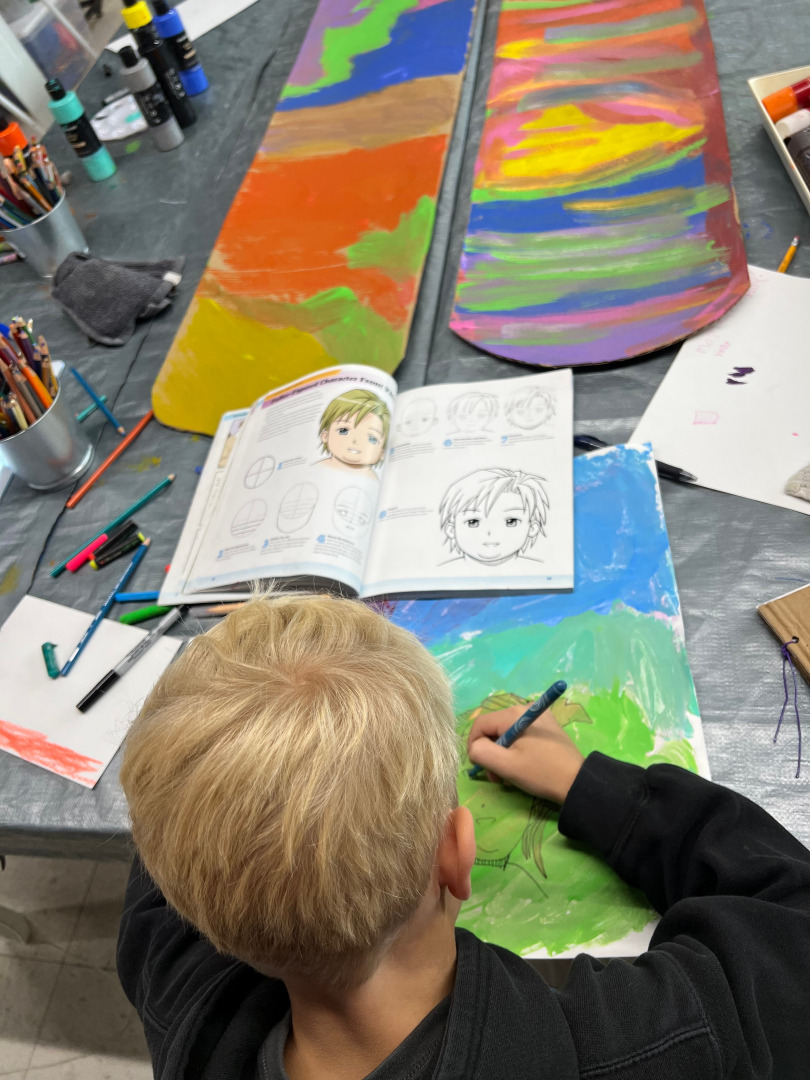
Now I run artSPARK Creative Studio, a business that is all about nurturing creativity. The same skills I learned as an art student, like observation, problem-solving, taking risks, and understanding context, still shape how I lead today. artSPARK helps kids build those same skills through something as fun and low-risk as making art. The studio creates a space where people can learn how to think, and for me, that is the best part.
Alright, so for those in our community who might not be familiar with your business, can you tell us more?
I don’t really think about my journey in terms of “easy” or “hard.” It is simply my story, and like most stories, it has its own mix of twists, turns, and lessons. If I had to point to the threads that have been most consistent, they would be self-advocacy and a deep commitment to learning how to think, not just what to think.
Self-advocacy, and really advocacy in general, showed up early for me. In high school, I petitioned the administration for a strategic schedule change and stood my ground when they wanted me to censor content in my senior thesis. Later, I convinced a small framing business to create a role for me, persuaded a museum to do the same, and convinced the general manager at a dealership to let me expand both my scope and my team. Eventually, I bought, rebranded, and grew a small business into what artSPARK Creative Studio is today. I see what is possible and I go after it. There are always obstacles, but resilience and flexibility have been key.
Continuous learning is another cornerstone for me. I will always be a student. I hold multiple degrees, including two Master’s—one in Photographic Preservation and Collections Management and an MBA from Boston University. I am a tenacious reader, and I host and produce a podcast where I interview people about the intersection of their lives and careers. Every new piece of knowledge expands how I think about the world and how I approach my work.
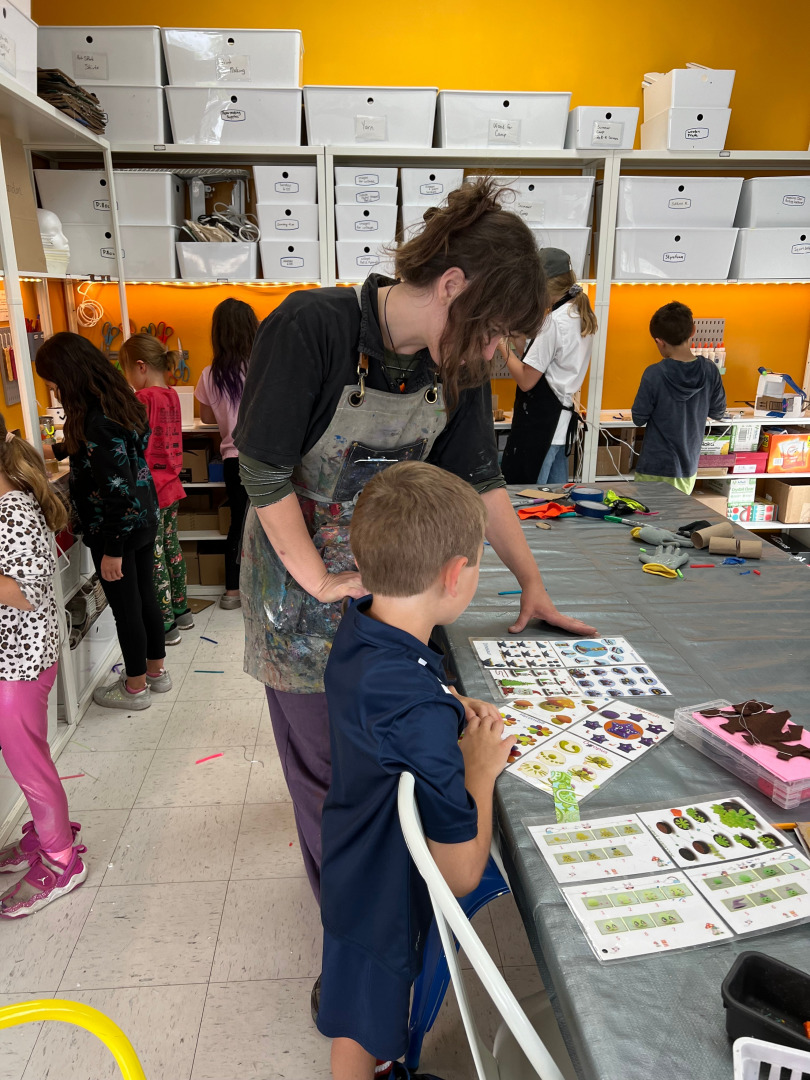
What I want people to know about artSPARK is that it is more than an art studio. We believe creativity is the new literacy, an essential skill that shapes how we think, adapt, and connect with the world. Our programs focus on nurturing creativity through a philosophy that teaches young people not just how to make art, but how to think creatively, take risks, solve problems, and see possibility. It is personally rewarding to run a business that connects my background in the arts with my business expertise, and it is professionally exciting to see the impact our programs have on the kids, families, and communities we serve.
Any places to eat or things to do that you can share with our readers? If they have a friend visiting town, what are some spots they could take them to?
If my best friend was in town for a week, I’d want them to experience a mix of my favorite go-to spots and the kinds of things people love to do when they visit Colorado.
We’d definitely spend some time on the water, paddle boarding at either the Rock Pond or Chatfield Reservoir. For live music, we get great shows at Ball Arena, Mile High Stadium, and Red Rocks Amphitheater. I’d also make time for vintage and antique shopping, because you never know what treasures you’ll find.
For breakfast, I’m a big fan of the classics, so we’d go to Village Inn or Waffle House at least once. And there would absolutely be one special dinner at Tavernetta. Beyond that, I’d want to know what they’re most excited about. A lot of visitors love places like the Denver Zoo or the Wild Animal Sanctuary, and I’m always happy to tag along.
We might take a day trip to Estes Park to see the wildlife and wander through the shops, or head to the Garden of the Gods for those incredible views. I’ll admit I don’t always do these things on my own because I work a lot, but when friends are here, I love having an excuse to play tourist and enjoy all the beautiful, unique experiences Colorado has to offer.
The Shoutout series is all about recognizing that our success and where we are in life is at least somewhat thanks to the efforts, support, mentorship, love and encouragement of others. So is there someone that you want to dedicate your shoutout to?
I have a friend who says that nothing is ever wasted. I believe that too. Every experience we have and every person we know leaves its impression, shaping who we are and how we show up in the world. My own story is filled with people and places that have nudged me forward in ways both big and small.
Mr. Verge, my high school art teacher, was the first to give me a safe space to take risks and experiment. The boy who put a camera in my hands completely changed how I saw the world. Lou Marcus gave me opportunities to explore and grow and the support to change course when I needed to.
There were the museums that took a chance on me, like FMoPA and the Leepa-Rattner Museum of Art, and the George Eastman House, which validated my path in a way I will never forget. In the early years of my automotive career, Justin Adis was a general manager and an unofficial mentor who let me take chances and taught me lessons that have shaped how I lead.
And then there are the friends and family who have been supporting me along the way.
When I look back, I can see how every step and every connection added something to the journey, proving that my friend was right all along, nothing is ever wasted.
Website: https://www.artsparkcreative.com/
Instagram: https://www.instagram.com/artsparkcreativestudio/
Linkedin: https://www.linkedin.com/company/artspark-creative-studio/?viewAsMember=true
Facebook: https://www.facebook.com/artsparkcreativestudio
Youtube: https://www.youtube.com/@artSPARKCreativeStudio