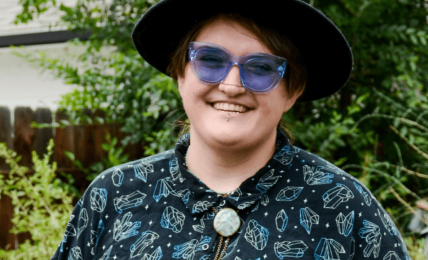
Meet Laura Mcarthur | Co-Founder and Psychologist
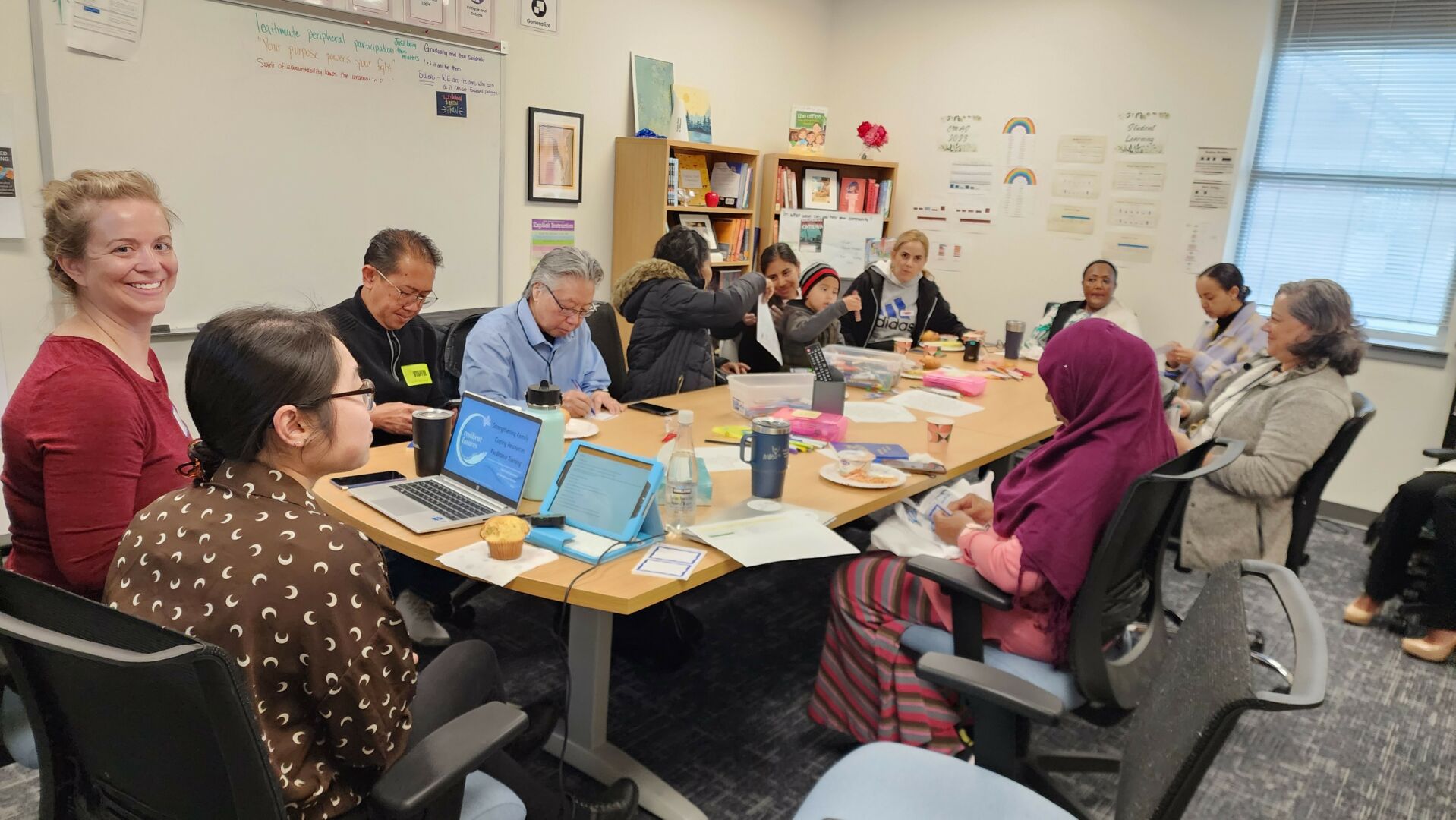

We had the good fortune of connecting with Laura Mcarthur and we’ve shared our conversation below.
Hi Laura, what was your thought process behind starting your own business?
The thought process behind starting Resilient Futures (www.resilientfutures.us) was driven by the founders’ recognition of the need for trauma-informed and equity-focused training in schools and youth-serving organizations. As three clinical psychologists working in schools, Dr. Laura McArthur, Dr. Eleonora Cahill, and Dr. Megan Brennan, we saw that many youth behavioral challenges stemmed from untold stories of adversity. We wanted to equip educators and community leaders with tools to address trauma and promote sustainable change in school culture. Our combined expertise and passion led us to create a nonprofit that could meet the increasing demand for trauma-informed support in education and community.
What should our readers know about your business?
What sets Resilient Futures apart from others?
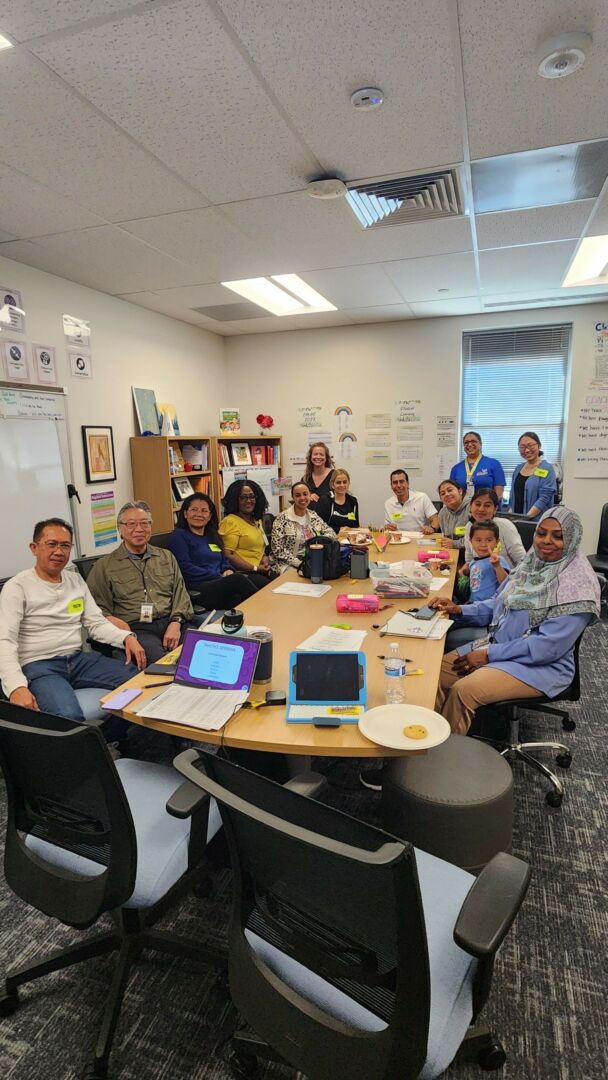
What truly sets Resilient Futures apart is our deep-rooted understanding of trauma’s impact on youth behavior and our focus on equity in systems like education and community organizations. We go beyond standard training to address not just trauma-informed care but also the intersections of race, poverty, and systemic inequities. We don’t just provide tools—we empower educators and leaders to create sustainable change within their school cultures. Our founders, Dr. Laura McArthur, Dr. Eleonora Cahill, and Dr. Megan Brennan, bring a unique blend of clinical expertise and passion from their lived experiences, combining their experiences to offer a comprehensive, actionable approach to trauma-informed practices.
What are you most proud of or excited about?
We are incredibly proud of the ripple effect our work has created over the past five years. Training over 5,400 educators and impacting more than 165,000 students is both humbling and rewarding. Watching the positive shifts in school cultures and witnessing how these trauma-informed practices foster safer, more equitable environments for young people excites us the most. Every day, we are contributing to a movement that’s bringing hope and healing to communities across the country.
How did you get to where you are today business-wise? Was it easy?
The journey has not been easy, but it’s been incredibly rewarding. We recognized early on that there was a significant gap in trauma-informed, equity-focused training in education. Responding to that need wasn’t straightforward—it required our own resilience, persistence, and collaboration. We overcame challenges by relying on our shared passion for the cause, our belief in the power of trauma-informed care, and the support of communities eager for change.
How did you overcome the challenges?
Overcoming challenges meant staying focused on our mission, even when the demand for our services outpaced our initial capacity. We had to grow quickly and efficiently while maintaining the quality and integrity of our training. Collaboration has been key, and we leaned on each other’s strengths, as well as the support of our community, to navigate the obstacles we faced. Listening to the needs of schools and youth-serving organizations helped us adapt and scale our impact.
What lessons have you learned along the way?
We’ve learned that change takes time and persistence. Shifting mindsets and behaviors—especially in systems as large as education—is a slow but vital process. We also learned that empathy and equity need to be at the center of everything we do. Listening and responding to the unique needs of each community has been critical. Finally, we’ve learned the importance of staying committed to our values, even when the road gets tough.
What do you want the world to know about your brand and story?
Resilient Futures was built on the belief that every young person deserves to feel safe, valued, and supported in their school environment. Our mission is to bridge the gap between trauma-informed theory and practice, empowering educators and community leaders to create meaningful, equitable, lasting change. We are here to not only unravel the complexities of trauma but to offer tangible, compassionate, equity-centered solutions that help build resilient communities. Our story is one of resilience, equity, and hope—and we are committed to transforming education one school at a time.
If you had a friend visiting you, what are some of the local spots you’d want to take them around to?
dIf my best friend was visiting Aurora and Denver for a week, I’d create an itinerary full of vibrant, diverse, family-friendly spots that highlight the unique culture of the area. Here’s what I’d plan:
Day 1: Exploring Aurora’s Cultural Side
Morning:
Start the week by visiting The People’s Building in downtown Aurora. This community art space hosts various cultural performances, art exhibits, and local events that celebrate diversity. It’s a great way to introduce them to Aurora’s vibrant arts scene.
Lunch and afternoon:
Head over to CoraFaye’s Café for some authentic soul food. It’s a local gem known for delicious comfort food like fried chicken, catfish, and collard greens.
Visit the Aurora History Museum, a small but enriching museum that offers a glimpse into the diverse history of the region, with exhibits that highlight various cultures and stories from the community.
Dinner:
For dinner, enjoy Ethiopian cuisine at Queen of Sheba, where you can share injera and flavorful stews. Aurora is known for its amazing Ethiopian restaurants, and this one is a standout.
Day 2: Outdoor Fun and Global Flavors in Aurora
Morning:
Start the day with a relaxing walk around Cherry Creek State Park. It’s a peaceful spot for outdoor activities like hiking, picnicking, or even a little fishing by the lake.
Lunch and afternoon:
Grab a bite at Stanley Marketplace, a cool community hub filled with local eateries, boutiques, and art spaces. For lunch, I’d recommend Maria Empanada, a Colorado-based Argentine-style empanada place. Spend some time exploring the global grocery stores in Aurora, like H Mart or Mango House. You’ll find a melting pot of cultures in the food, and it’s a fun place to pick up snacks and ingredients from around the world.
Dinner:
For dinner, go to Masha and the Bear, a family-friendly Eastern European restaurant where you can enjoy hearty Russian and Ukrainian dishes.
Day 3: Discovering Denver’s Downtown
Morning:
Take a trip to Denver and start the day at the Denver Museum of Nature & Science, which offers a variety of exhibits on everything from space to dinosaurs—perfect for all ages.
Lunch and afternoon:
Stop by Mercado District in Denver for some Latin-American street food. Check out Tacos El Paisa or Maria Empanada for an authentic and affordable lunch.
Head to City Park, where you can stroll through the Denver Zoo. It’s a favorite among families and budget-friendly. The zoo’s focus on conservation makes it not only fun but educational too.
Dinner:
Check out Zomo in Englewood, a restaurant that blends traditional Vietnamese dishes with a fun, family-friendly atmosphere. Try their pho or banh mi for a delicious dinner.
Day 4: Art and History in Denver
Morning:
Visit the Denver Art Museum, a fantastic and diverse collection of art from around the world. On certain days, they offer discounted or free admission, making it an affordable experience.
Lunch and afternoon
Stop by Snooze an A.M. Eatery in Union Station for brunch. Their creative twists on breakfast classics make it a local favorite.Walk over to Five Points, a historically Black neighborhood known for its jazz heritage and cultural diversity. Visit the Black American West Museum to learn about African American history in the West.
Dinner:
For dinner, visit Jax Fish House & Oyster Bar in LoDo for fresh, sustainable seafood, offering a fun yet budget-friendly option with happy hour deals.
Day 5: Family Fun and Local Markets
Morning:
Start the day with a visit to the Denver Botanic Gardens at Chatfield Farms. This nature preserve is a peaceful spot with stunning gardens, a butterfly pavilion, and space for the kids to run around.
Lunch:
For lunch, head to Zeppelin Station, a trendy food hall where you can explore various global food vendors in a laid-back setting. Grab a Vietnamese sandwich or some ramen—it’s affordable and family-friendly. Spend some time at Confluence Park, where you can walk by the river, rent bikes, or just hang out and enjoy the skyline view.
Dinner:
Finish the day with a meal at Adelitas Cocina y Cantina, a laid-back Mexican restaurant known for its amazing margaritas and delicious, budget-friendly fare. Try their tamales or enchiladas.
Day 6: Immersive Cultural Day in Aurora
Morning:
Explore the Plains Conservation Center in Aurora, where you can learn about Colorado’s natural history and Native American heritage. It’s educational, family-friendly, and free!
Lunch and afternoon:
Head to Mango House, a refugee-focused community center where you can not only eat global cuisine but also shop and learn about the different cultures represented in the area. The food court offers Somali, Burmese, and Syrian dishes—great for an adventurous bite.
Dinner:
End the day at Monsoon Cuisine of India in Southlands Mall for some delicious, aromatic Indian food. Their curries and naan bread will make for a perfect final dinner.
Day 7: Relaxing and Wrapping Up
Morning:
Have a leisurely breakfast at Denver Biscuit Company in Stanley Marketplace, enjoying their massive, flavorful biscuits.
Lunch and Afternoon: Bring some delicious leftovers from the week and spend your last afternoon at Aurora Reservoir, a peaceful spot to enjoy a swim, paddleboard, or just relax on the beach. It’s a perfect way to unwind after a week of fun.
Dinner: Finish the trip at Casa Bonita, a Denver icon known for its kitschy decor, cliff diving shows, and Mexican comfort food. It’s a fun and unforgettable family experience that’s great for all ages.
This week-long itinerary covers a wide range of diverse, family-friendly, and budget-friendly places, showcasing the cultural richness of both Aurora and Denver. Whether it’s enjoying international cuisine, engaging with local arts, or exploring natural parks, there’s something for everyone!
Who else deserves some credit and recognition?
Shout out to the trailblazers in the trauma-informed world like Dr. Joyce Dorado, Dr. Nadine Burke Harris, and so many others who have transformed the way we understand and respond to trauma! Your pioneering research, advocacy, and unwavering dedication have helped shift the narrative from “What’s wrong with you?” to “What happened to you?”—a profound change that’s helping heal generations. Your work is empowering educators, health professionals, and communities to foster environments of safety, equity, and resilience for all. Thank you for lighting the path toward a more compassionate, trauma-informed future!
Website: https://www.resilientfutures.us
Instagram: https://www.instagram.com/resilientfutures/
Linkedin: https://www.linkedin.com/company/84842918/admin/dashboard/
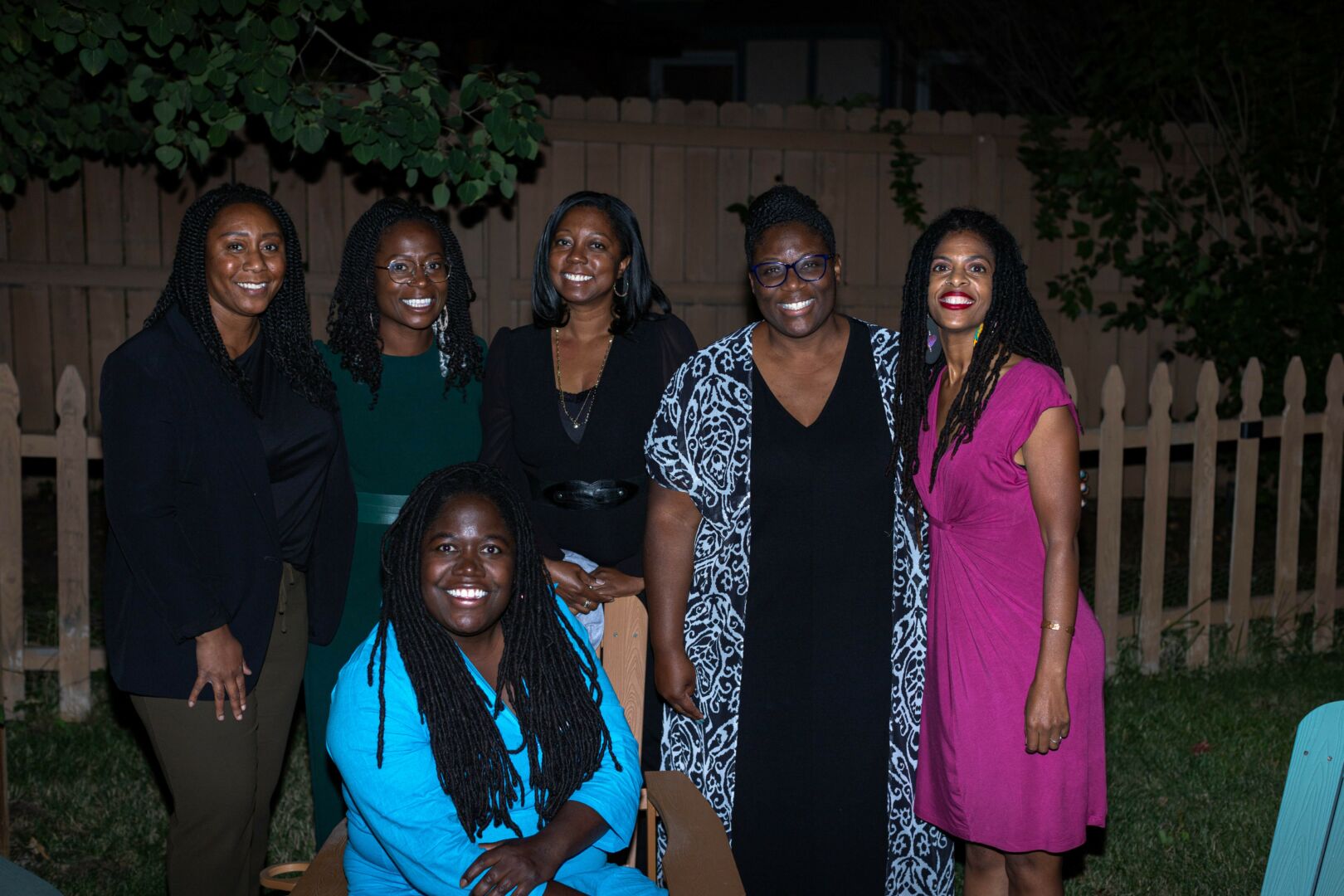
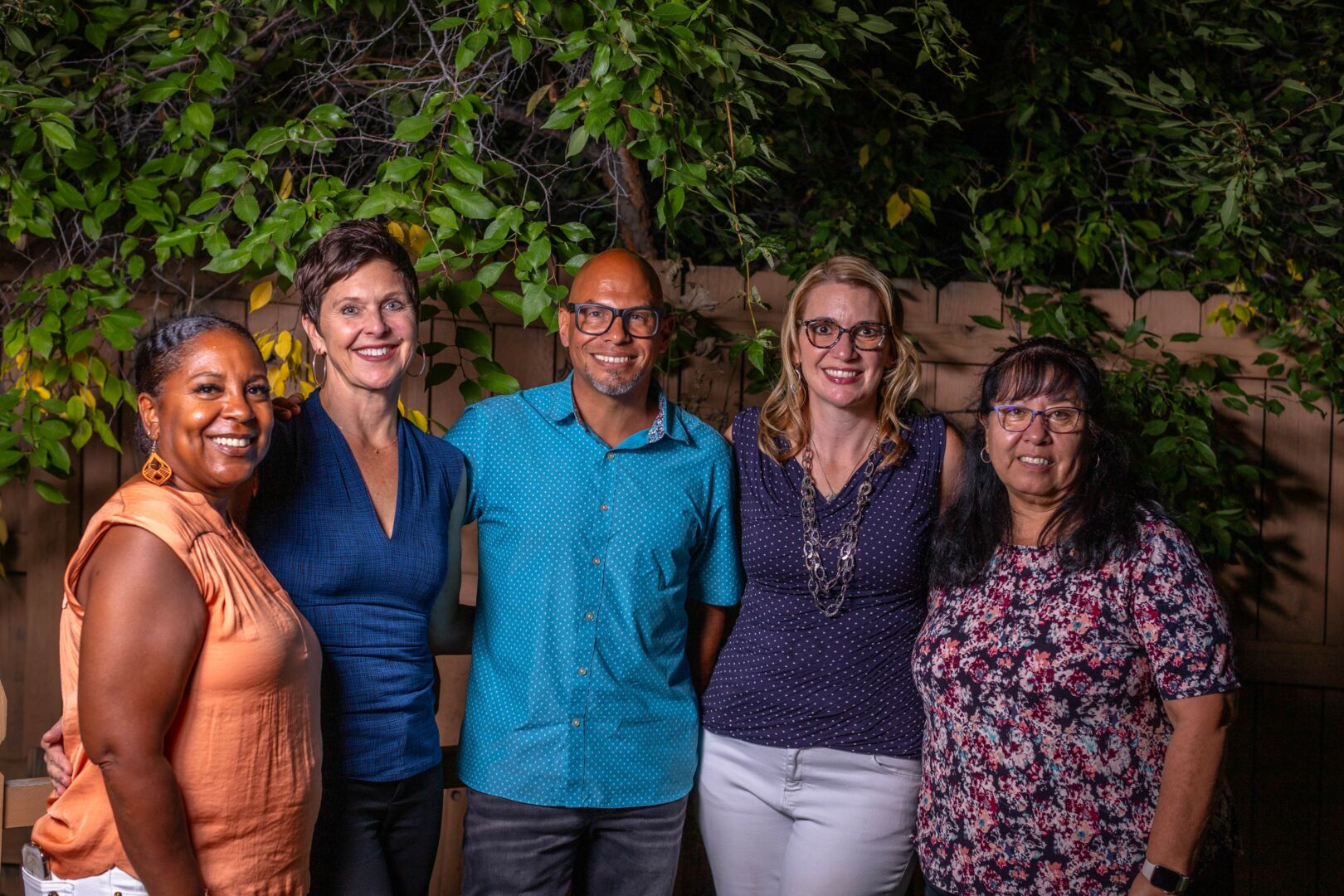
Image Credits
TrueLenses Photography