Meet Natalie Yon-Eriksson | Founder of www.earthandflax.com – a resource for healthy and traditional architectural products.


We had the good fortune of connecting with Natalie Yon-Eriksson and we’ve shared our conversation below.
Hi Natalie, what do you attribute your success to?
The major factor in the success of www.earthandflax.com is that we are in a niche market. It has started out with homeowners who did their own research and took on their own restoration projects. It is shifting more and more towards professionals and new construction. It is exciting and great example of grassroots, word of mouth growth. I personally prefer this rather old-fashioned approach. We get to research and test products, pick what we like to work with, and promote what we believe in. This is a huge privilege and ideal from a small business owner perspective. What we are always looking for are products with a long history of use, simple formulations with few ingredients, and as solvent and petrochemical-free as possible.
This is the foundation that our customers have come to rely on us for and is incredibly important to the success of our brand.
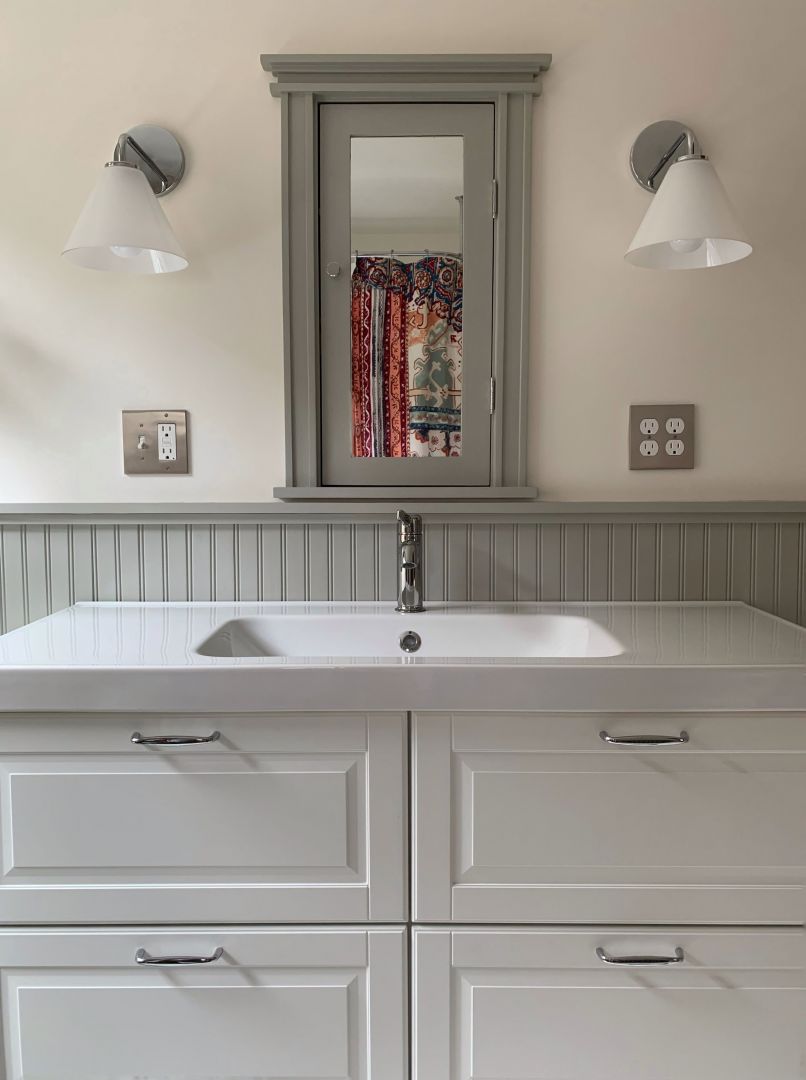
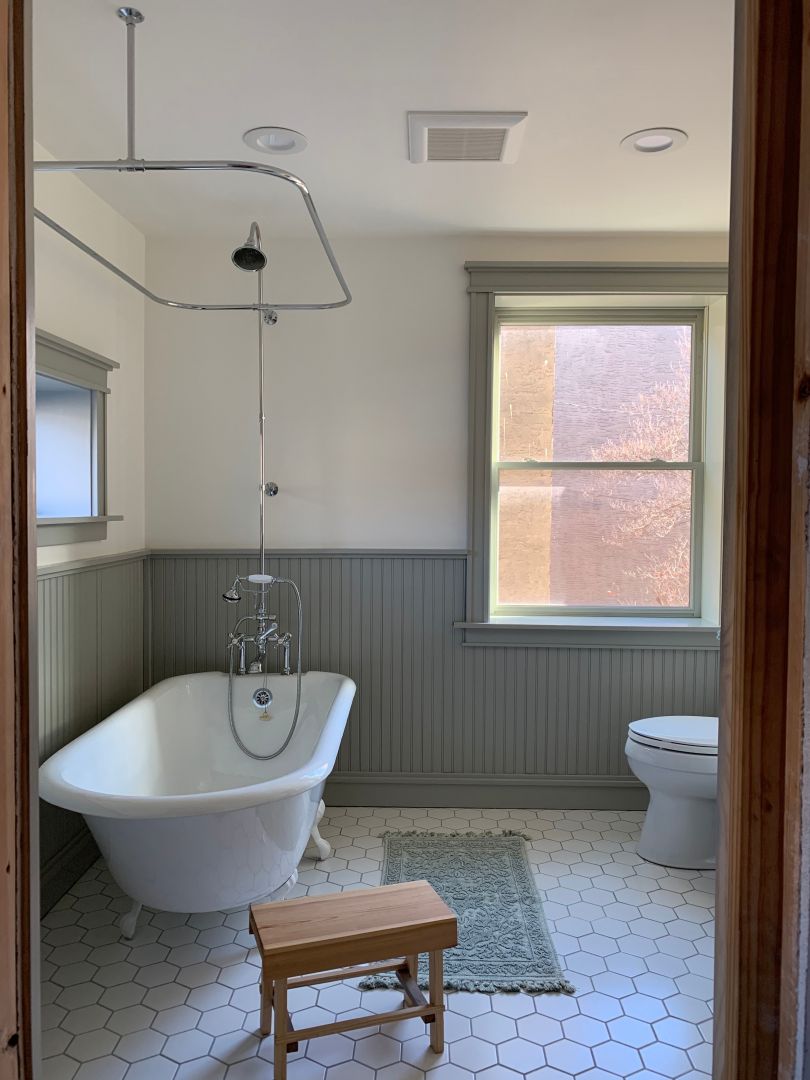
What should our readers know about your business?
After working within both the nonprofit and the corporate sectors, I really gained a reappreciation for the business I had grown up in. As a young person, I had been interested in historic preservation and architecture but did not see myself following in the family footsteps. Yet after my professional experiences as an adult, I began to understand how much potential existed in sharing traditional, healthy, environmentally friendly materials for the architectural industry in the USA.
Individuals and families are trying to purchase safer and better products for their homes but what is largely available is greenwashed petrochemical options that do not perform well in the long run.
There is so much frustration and confusion in this industry; an industry that is primarily influenced by manufacturers and their bottom line vs. what works well, what is safe to work with, and what is healthy to live with for the homeowner.
The health and environmental benefits of traditional finishes for both historic preservation and new construction has shaped the business, leading to my focus on material education for homeowners and professionals alike.
While I am not a parent, the work I do can heavily impact pediatric health. Children are some of the most harmed by poor material choices in our homes. Lead exposure in old homes is of course one of the biggest and most well known examples, a danger the industry was well aware of and used anyway until the late 1900s.
There are more recent examples of this with modern coatings and products that off gas and impact indoor air quality, increasing rates of pediatric allergies and asthma.
We are now also recognizing the serious concern posed by microplastics in air, water, and soil. Recent data shows more than 50% of microplastics in the oceans are coming from the paint industry alone.
I would love to see big changes made on this front and quickly but such change is notoriously slow. Instead, I try to focus on small changes as I do believe it will be a grassroots shift in our expectations as consumers that will make long lasting progress and improve our built environment for all.
It does sometimes feel like each of the projects we are involved in is just a drop in the bucket. There is just a massive amount of plastic paint being used and building practices that are not in a homeowners’ best interest. Healthier, traditional materials can take more time, care, and skill than people are accustomed to. To change habits in the industry is a slow, patient process. We plant the seeds of change and it is rewarding to see how the interest, excitement, and knowledge grows around the country.
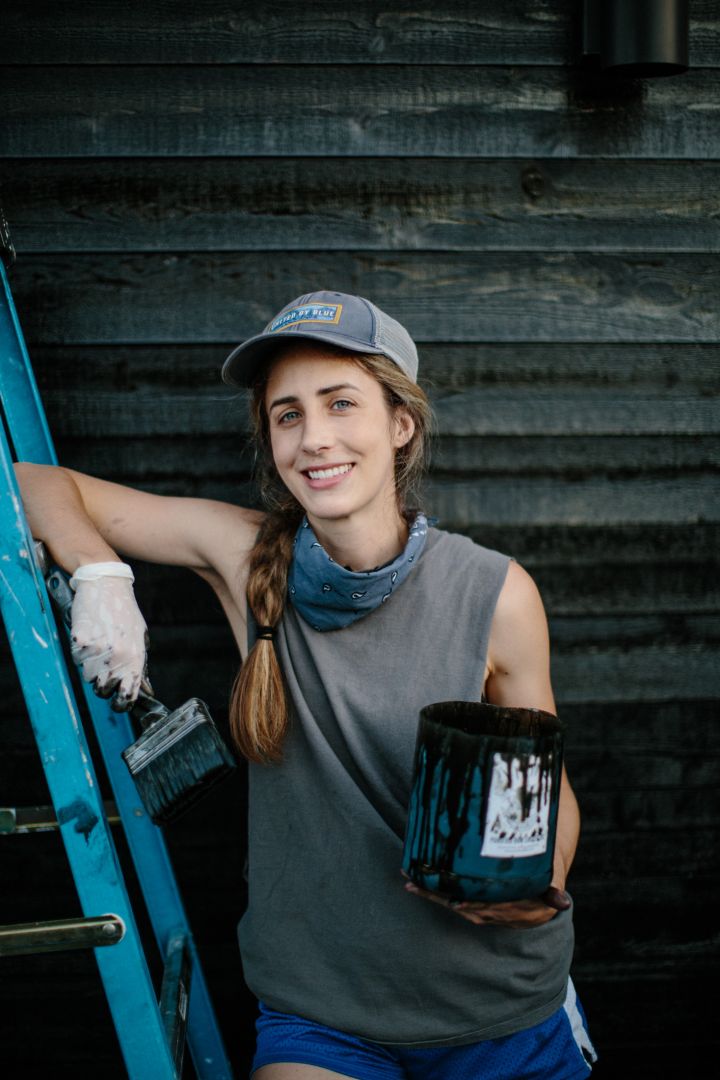
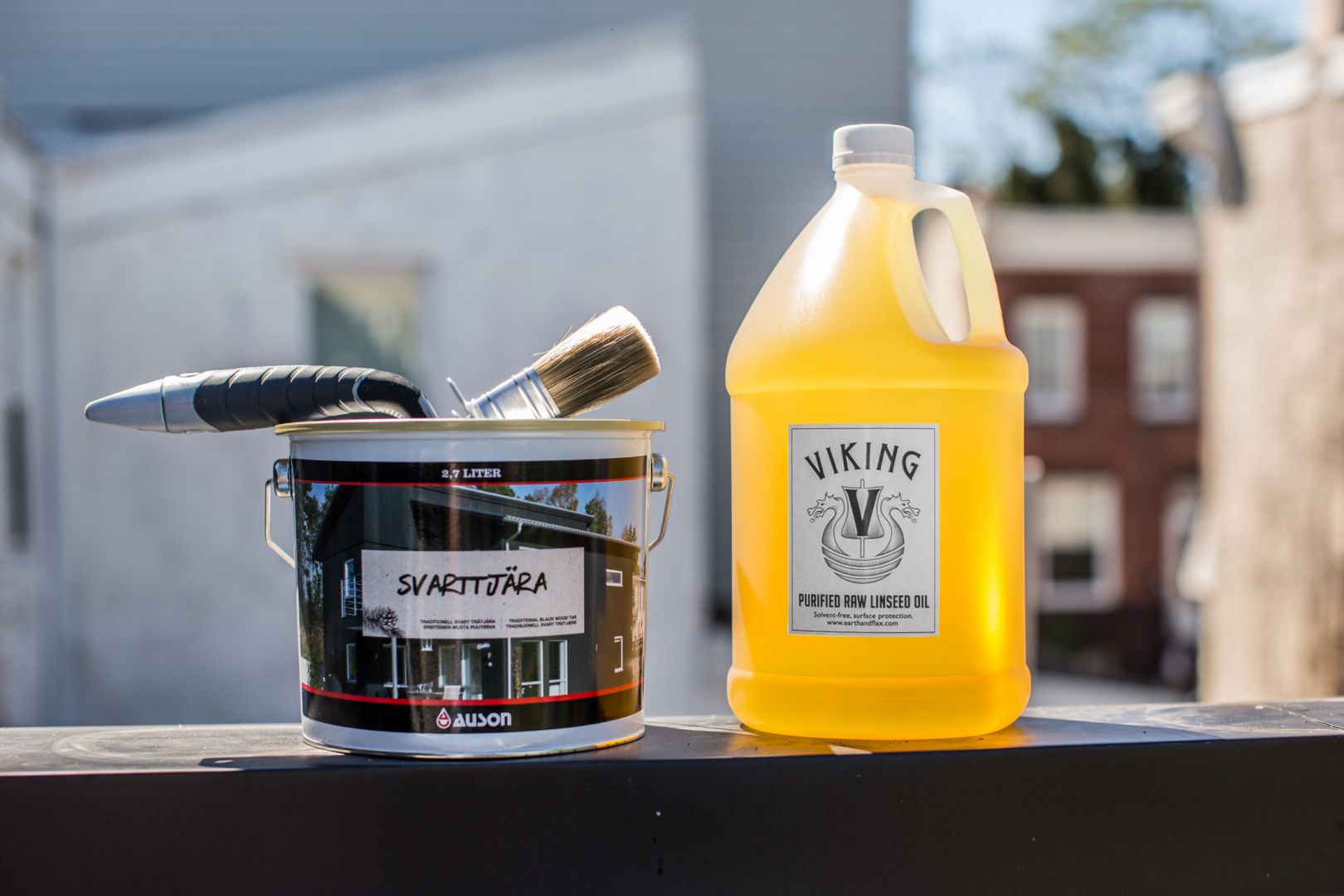
Who else deserves some credit and recognition?
The team at the Healthy Materials Lab at Parsons School of Design is a group of dedicated professors and students, working to create a comprehensive database for architects, designers, and anyone interested in materials to use as reference, shedding light on the importance of human health in the building industry.
Website: https://www.earthandflax.com/
Instagram: https://www.instagram.com/earthandflax/
Facebook: https://www.facebook.com/earthandflax
Youtube: https://www.youtube.com/@Earthandflaxstudio
Image Credits
Rocco Avallone https://www.roccoavallone.com/


