Meet Ryanne Giorgione | Practice Owner & Licensed Therapist

We had the good fortune of connecting with Ryanne Giorgione and we’ve shared our conversation below.
Hi Ryanne, what makes you happy? Why?
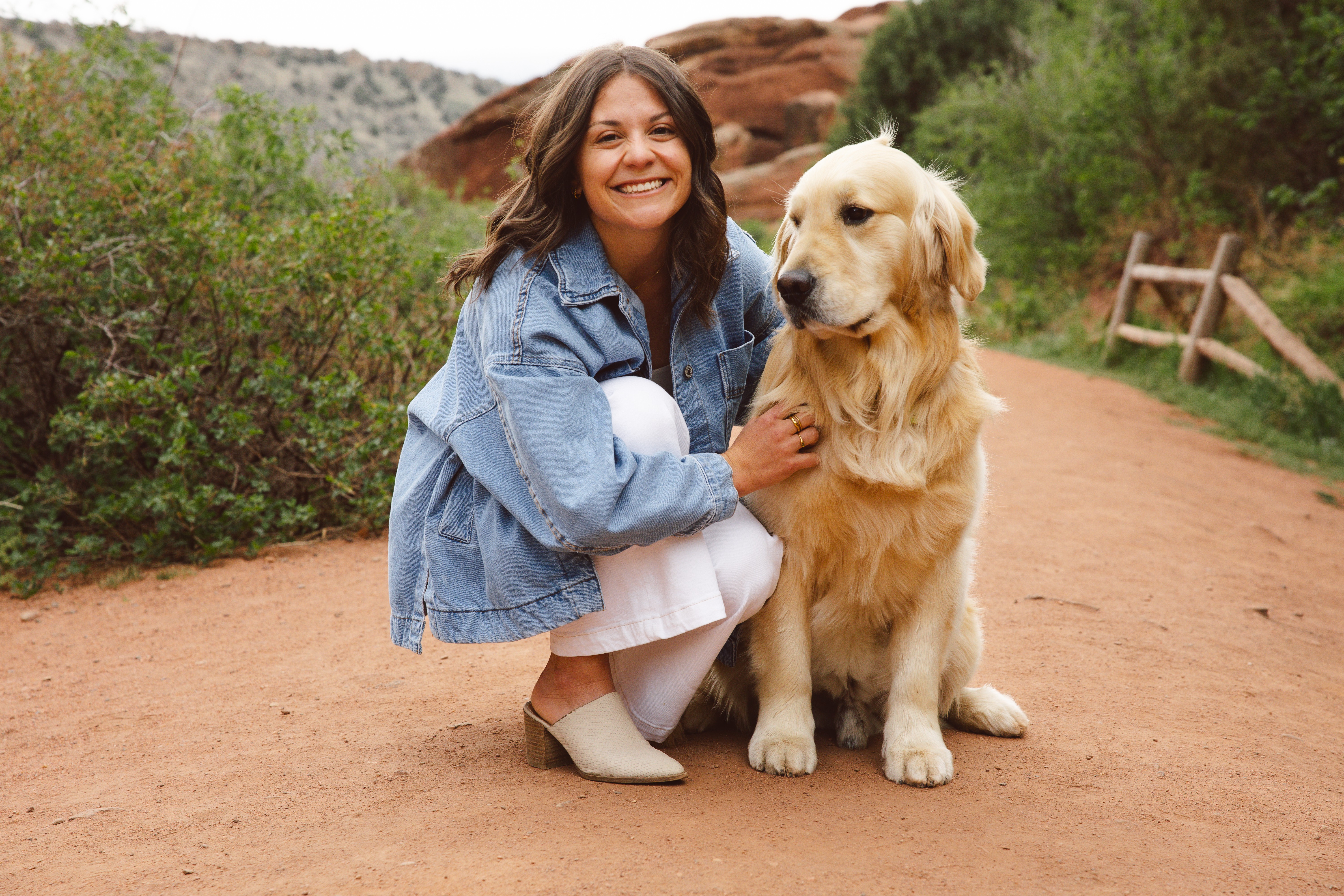
My golden retriever, Gus. I’ll admit I’m a little much when it comes to him, but I’ve always been a dog person, and he’s earned it.
Growing up, I absorbed the idea that life happened in a particular order: find a partner, get the dog, buy the house, start the family. As my twenties unfolded, I found myself both impatient with the waiting and quietly questioning whether I actually believed in that sequence. Eventually, I started reconsidering it altogether. I held off through college, grad school, and a few years beyond – until I was genuinely ready, both in headspace and circumstances, to do it on my own terms. When that moment finally came, I jumped in with both feet: a dog and a house within the same month, entirely on my own timeline.
Golden retrievers have always been my favorite breed, and I knew that’s what I wanted. When I began my search, I came across a breeder who mentioned she had a two-year-old male looking for a new home. My first thought was that he’d been returned for some reason. I was wrong. Gus, formerly named Dozer, had spent the first two years of his life as a show dog. Whether it’s actually true or not, I’ve always liked to think he knew that life wasn’t quite the right fit for him either. I drove out to a small town outside of Pueblo to meet him and knew almost immediately he was the one – sweet, gentle, and just goofy enough to keep life interesting. A month later, I brought him home.
It didn’t take long for us to fall into a rhythm together. We’ve been through several chapters of life since then, and I can’t imagine this one without him. Colorado is dog-friendly enough that he’s with me almost everywhere, and there’s something about having him around that keeps things steady. He has a knack for revealing his personality in the silliest, most unexpected moments. What I love most, though, is how easily he connects with people – family, friends, clients, and complete strangers alike.
Gus has become an important part of my therapy practice. Any client who works with me also works with him. He helps set the tone from the moment someone walks through the door, often building rapport before a word has been exchanged. He’s intuitive, frequently sensing when someone needs a quiet, calming presence before they’ve said anything at all. He’s useful in less obvious ways too: when he gets a little too comfortable or insistent about being pet, clients get a real, low-stakes opportunity to practice setting a boundary out loud. One of the most unexpected joys of building this practice has been watching a dog become such a meaningful part of so many people’s healing experiences.
When we’re not working, we’re usually in the mountains – hiking, camping, and splitting trail snacks. That’s where both of us are at our happiest.

Alright, so for those in our community who might not be familiar with your business, can you tell us more?
My business, Sequoia Counseling Collective, grew out of both clinical experience and a deep personal conviction that mental health care should feel more human, accessible, and relational. I’ve worked in systems where the care people received was often limited by insurance constraints, productivity demands, or burnout – on both the provider and client side. Over time, it became clear to me that many systems aren’t designed to support the kind of thoughtful, relationship-centered care that helps people create lasting change.
What sets my work apart is an emphasis on depth, context, and integration. I don’t see therapy as something that happens in isolation between appointments. It’s about understanding the full context of someone’s life – their relationships, patterns, experiences, and internal world. I also believe healing isn’t just about gaining insight; it’s about creating the conditions to live differently. Understanding yourself is important, but real change happens when that understanding can be translated into everyday life.
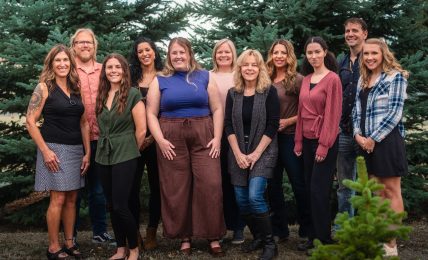
What also differentiates Sequoia Counseling Collective is the way I think about supporting clinicians. There are so many exceptional therapists doing meaningful work, but clients often struggle to find them, and many therapists find themselves navigating private practice alone. My goal is to create a community where therapists feel supported, connected, and able to thrive alongside one another. Solo practice can be incredibly rewarding, but it can also be isolating, and I think that’s one of the most under-discussed challenges in our profession.
That same belief in sustainability shapes how I’ve structured the business. I absorb much of the administrative and operational burden so therapists can focus on the work they do best while being compensated fairly for it. As we grow, my hope is to offer benefits like health insurance, which remains rare in the private practice world. None of this is about being different for the sake of being different. It’s about building something sustainable for the people doing the work, not just the people receiving it.
Getting here wasn’t linear or easy, and it still isn’t. Building something from the ground up required me to confront a lot of uncertainty around stability, identity, and whether I was “allowed” to do things differently than the systems I came from. Moving into full-time private practice, and eventually creating a collective model, required a great deal of trust – in myself and in the vision I was building.
What helped wasn’t a single breakthrough moment, but a combination of support systems and persistence. I leaned heavily on supervision, consultation, and community with other clinicians. I also had to learn to tolerate uncertainty rather than try to eliminate it – which, ironically, is something I help clients practice every day.
One of the biggest lessons I’ve learned along the way is that sustainability matters just as much as impact. If a system – whether it’s a business, a clinician, or a client’s life – isn’t sustainable, something eventually gives. That realization shaped how I built Sequoia Counseling Collective, with more attention to pacing, alignment, and the humanity of the people on both sides of the therapy room.
What I’m most proud of is not just what the business has become structurally, but what it represents. It’s a space where care can be thoughtful rather than rushed, where clinicians are supported rather than depleted, and where clients are met as whole people rather than diagnoses or time slots. I’m proud that it reflects a different way of thinking about what mental health care can be.
If there’s one thing I want people to understand about my story and my brand, it’s that this work has never been about building a business for the sake of building a business. It’s about creating spaces where people – clients and clinicians alike – can build lives that feel aligned with who they are. At its core, Sequoia Counseling Collective is rooted in the belief that meaningful change happens when people feel supported enough to grow. The practice is still evolving, the way I am, and I hope it always will.

Any places to eat or things to do that you can share with our readers? If they have a friend visiting town, what are some spots they could take them to?
I’m originally from San Diego, and I know the obvious reaction: why leave? The truth is, I’d started to feel stunted there and wanted a different pace of life. Denver had been on my mind for years, and when I finally made the move, it felt like stepping into a version of life that fit me better. The itinerary below is essentially a snapshot of how I spend my free time now – equal parts movement, good food, local businesses, mountain views, and time with people I care about. If we had a second week, I’d take them deeper into the mountains. But for a first visit, this feels like Denver at its best.
Day One: A stroll up Tennyson, hitting Bakery Four for the best pastries, Dame to keep up with the fashion trends, and Feral for the ultimate Colorado shopping experience. We head to Wash Park for some volleyball and a picnic, then hop between Denver Beer Co and Cerebral Brewing for beers and a bite to close out the night.
Day Two: Start with the best chai tea latte from Rivers and Roads, followed by a morning of yoga at The River, then a farmers market picnic for lunch. In the afternoon we paddleboard Chatfield’s smaller lake, and we close the day with drinks and hot dogs at Yacht Club.
Day Three: Step and pilates at Bodied to start the day off strong, followed by a stop at Hearth for coffee and more great pastries. We catch a game depending on the season – Avs, Rockies, or Nuggets.
Day Four: We venture to Golden for the day. We go on a hike, followed by afternoon lounging along Clear Creek. We catch the sunset at Inspiration Point Park on the way back – one of the best views in the city, and an underrated way to end a day.
Day Five: Red Rocks is the only thing on the agenda, but it’s a classic for a reason, and no first-time visitor should skip it.
Day Six: A day trip out to Nederland for a hike, hopefully a moose sighting, and because Crosscut is worth the drive. Back in Denver, we treat ourselves to dinner – Uchi if we’re craving sushi, Safta if we want Mediterranean.
Day Seven: We get to it with a spin class at Ritual, followed by bagels at Rich Spirit. We leave room for spontaneity for the rest of the day, then close out with happy hour at Room for Milly and dinner at Tavernetta.
My goal by the end of the week is for my friend to understand exactly why I left San Diego for this, what it feels like to build a life that actually fits you, and maybe convince them to move here too.
Who else deserves some credit and recognition?
I have a hard time answering this question with just one name because I don’t really believe any of us are the product of a single person, book, or defining moment. One of the things both life and therapy have taught me is how interconnected our experiences are. We are constantly being shaped by relationships, opportunities, challenges, conversations, and lessons that build on one another over time. The person I am today is the result of countless people leaving fingerprints on my life.
Professionally, I owe a great deal to the mentors, supervisors, and colleagues who’ve supported my growth within this profession. Each of them has challenged my assumptions, expanded my perspective, and helped me become a better therapist, business owner, and human being. Some taught me through guidance, others through collaboration, and many simply through the example they set.
As a lifelong bookworm, reading has shaped how I think about myself, my work, and the world around me. Books have often served as doorways to new ideas and catalysts for meaningful conversations. A few within the therapy realm that stand out are Untamed by Glennon Doyle, Maybe You Should Talk to Someone by Lori Gottlieb, and The Happiness Trap by Russ Harris. These authors didn’t just resonate with me – they challenged me to think differently about authenticity, growth, and the kind of life I wanted to build, often at moments when I was questioning what came next.
On a more personal level, my family has played an enormous role in who I’ve become. My sister has spent years lovingly challenging my tendency to overthink and reminding me that not every decision requires endless analysis. My partner encouraged me to take the final leap into full-time business ownership when fear and uncertainty were trying to keep me comfortable. And my dad has probably received more late-night phone calls with questions, ideas, and hypothetical scenarios than anyone else in my life. No matter how big or small the problem, he’s always been willing to listen, think it through with me, and offer his perspective.
Among the many people who’ve shaped me, the clients I’ve had the privilege of working with deserve special recognition. Therapists are often viewed as the ones doing the teaching, but the truth is that I learn something from my clients every day. Watching people navigate fear, grief, uncertainty, and change with honesty and courage has profoundly shaped how I understand resilience, growth, and what it means to be human.
More than anyone, I want to recognize my community. My story isn’t the result of any one influence – it’s a mosaic of people, experiences, and lessons that have shaped how I move through the world. I think that’s true for most of us.
Website: https://www.sequoiacounselingcollective.com
Instagram: https://www.instagram.com/sequoiacounselingcollective
Linkedin: https://www.linkedin.com/in/ryanne-giorgione-11b26940b
Other: Gus’ Instagram: https://www.instagram.com/therapy.dog.gus

Image Credits
High Camp Photography