Meet Sloane Milstein | Artist: Photography and Woodworking


We had the good fortune of connecting with Sloane Milstein and we’ve shared our conversation below.
Hi Sloane, we’d love to hear more about how you thought about starting your own business?
Earning Every Frame: My Unscripted Path to Purpose
Some people follow a linear path. Mine has always been shaped by a combination of personal interests and practical necessity. I’ve worked in multiple industries and held a variety of roles—always with one eye on job security. Supporting myself was non-negotiable, which often meant choosing stability over freedom.
Don’t get me wrong—I’ve been fortunate to engage in work I’ve loved. But if I’m being honest, I always dreamed of pursuing photography full-time. I’ve always straddled both worlds: I love being outdoors just as much as I enjoy working at a computer, organizing events and projects. If I could go back, I’d give myself permission to make things—to create.
Back then, a career in art felt unrealistic, and photography seemed too risky. I never even considered art as a career because I didn’t associate myself with being an artist. That started to shift during my Senior Boots project, where I documented Texas A&M military cadets and their horses. It was the first time I realized that structure and organization—traits I had long seen as separate from creativity—could actually show up in my art. Within the order of drill practice and mounted formations, I began to see images come to life.
Taking one good photo led to another, and then another—until I had a full collection of over 100 photographs that I could truly be proud of. That body of work helped me see that being an artist doesn’t have to look a certain way. It can come from repetition, rhythm, and trust in your eye.
My older, wiser self now knows—I’ve always worked hard, and I would’ve figured it out. I’ve also learned that the saying, “don’t turn your passion into your job—you’ll grow to hate it,” doesn’t always apply. Maybe I would have, or maybe, like now, I would’ve just pivoted and done something else. That’s the beauty of reinvention—it’s always available.
In 2024, I made the leap that many dream about but few execute. After decades as a professor and equestrian professional, I stepped away from institutional expectations to forge a new chapter—one that integrates my love for photography, my connection to horses, and my desire to work in alignment with my values. I launched Mustang West Artists, a creative business grounded in visual storytelling, education, and grassroots impact.
1. What was your thought process behind starting your own business?
I wanted freedom—to create, connect, and contribute without bureaucracy stifling innovation. Starting Mustang West Artists allowed me to blend my diverse skills into one cohesive mission: to honor wild horses, document life in the American West, and support others in finding their creative voice. It wasn’t just a business decision—it was a personal one.
2. Do you have a budget? How do you think about your personal finances and how do you make lifestyle and spending decisions?
After losing two important people in recent years, I was left a small inheritance meant to help me pursue my dreams. I’m not wealthy, but it gave me some breathing room.
I’ve always budgeted carefully—I’m someone who needs to feel financially secure. This year, I’ve allowed myself to worry a little less. While I’m not giving financially as much as I used to, I’m giving my time through projects like Art of the Mustang. It’s a year of intentional risk, rooted in gratitude and purpose.
3. Risk taking: how do you think about risk, what role has taking risks played in your life/career?
I tend to take calculated risks—thoughtful decisions rooted in both gut instinct and preparation. Every meaningful chapter of my life has involved some kind of leap: leaving a tenured position, fostering wild horses, launching a creative business. These choices weren’t reckless—they were intentional shifts toward the life I want to live.
To me, risk is less about fear and more about alignment. I weigh the variables, then trust myself to figure it out. Each time I’ve stepped into uncertainty, it’s brought me closer to purpose and possibility.
4. Where are you from and how did your background and upbringing impact who you are today?
I’m originally from Philadelphia, though I often say I’m directionally challenged—geographically and otherwise. My path has taken me through New Mexico, back to Pennsylvania, Connecticut, and Texas, but Colorado is the first place I chose just for me. Every move before was tied to school, work, or training—this one was about intention.
I grew up working in my family’s bar, which taught me how to work hard and connect with people. My years as an athlete, coach, and professor gave me structure and resilience.
Now, I embrace the wandering. I used to fear getting lost—now I see it as part of the process. Not all who wander are lost… some of us are just finding our way home.
5. What is the most important factor behind your success / the success of your brand?
Credibility. If I say I’m going to do something, I follow through—even when it costs me personally. That level of accountability has shaped my relationships, my reputation, and the way I work. Whether I’m volunteering, photographing, organizing, or creating—I show up.
Over time, that consistency builds trust. People know I will deliver, I will care, and I will do the work the right way. I think that’s rare—and I think it’s part of why people come back to collaborate, support, or share what I create.
Connection may be what people see, but credibility is the foundation that makes it possible.
6. What value or principle matters most to you? Why?
Fairness and alignment—with both my values and, when relevant, the rules.
I’ve always tried to make decisions that reflect what I believe in, even when they’re not popular. When I was teaching sport management, a student once asked about making tough officiating calls. I explained that I’ve made decisions based on the rulebook and the intention of the rule—knowing it could mean I wouldn’t be invited back to that event or competition. But on those same days, I’d often get calls or messages from others who respected the choice and wanted to work with someone who valued fairness over favoritism.
What’s “right” can mean different things to different people, but I aim for consistency, equity, and staying true to the standards I believe in. That’s where I find clarity—and credibility.
7. Work-life balance: how has your balance changed over time? How do you think about the balance?
While I’m engaging in more projects and priorities than ever, I wouldn’t say I’ve achieved work-life balance—at least not in the traditional sense. This year has been a season of volunteerism and growth. I’ve taken on the role of volunteer coordinator for Art of the Mustang, an art fair that supports wild horse adoption in Grand Junction, Colorado, this June. Though I bring the skills needed, the time commitment has been overwhelming.
Still, I know this work matters. It’s deeply aligned with my purpose. And I’m learning that balance isn’t about doing less—it’s about knowing when to pause. My reset will come in late June or early July, when I can reflect, realign, and restore a more sustainable rhythm.
And through it all, Slick—my four-legged sidekick—reminds me to step away from the screen, go outside, and find joy in simple routines. Whether it’s a beach walk, a muddy hike, or just snoozing next to me while I work, he’s a grounding presence in this busy chapter. As an animal person, it’s hard to spend so much time in an office—Slick’s reminders help keep me connected to what matters most
8. What’s the end goal? Where do you want to be professionally by the end of your career?
My goal is to leave a legacy of resourceful creativity and meaningful connection. I want to show that it’s never too late to shift paths, take risks, and create something that matters.
9. Why did you pursue an artistic or creative career?
I loved teaching—first in the arena, then in the classroom. But over time, the repetition, the institutional pressures, and the weight of others dropping the ball started to wear me down. It wasn’t just professional exhaustion—it became personal. My ability to recover was affected, and I knew something had to change.
I began gravitating toward creative work and spending more time with wild mustangs. At first, it was therapy—quiet, meaningful time that asked nothing of me but presence. But gradually, that space gave me a second wind. Photography, woodworking, and volunteering became more than hobbies—they became how I healed, how I connected, and how I rebuilt.
I never set out to become an artist. But when the path opened, I was finally ready to take it.
10. Tell us about a book you’ve read and why you like it / what impact it had on you.
Three books have profoundly influenced my journey: Big Magic by Elizabeth Gilbert, It’s Never Too Late to Begin Againby Julia Cameron, and The Happiness of Pursuit by Chris Guillebeau.
I read Gilbert’s and Cameron’s books shortly after my father’s passing, during a period of deep reflection about leaving academia. Big Magic reminded me that the creative path doesn’t have to be perfect or linear; it encouraged me to embrace the “messy middle” and trust my instincts. Cameron’s work gave me permission to start over—to view reinvention as the beginning of something wide open and full of possibility.
The Happiness of Pursuit was a reread from years earlier that I stumbled upon during a soul-searching trip. Guillebeau’s exploration of personal quests reignited my desire to pursue meaningful challenges, reinforcing the idea that the pursuit itself brings fulfillment.
Together, these books helped me reframe midlife not as a closing chapter, but as the beginning of something expansive and full of potential.
Closing Thought:
I’m still a work in progress—balancing purpose with rest, creativity with discipline. But I wouldn’t trade this season of growth for anything. It’s wild, wonderful, and beautifully mine.

Alright, so let’s move onto what keeps you busy professionally?
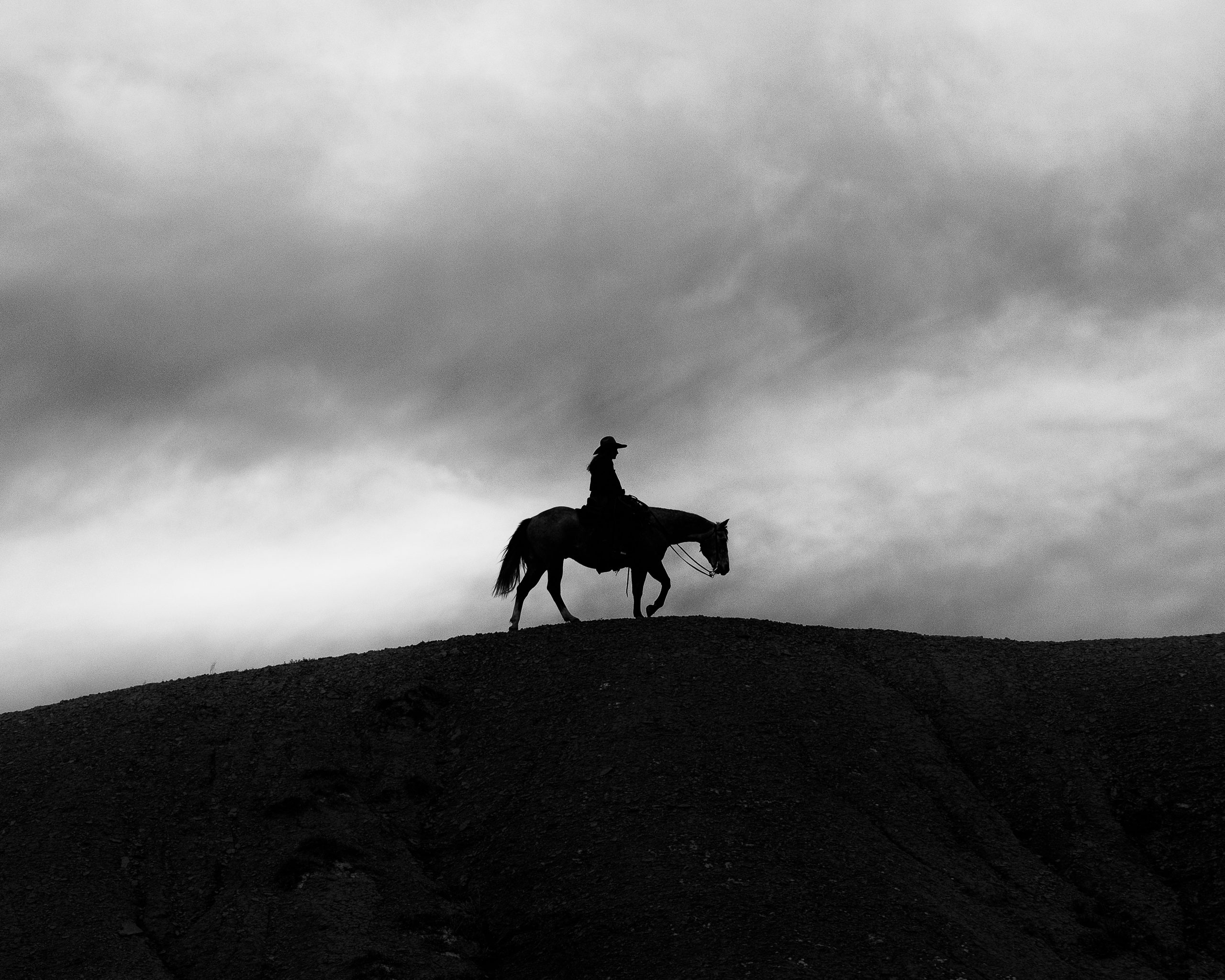
My art is rooted in storytelling, connection, and reclamation. Through photography and community-based work, I aim to document the raw, honest beauty of the American West—especially wild mustangs—and spark conversations about place, identity, and purpose. You can explore my work at www.SloaneMilstein.com.
What sets my work apart is the balance of structure and spontaneity. I bring the precision of my past careers and skills into every shoot, but the stories that unfold are unscripted and deeply personal. While I often pair my photos with short written narratives, I consider myself a visual storyteller. I believe a single image can carry the weight of a thousand words—or more.
Whether I’m photographing mustangs on the range, capturing environmental portraits, or documenting grassroots events, I’m drawn to the quiet moments that speak volumes.
Getting here wasn’t easy. Transitioning from a tenured academic role to a creative life required risk, sacrifice, and deep introspection. . My tendency has always been to prioritize financial security—even at the expense of happiness. But I’ve learned—sometimes the hard way—that when I ignore joy or purpose for too long, I begin to unravel. That lesson has come around more than once, and I finally understand its weight. Reinvention is always possible—and often necessary. My path hasn’t been linear, but it has been honest.
I want the world to know that Mustang West Artists is more than a brand—it’s an evolving lifestyle rooted in intention. I’ve long envisioned a life where my passions—working with horses, creating art, and volunteering—fill my days. I’ve wrestled with the question: is that living to work? But I’ve come to believe it’s something else entirely. I don’t want a full-time job—I want a full life. One where meaningful work and personal purpose naturally intersect.
It’s about resourceful creativity, storytelling with purpose, and honoring the beauty in what’s often overlooked. My story is one of resilience, clarity, and the belief that it’s never too late to build something meaningful.
Let’s say your best friend was visiting the area and you wanted to show them the best time ever. Where would you take them? Give us a little itinerary – say it was a week long trip, where would you eat, drink, visit, hang out, etc.
Grand Junction & Western Slope Itinerary
Here’s a weeklong adventure through Grand Junction and Colorado’s Western Slope—a region full of rugged canyons, vibrant art, and local flavor. This itinerary blends my love for the outdoors, horses, art, and quirky gems. It’s all about connection: to place, to people, and to the wild things that make this area so special.
Day 1 – Welcome to the West
Morning: Start your day with breakfast at Main Street Bagels.
Midday: Take a scenic drive through Colorado National Monument, then head west to explore Fruita.
Lunch: Grab pizza or a fresh salad at the always-popular Hot Tomato.
Afternoon: Wander downtown Fruita; stop in to say hi to Pattie and browse my merchandise at Cowboy Mercantile.
Evening: Return to Grand Junction for a peaceful sunset stroll along the riverfront at Las Colonias Park.
Day 2 – Wild Horses & Open Ranges
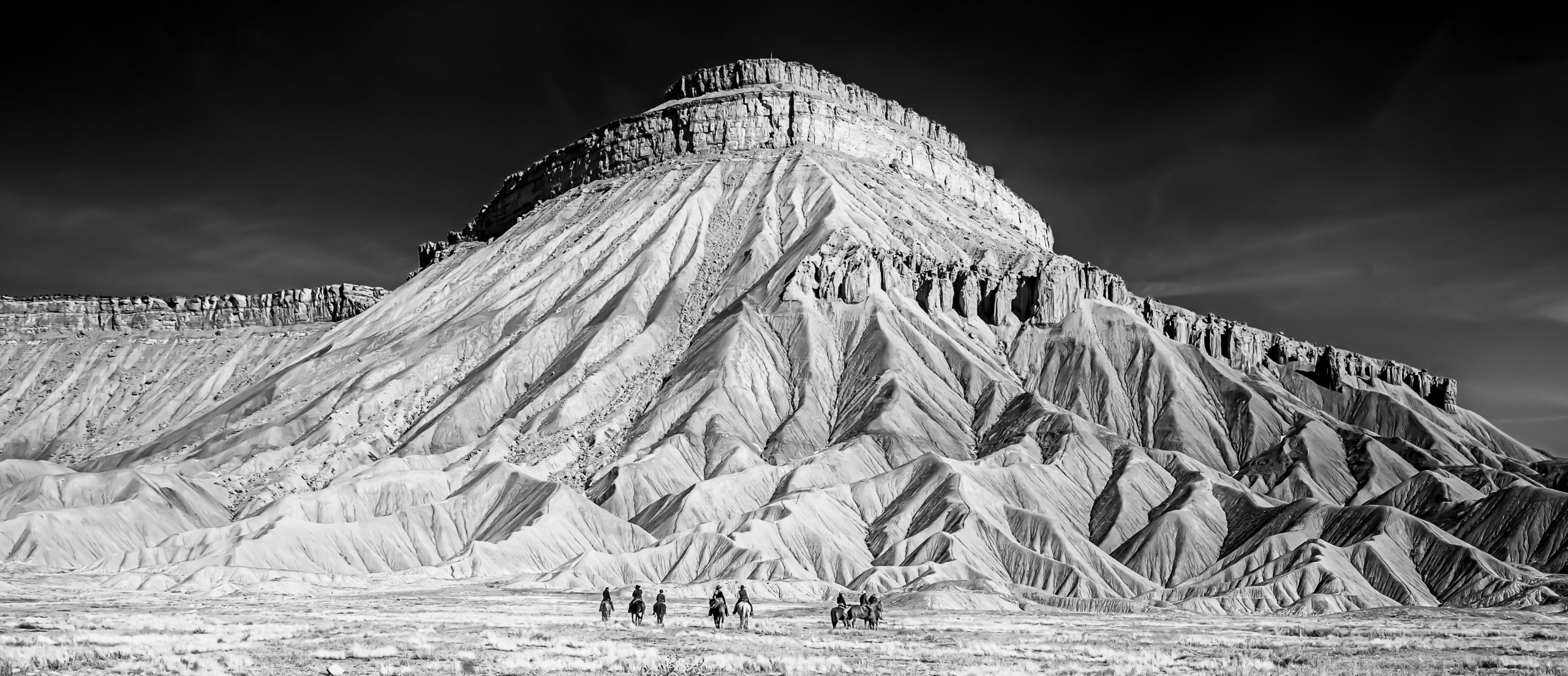
Early Morning: Pack snacks and drive out to the Little Book Cliffs Wild Horse Range. If you’re short on time, visit the Cameo entrance; if you have a 4WD and some extra time, head in through the De Beque side. Be sure to check the weather and visit www.FriendsoftheMustangs.org for advice on where and when to spot the horses.
Midday: Stop at the general store in De Beque to pick up some wild mustang souvenirs.
Late Afternoon: Enjoy lunch at Fidel’s Cocina & Bar in Palisade.
Evening: Wrap up the day with dinner and sunset at Ocotillo in Grand Junction—reserve a firepit table for the best views.
Day 3 – Art + Agriculture
Late Morning: Grab breakfast at The Artful Cup in Palisade, then stop by The Blue Pig Gallery to view some of my work.
Afternoon: Explore Palisade’s local galleries and mercantile shops. Visit a winery or two—many offer great food, even if you’re not a drinker.
Evening: Return to Grand Junction for an evening stroll. Explore the Art on the Corner sculpture exhibit and catch a show at one of the local theaters.
Day 4 – Canyon Views & Local Finds
Morning: Begin with breakfast at Dream Café, then explore the shops, murals, and galleries of downtown Grand Junction.
Lunch: Choose between tacos at Taco Party, a casual brew and bite at Trail Life Brewing, or a fresh, healthy meal at Cafe Sol—all offer great vegetarian and vegan options.
Afternoon: In summer and fall, consider a town float—kayaking, rafting, or paddleboarding.
Evening: Grab dinner at Edgewater Brewery or Handlebar Tap House—both casual and crowd-pleasing.
Day 5 – Day Trip to the Mountains
Take a day trip to Glenwood Springs or Ouray for alpine charm and relaxing hot springs. Don’t forget your swimsuit and camera.
Day 6 – Climbing & Scenic Escapes
Climbers might consider scaling the iconic Independence Monument in Colorado National Monument or Unaweep Canyon.
For a more relaxed outing, try a hike followed by lunch at the stunning Gateway Resort.
If you’re just starting out or want to try climbing in a safe and supportive environment, contact Grand Valley Climbing for a structured indoor climbing experience.
Finish the day with a relaxing evening catching up with friends.
Day 7 – Slow Down Sunday
Morning: Try a yoga session, then browse the Downtown Farmers’ Market.
Afternoon: Reflect on your trip, explore any missed spots, and prep for the journey home—or start planning your next visit.
Whether it’s a trailhead, a dusty side road, a quiet coffee shop, or a herd of wild horses on the horizon, this region gets under your skin in the best way. It’s rugged, soulful, and rich in stories—and I love sharing it.
The Shoutout series is all about recognizing that our success and where we are in life is at least somewhat thanks to the efforts, support, mentorship, love and encouragement of others. So is there someone that you want to dedicate your shoutout to?
To Conrad Earnest – My Creative Catalyst
My shoutout goes to the late Conrad Earnest—a brilliant photographer, mentor, and friend who believed in me before I believed in myself. While he respected me as a fellow academic, he often told me the academic world didn’t deserve me. Conrad pushed me to embrace the creative life on my own terms, to trust my eye, and to see photography not just as a passion but as a path.
He was there for every photo show—editing my artist statements, helping me hang work, and even staying to clean up after the crowds had gone. When he passed, he gave me the most precious gift: time. Time to make, to focus, to breathe.
An extraordinary photographer in his own right, I wish he were here to share in the success we worked toward together. His influence is everywhere in my work, and his spirit is with me every step of the way. I’m forever grateful.
Website: https://www.MustangWestArtists.com
Instagram: MustangWestArtists
Linkedin: Sloane Milstein
Facebook: MustangWestArtists
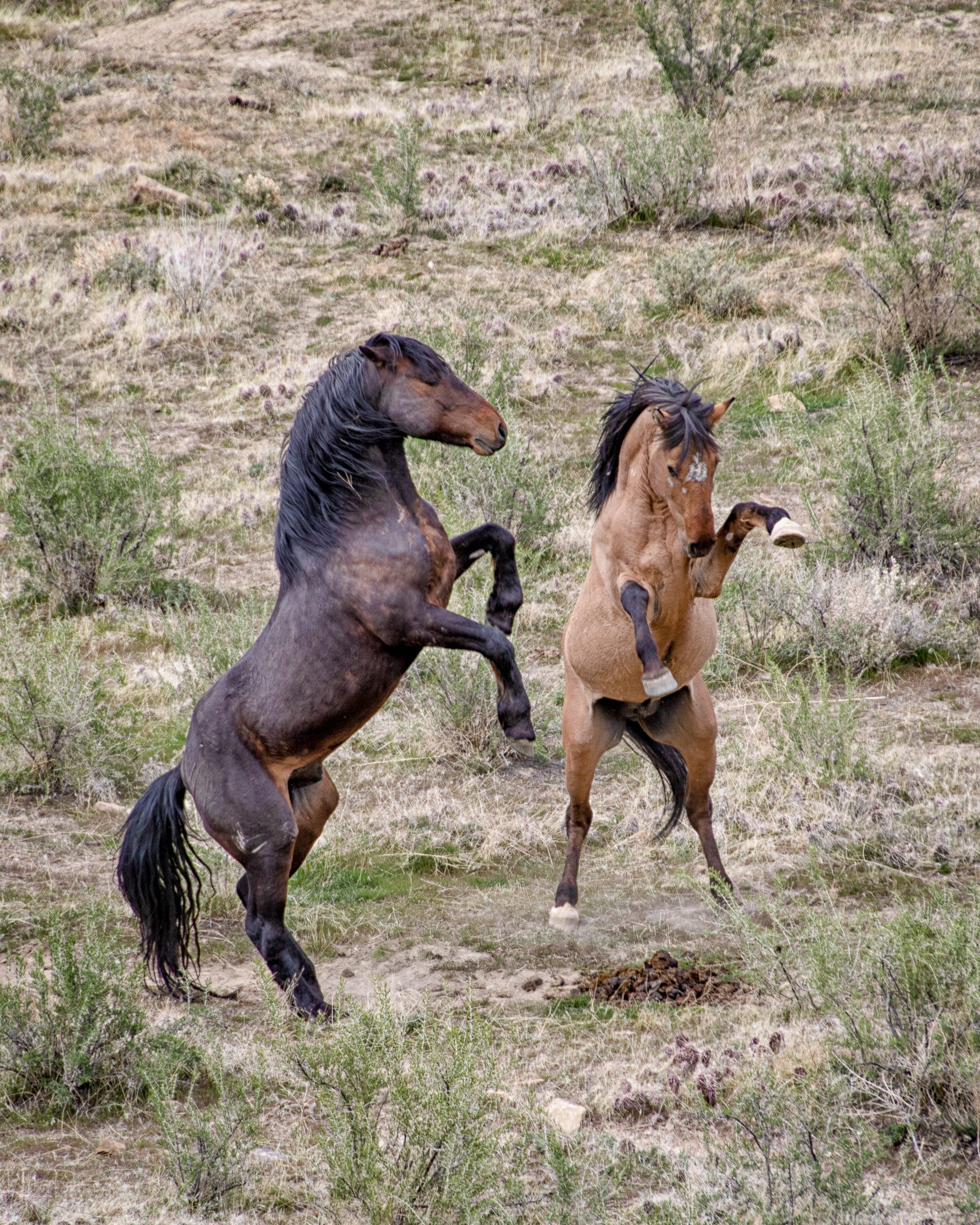
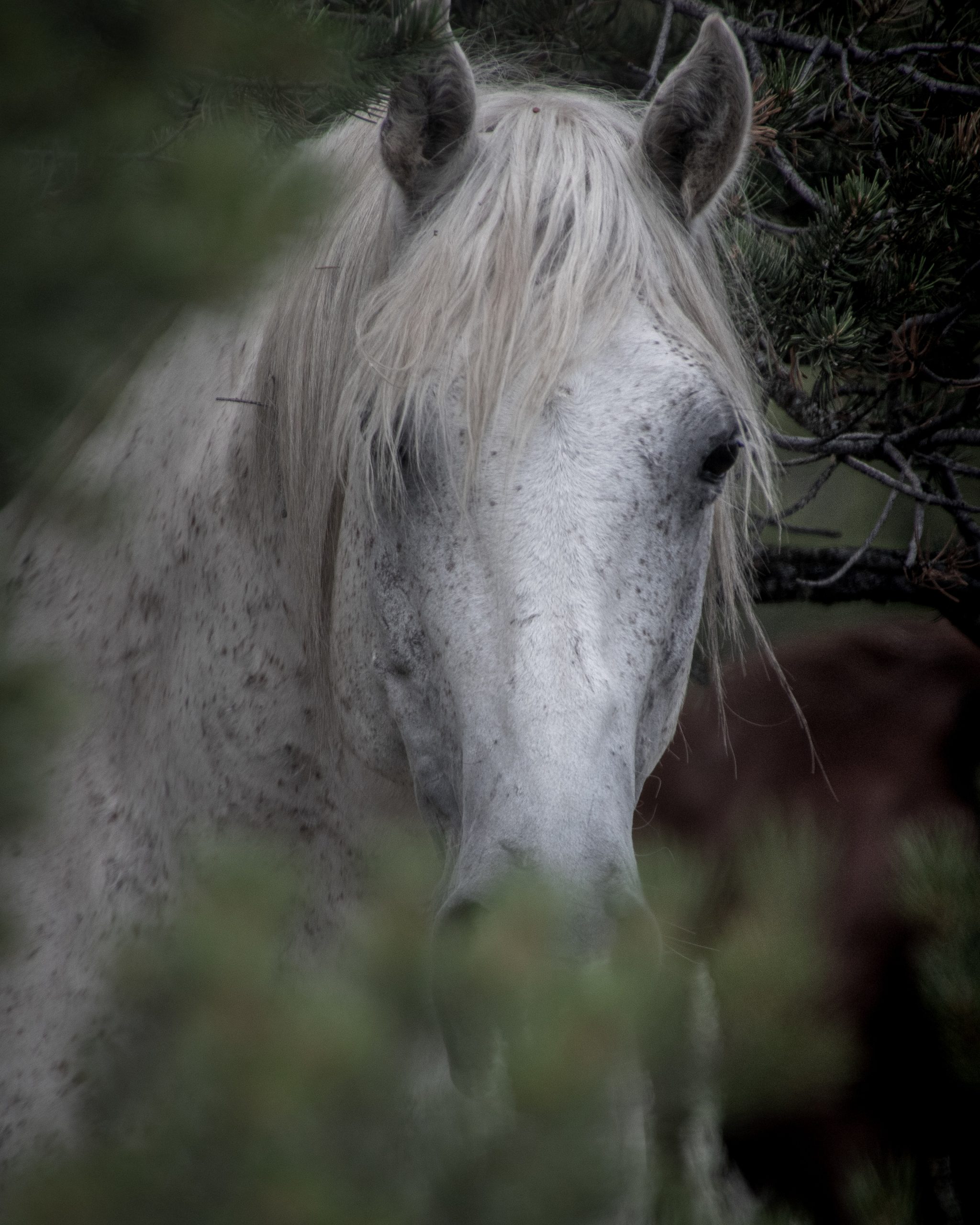
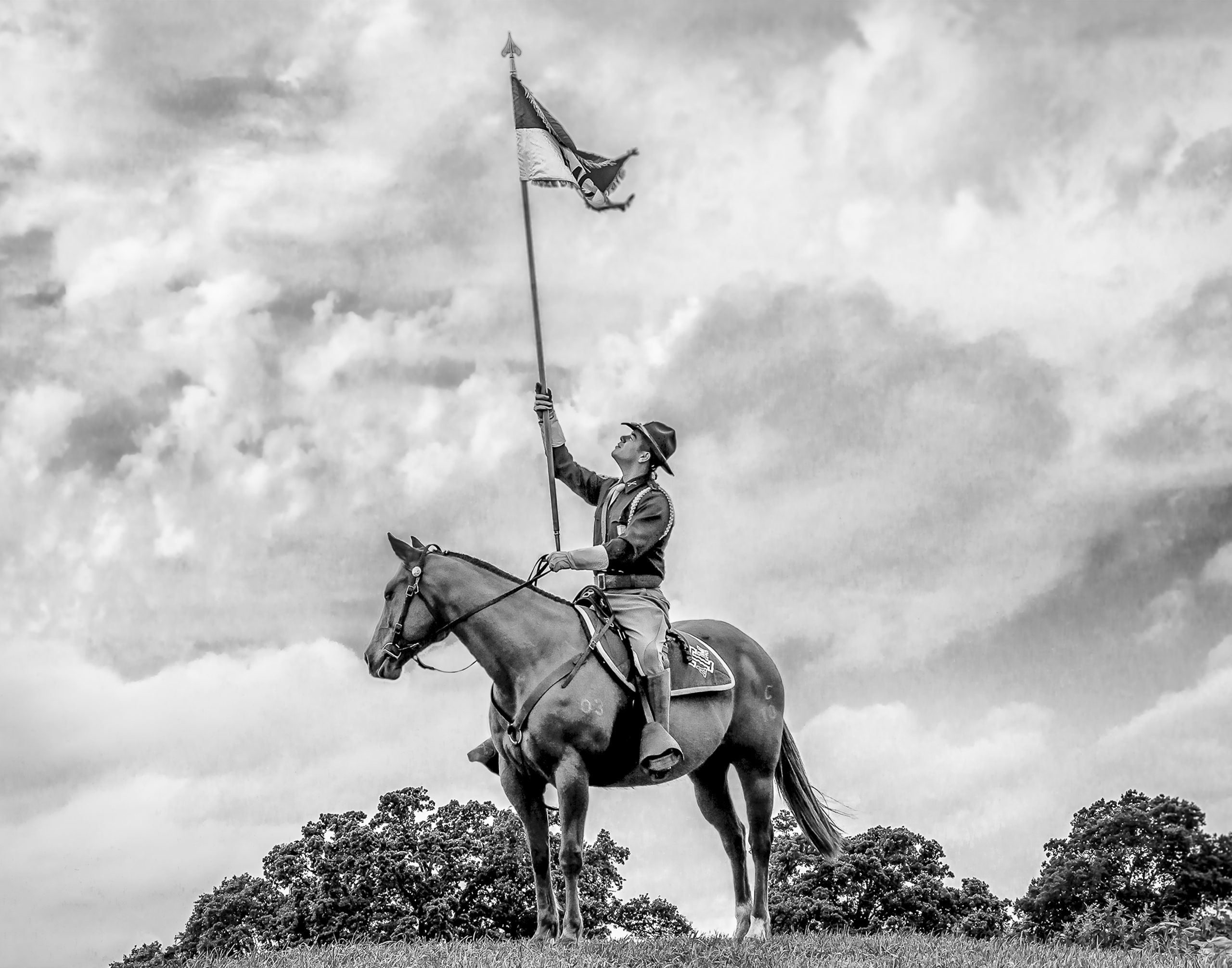

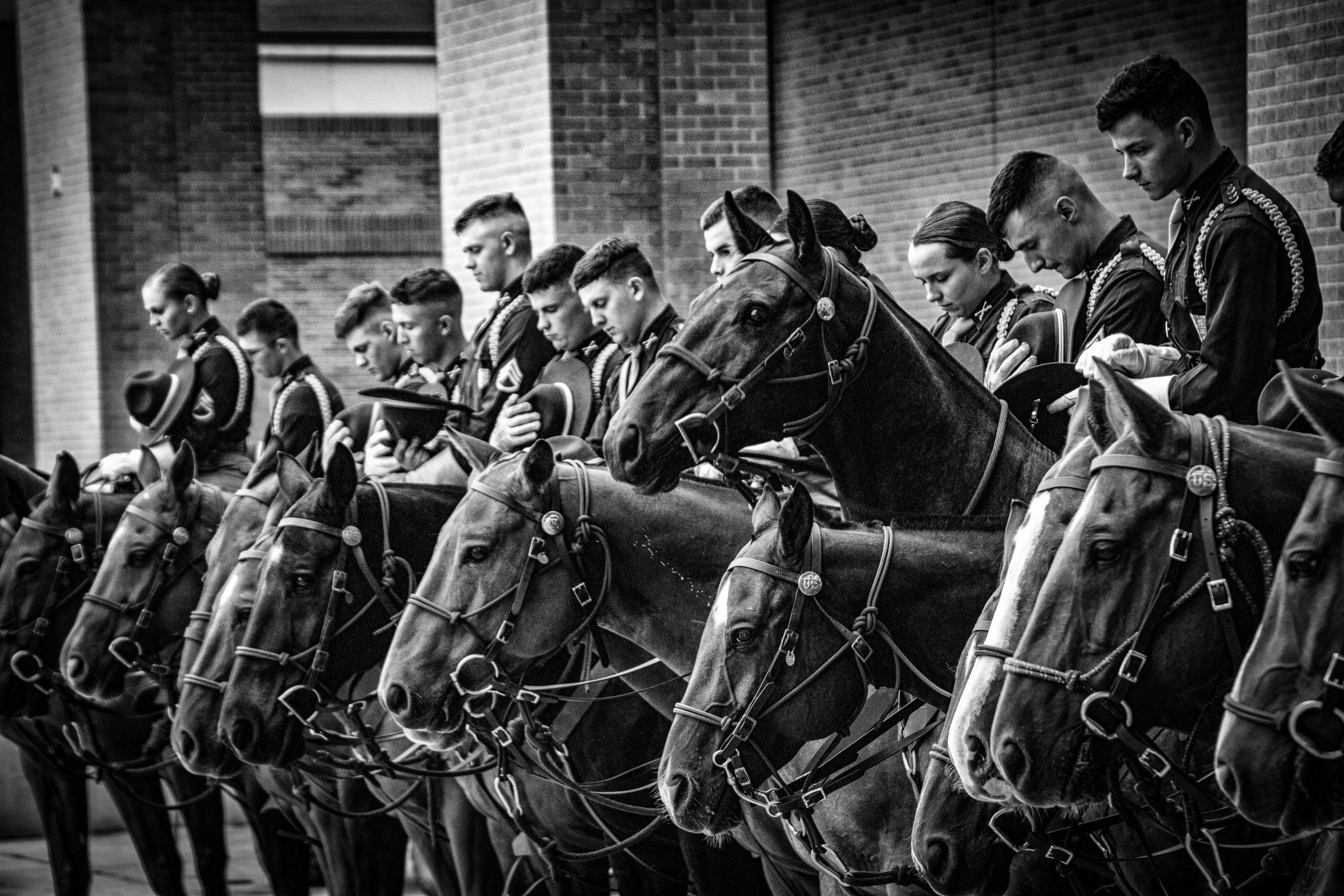

Image Credits
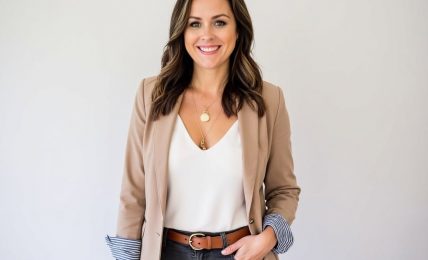
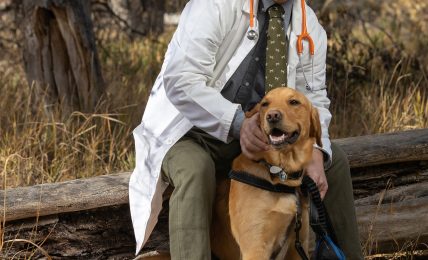
Profile photo taken by Conrad Earnest. Kneeling photo of me taken by Mickey Stellavato. All art photos taken by me: Sloane Milstein