Meet Stacey Riegelhaupt | Landscaper & Workshop Leader

We had the good fortune of connecting with Stacey Riegelhaupt and we’ve shared our conversation below.
Hi Stacey, how has your work-life balance changed over time?
I am someone who gives a lot of energy to my commitments. In the past, it meant working 50 or 60 hours a week for someone else. That really came to a breaking point during COVID when I was working in person for all that time. That meant leaving my then 13-year-old at home every day on their own. We had taken a vacation in June of 2019, and now it was summer 2021. I approached my boss about taking a week off in October. I was working retail management at the time, and he turned to me and asked if it was really appropriate to take a vacation so close to the holiday season. Instead of handing in a vacation request, I gave them a letter of resignation. I had started the position with a kid who was now a young adult, and I hadn’t been able to enjoy any of it.
It did take some time after that to learn how to balance my life. At first, while I was starting my business, I would work during the day and then work at a kitchen at night. So, while I may have been my own boss part of the time, I was still working 50 hours a week and often six-day weeks.
Finally, last year I had some health issues that made me think deeply about the goals I’ve always had in life. I realized that while Pollen & Stone was supposed to bring me closer to those goals with the nature of the work and autonomy, I still wasn’t living them. Since then, I’ve really focused on sticking to them and living a balanced life that nurtures those goals.
Now, when I think about a balanced life, I look more at it as an integrated one. My business, landscaping, and teaching workshops are an extension of the values and aims I live by. These are best explained by this quote by David Orr from his book Earth in Mind: “We can attempt to teach the things that the earth would teach us: silence, humility, holiness, connectedness, courtesy, beauty, celebration, giving, restoration, obligation, and wildness” (I would add creativity to this list).
The nature of landscaping is seasonal, so I look to the seasons for my moments of rest. I work hardest in the Spring and Fall when the days are long and cool. In the summer, my work is limited by the heat, and I generally work early in the morning until the temperatures hover around 90 degrees. Finally, winter is more my season of rest, where I focus more on the work I can do from my desk and take lots of time to restore myself for the next season. All year long, I teach workshops—these, more than any other part of my work, are a pleasure to create and teach.
Can you give our readers an introduction to your business? Maybe you can share a bit about what you do and what sets you apart from others?
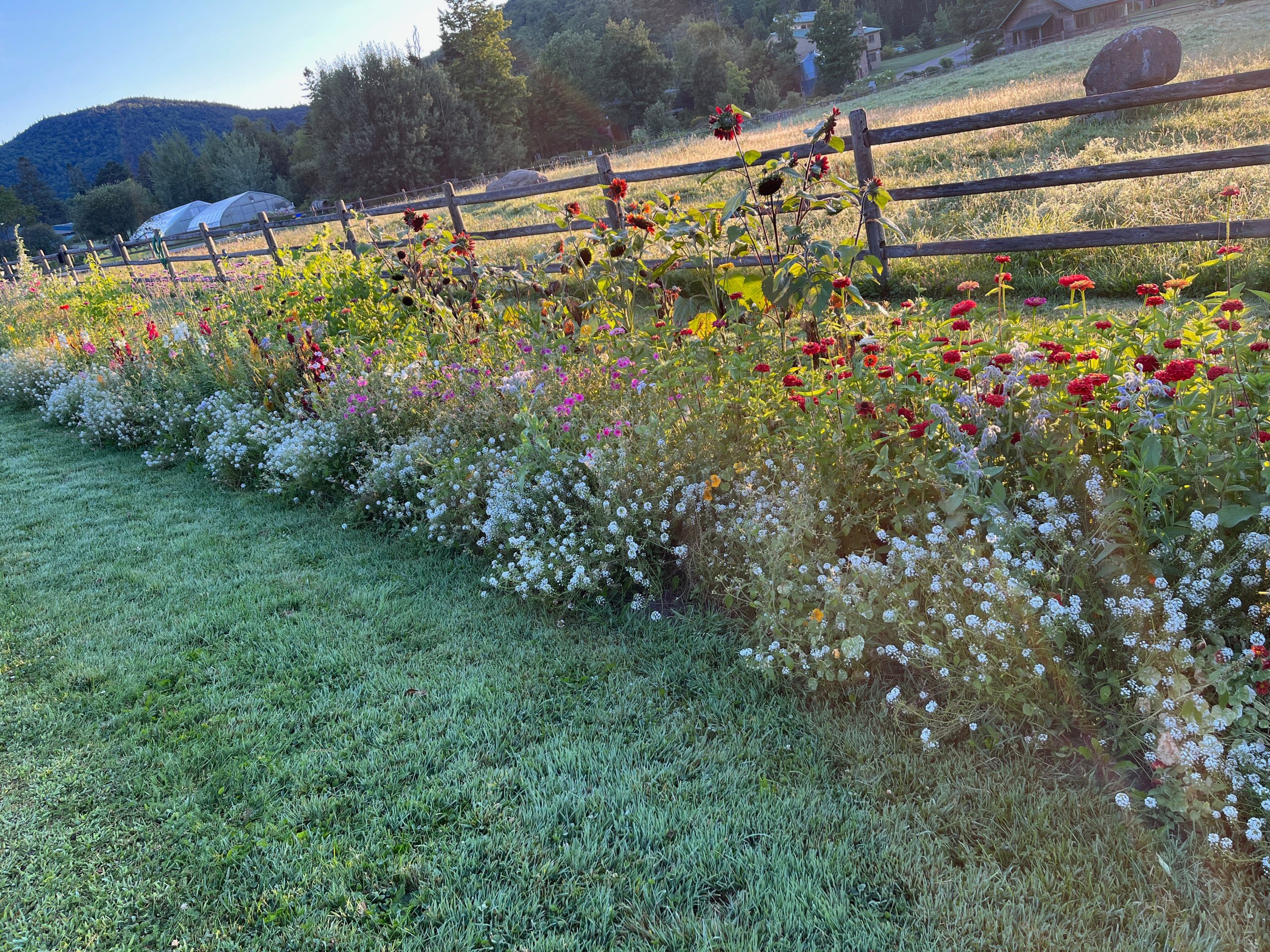
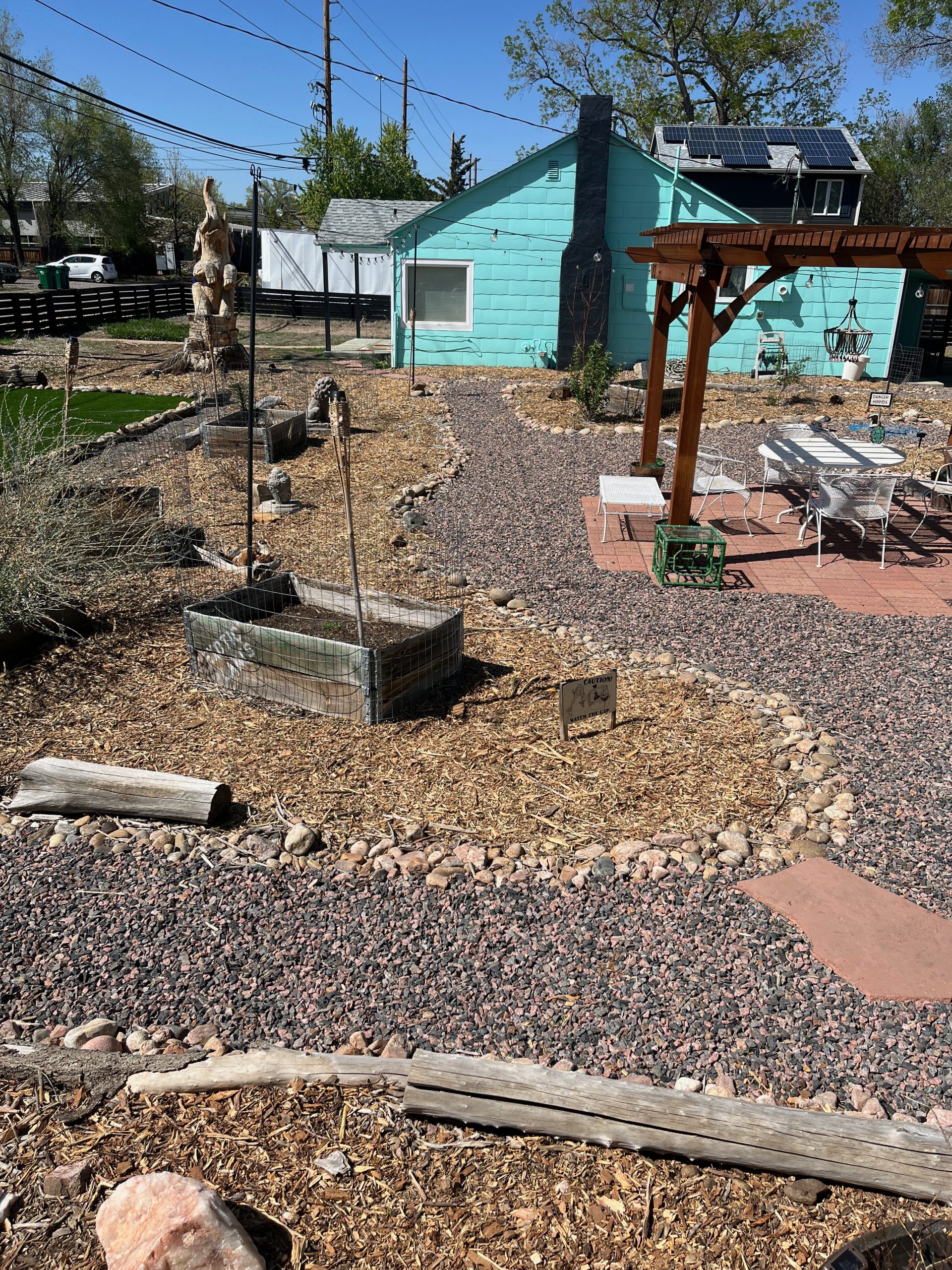
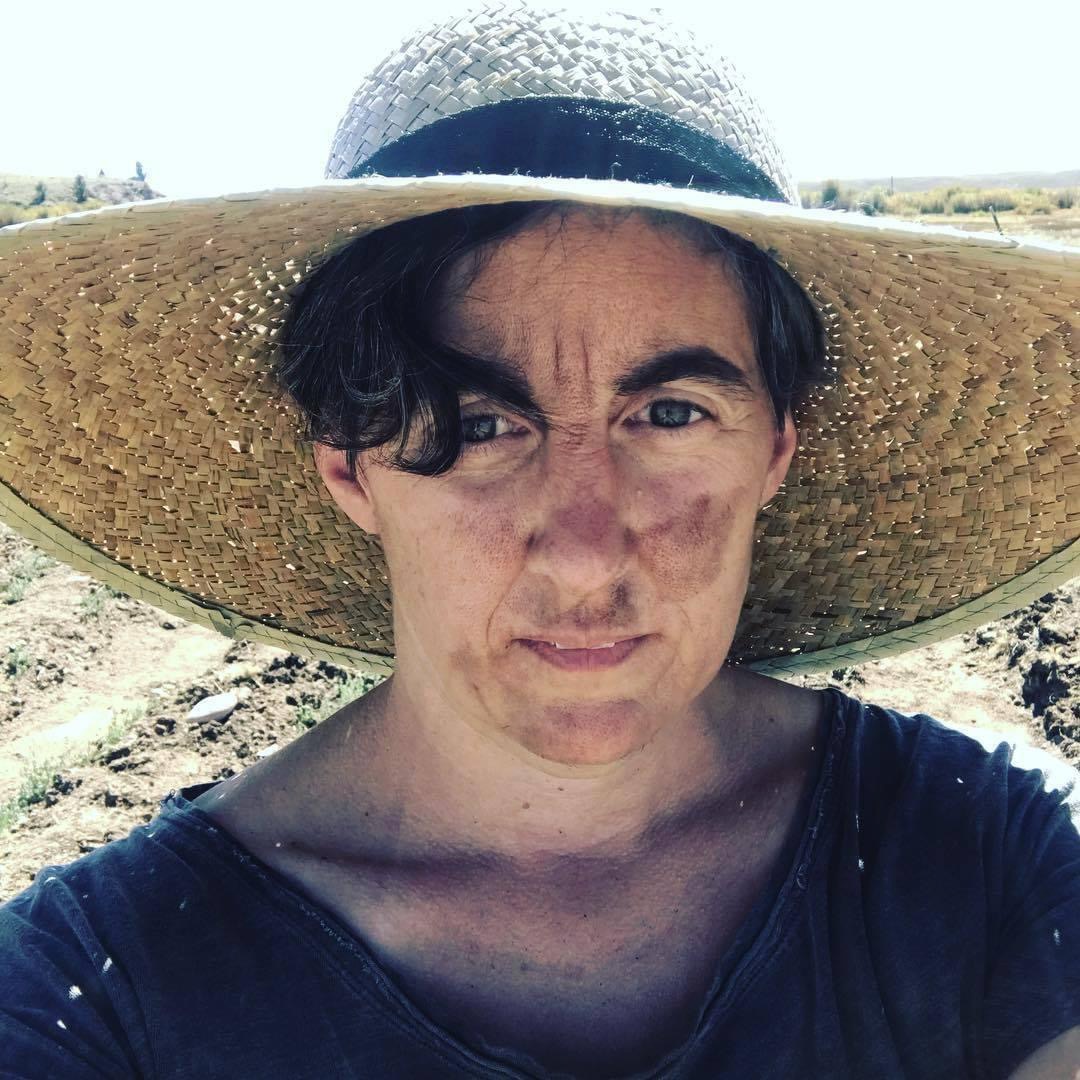
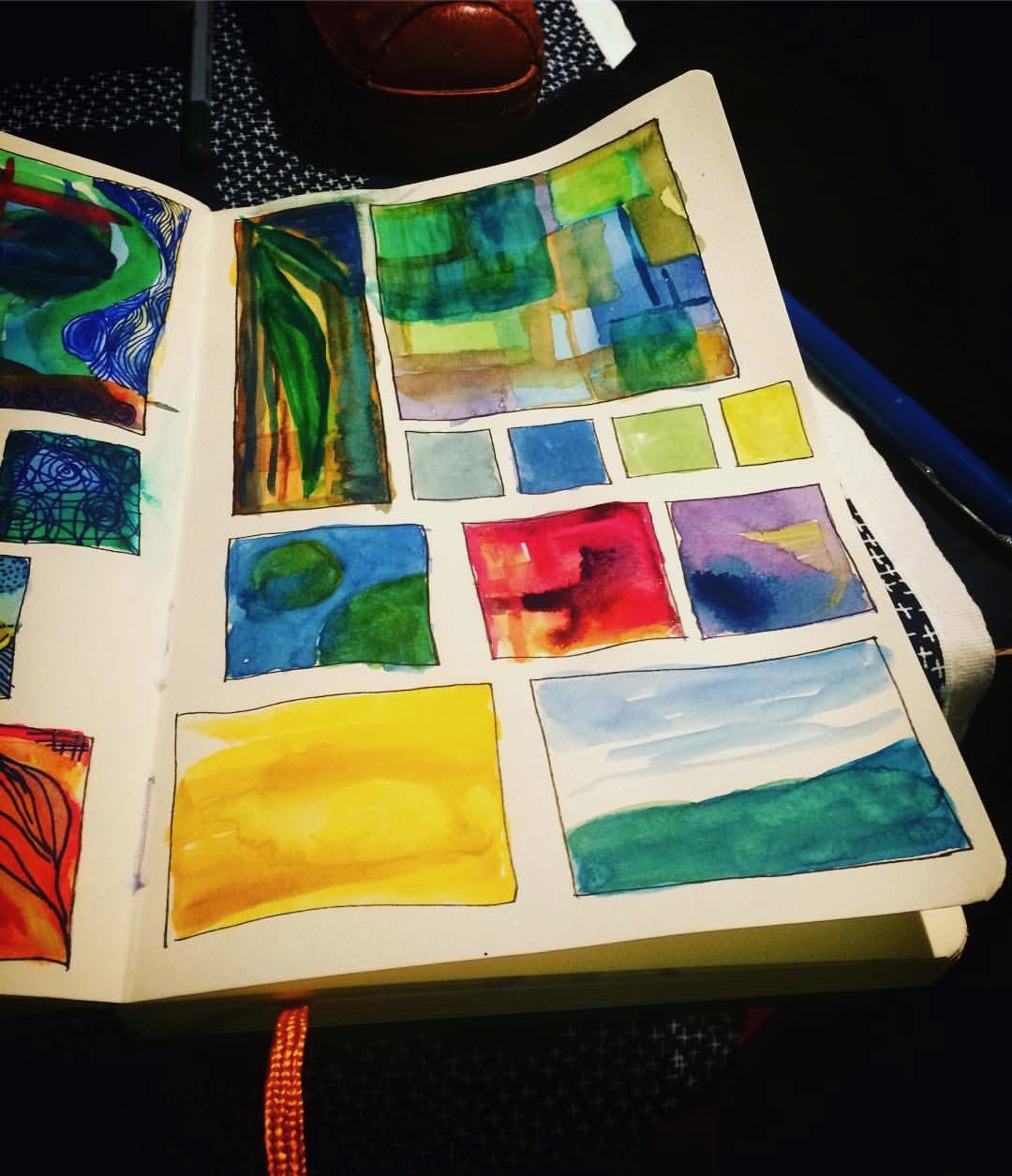
Pollen and Stone is a business that does both landscaping projects and workshop. We hope to connect people to the natural world in their own gardens as well as through the workshops we teach. We believe that the connection between people and the earth is both necessary and joyful, our goal is to help people find their way there. Our tag line is “Creating Peaceful Spaces for Busy People” and we truly mean that whether it’s physically with a garden or in a more personal way with workshops that help to get you out into nature and journaling.
The very early stages of my business began almost by accident. I had been laid off from a job, and a friend needed some gardening done. They were going to hire someone through Thumbtack but then remembered that I had co-managed a community farm at one point and knew I was between jobs. So, they offered me the work. Once people heard that I was gardening, my number got passed around, and I ended up with more clients.
After the first season, I decided to make it an actual business and filed the paperwork. Since then, I’ve worked to shift the focus of the business away from weekly upkeep and more toward project work—creating and rescuing people’s gardens. This year, I’ve started offering workshops.
An important part of my business model focuses on the relationship with our clients. When I first meet with them, I work to figure out their vision for their outdoor space. We look deeply—not just at what they want to grow but how they want to use the space as a whole. I try to find the story of how they want to interact with their yard or garden and the feelings they want it to evoke, not just visually, but with all their senses. These conversations not only set me on a clear path for the work I’m doing but also create a level of trust between the client and us.
I think the most important thing about Pollen and Stone is that we are coming from a place of passion, that we are a small company that is going to spend more time focusing on the individuals and their needs more than rushing off to the next house.
Any places to eat or things to do that you can share with our readers? If they have a friend visiting town, what are some spots they could take them to?
I think the best part about a trip to Denver is how you can mix both city activities and time up in the mountains without spending too much time in the car.
Day One: Breakfast at Leven then a morning in the Denver Art Museum and some time wandering around the Central Library, especially the fifth floor. Lunch would be at Sliceworks if we were even hungry. The afternoon would be wandering Cap Hill and Uptown, if it was nice out having out in Cheeseman Park. Dinner we’d head to Molotov for one of the special meals of the trip.
Day Two: Up early! Breakfast on the road, or at home, this is the big mountain day. We’d head up and over Berthoud Pass and over through Granby to Hot Sulphur Springs for a day in the hot springs, if we were feeling fancy we might even get a room in the motel there, otherwise we’d camp along Beaver Creek west a bit from the town of Hot Sulphur. Morning would be a lazy campsite breakfast and a drive back. But this time we’d head down 9 and stop in Frisco and stop at NextPage to look at the books, and just generally wander around town before driving down to Denver.
Day Three: Morning would be coffee at one of the local coffee shops, either Thump or St Marks. Then we’d walk to downtown and head to Shop Matter for more bookstore love, who knows if it was a Thursday maybe we’d wait for later and check out the open studio. From Matter we’d head over to Central Market in RiNo for lunch so we wouldn’t have to decide on just one restaurant. For dinner we would head to Pho Duy over on Federal. If we had it in us we might wander over to the Thin Man for a few drinks.
Day Four: (I’m imagining this is Saturday) We would get to the City Park Farmer’s Market for breakfast and getting veggies, cheese and meats. The afternoon would be lazing in either City Park or Cheeseman. A nice slow Denver day, maybe we’d wander the Botanic Gardens if it wasn’t too busy there. Dinner that night would be at Coperta.
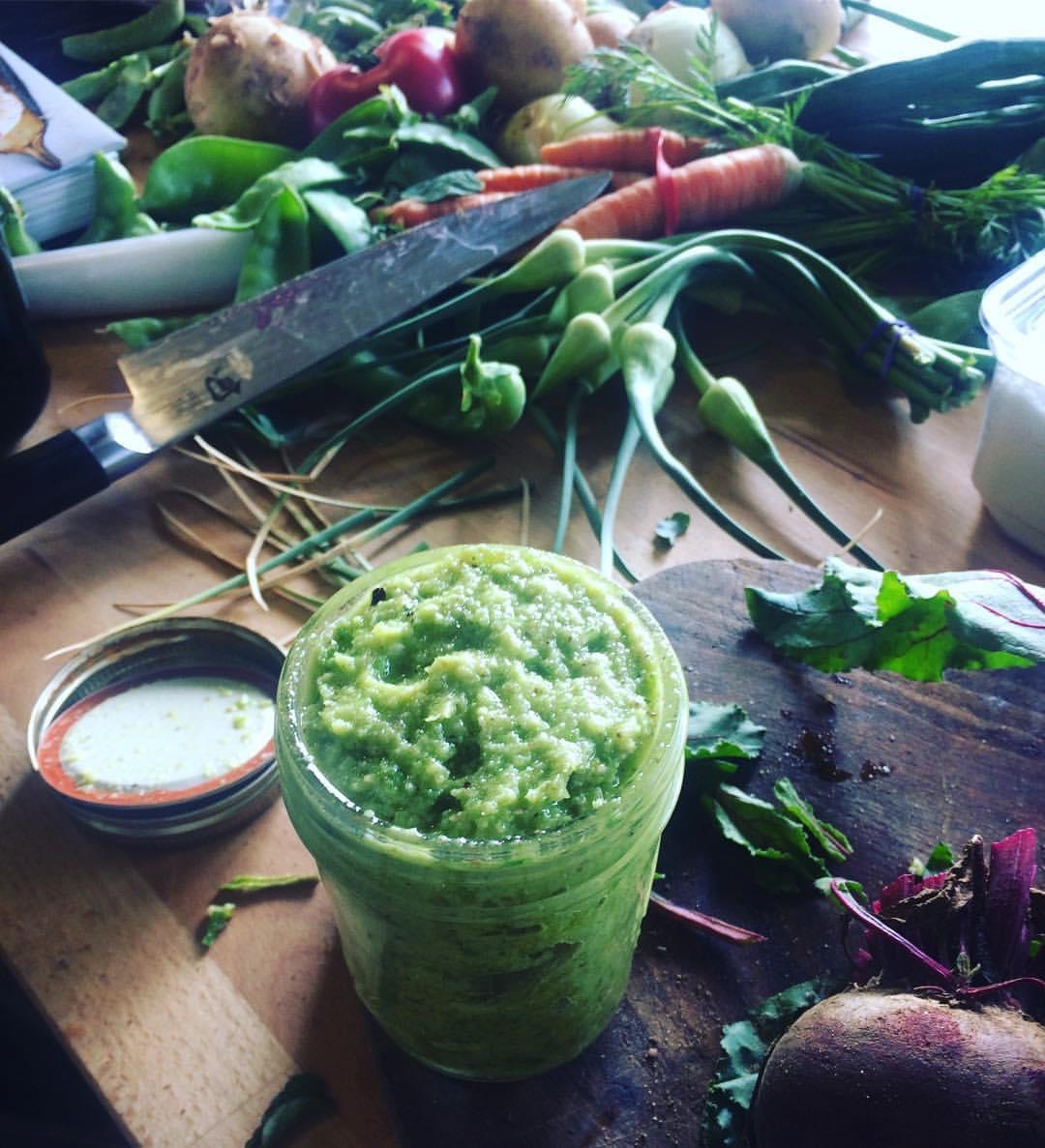
Day Five (the last day because this is how long people visit for): We’d head up early for a hike either in Golden Gate State Park or if we were feeling motivated up to Rainbow Lakes out side of Nederland. That night we’d have fun cooking the day before’s farmer’s market food.
Day Six: I’d drop them at Union Station for the train to the airport because no one should drive Pena Blvd if they don’t have to.
Who else deserves some credit and recognition?
My son Alder Bloomfield has been the biggest motivating force in all my successes. He makes me want to be an example of what a life can be.
Website: https://pollenandstone.com
Instagram: @pollenandstone
Facebook: Pollen & Stone; Workshops and Landscaping