Meet Suzanne White | Student, Artist & Teacher


We had the good fortune of connecting with Suzanne White and we’ve shared our conversation below.
Hi Suzanne, how do you think about risk?
As I ponder this question, I realize that risk-taking has been a part of me since childhood. The word, ‘risk’, is defined as, “The possibility of something bad happening”, which, when I have a deep passion and love for something or someone, does not enter my mind. This desire has taken me to many parts of the world, and along with my willingness to do badly or fail, has enabled me to become fluent in Spanish, live and work abroad, and most recently embark on learning the skills of a ceramic artist, and a spiritual practice.
I remember the fearlessness I had many times as a child. One of my earliest memories is my 5-year-old self, climbing out my bedroom window to sit on the roof and look at the stars. At 15, I left my mother and sister in Tucson, Az to study ballet in Oakland, CA, while living with my aunt. I also returned a few months later because I wanted to be back with them. Success or failure, like good or bad, are perspectives which are different for each individual, and each disappointment can be a segue to more confidence, strength, and peace, because perspectives can be changed in our own minds.
My father was a huge risk-taker, moving his wife and two children every five years to hopefully greener pastures with a higher-paying tech job, bigger house, or better car, often states away. He later pivoted to teaching when a job-loss and divorce set him on a different path. I have always said that is how I got the travel bug, not to see new places, or to check off a bucket list, but to know how the people live in cultures so different from mine, and to integrate myself, like I had to do when I was growing up. I moved to Spain in 1998, after having worked and travelled around the US, and then choosing to do a bachelor’s degree in Spanish because of the opportunities to study abroad. I had a one-year visa in Granada but have stayed for twenty-five. My daughter was born here, and the biggest risk of my life was admitting her to a state-run juvenile center in Córdoba when she was 15, as a response to the violence that was manifesting in both of us. It turned out to be a time of profound growth, and hard work on ourselves.
That year was a catalyst to start to leave teaching English and begin being an artist by pursuing my first art degree in Artistic Ceramics, where I got to experience the therapeutic and spiritual value of working with clay. Today I think the ultimate risk is to trust completely in God, or whatever you want to call our benevolent source, as a practice in my everyday life. I set the goal, or prayer, of only seeing kindness and gentleness in my day, and to follow my intuitive desires. I try to remember to give my day to that Love which knows, as a blank canvass, to create what is best for the entire world. It is a moment by moment practice which I fail at most of the time, but that does not matter at all when I can remember for an instant, “Love itself, paint whatever you would like”.
Can you open up a bit about your work and career? We’re big fans and we’d love for our community to learn more about your work.
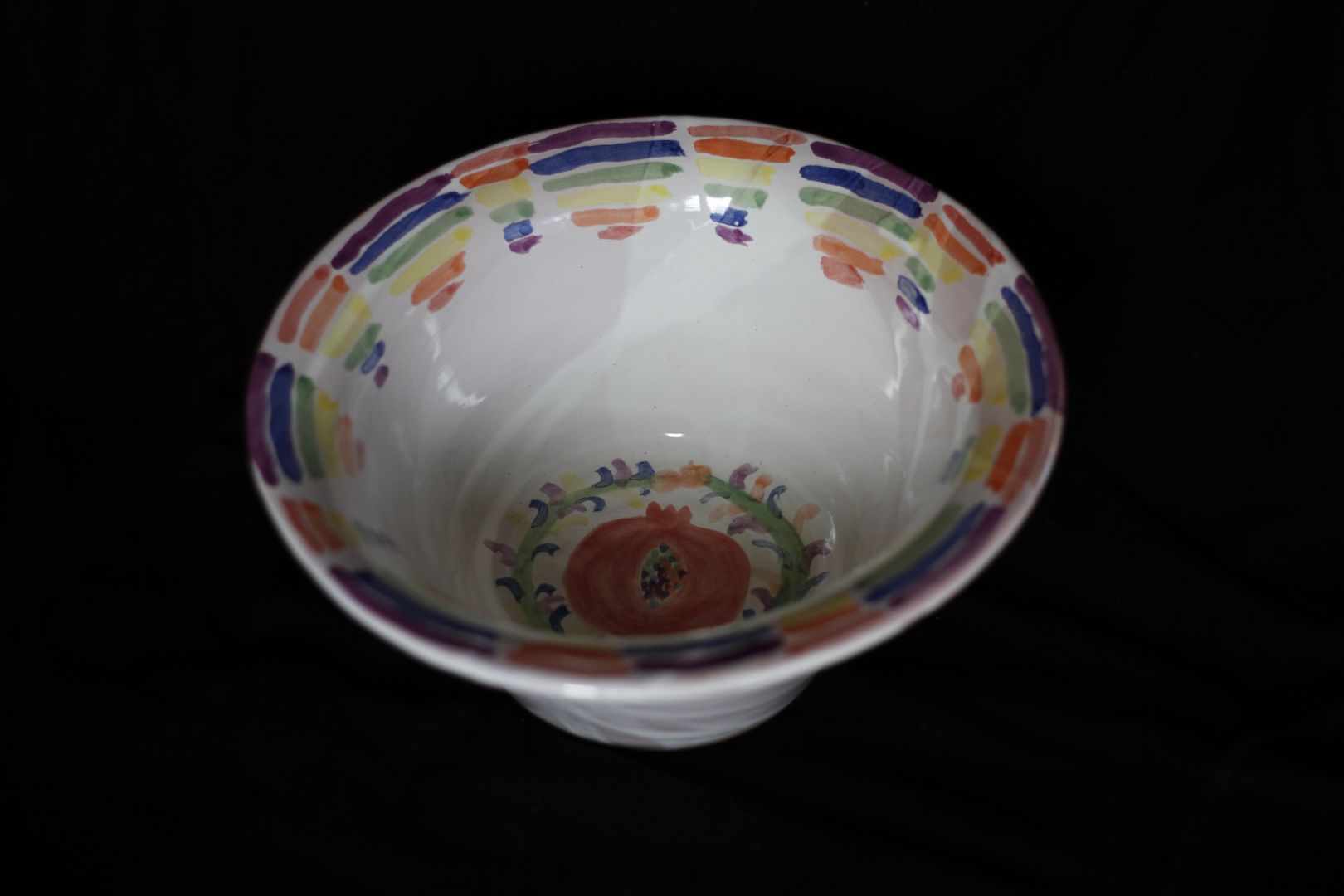
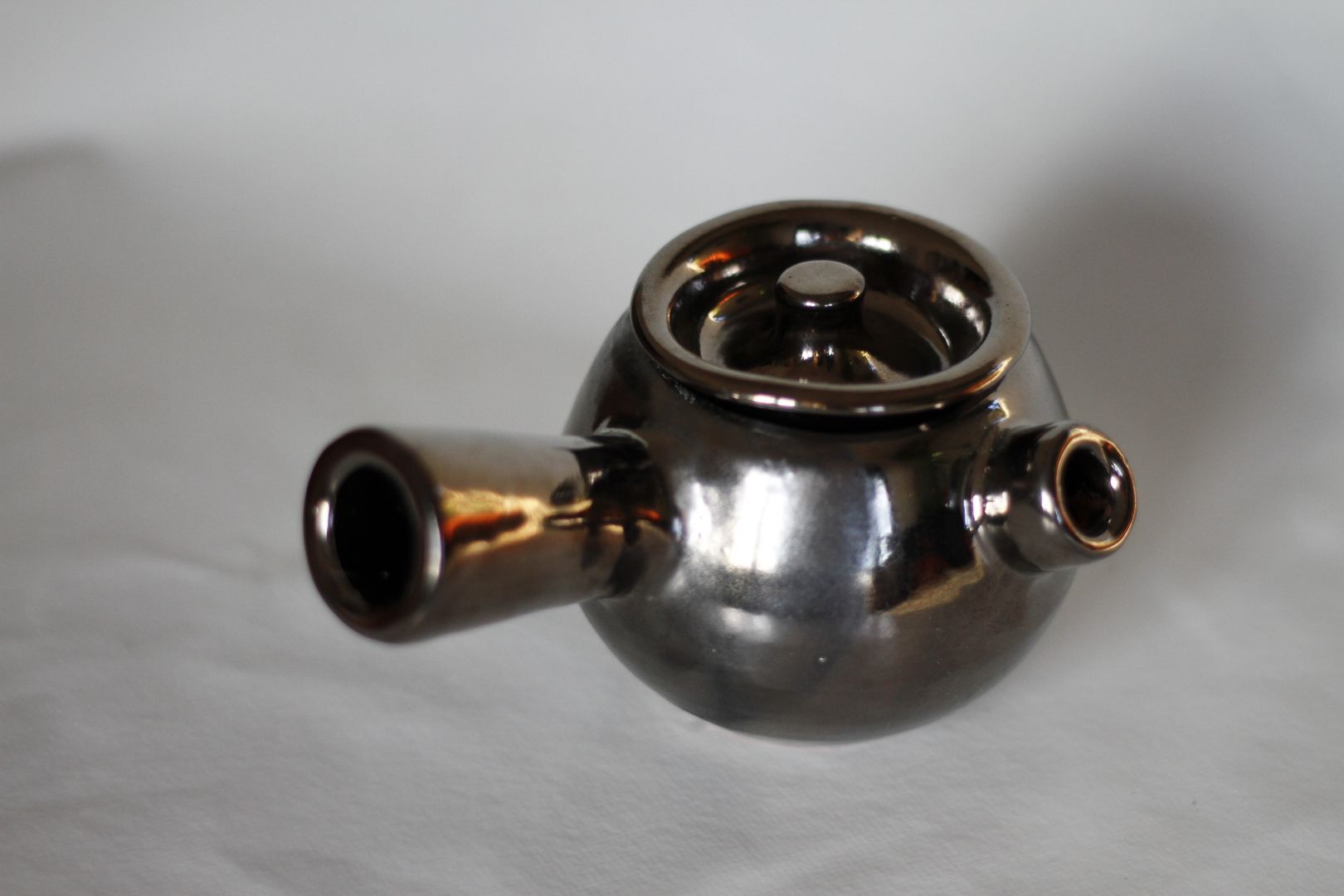
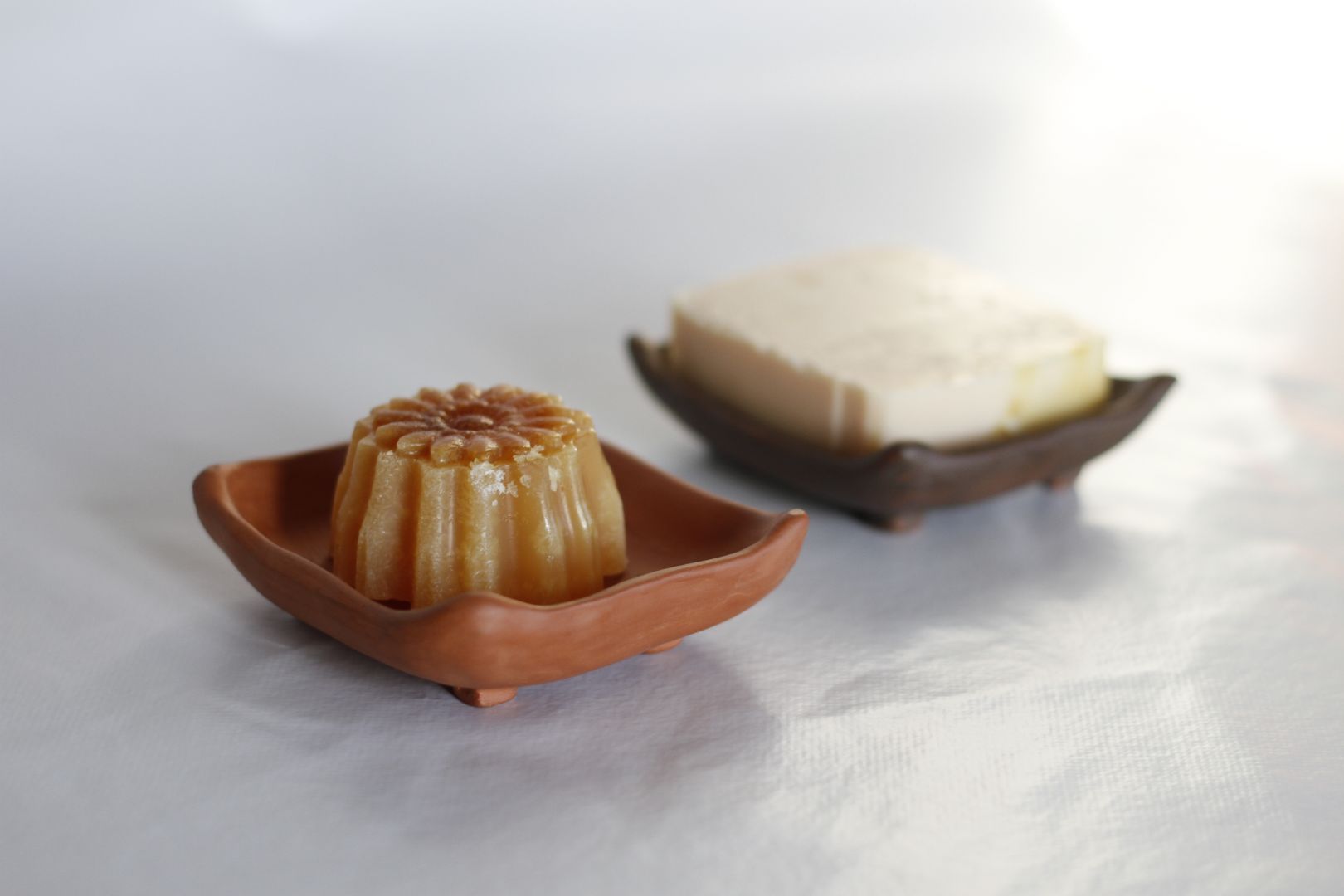
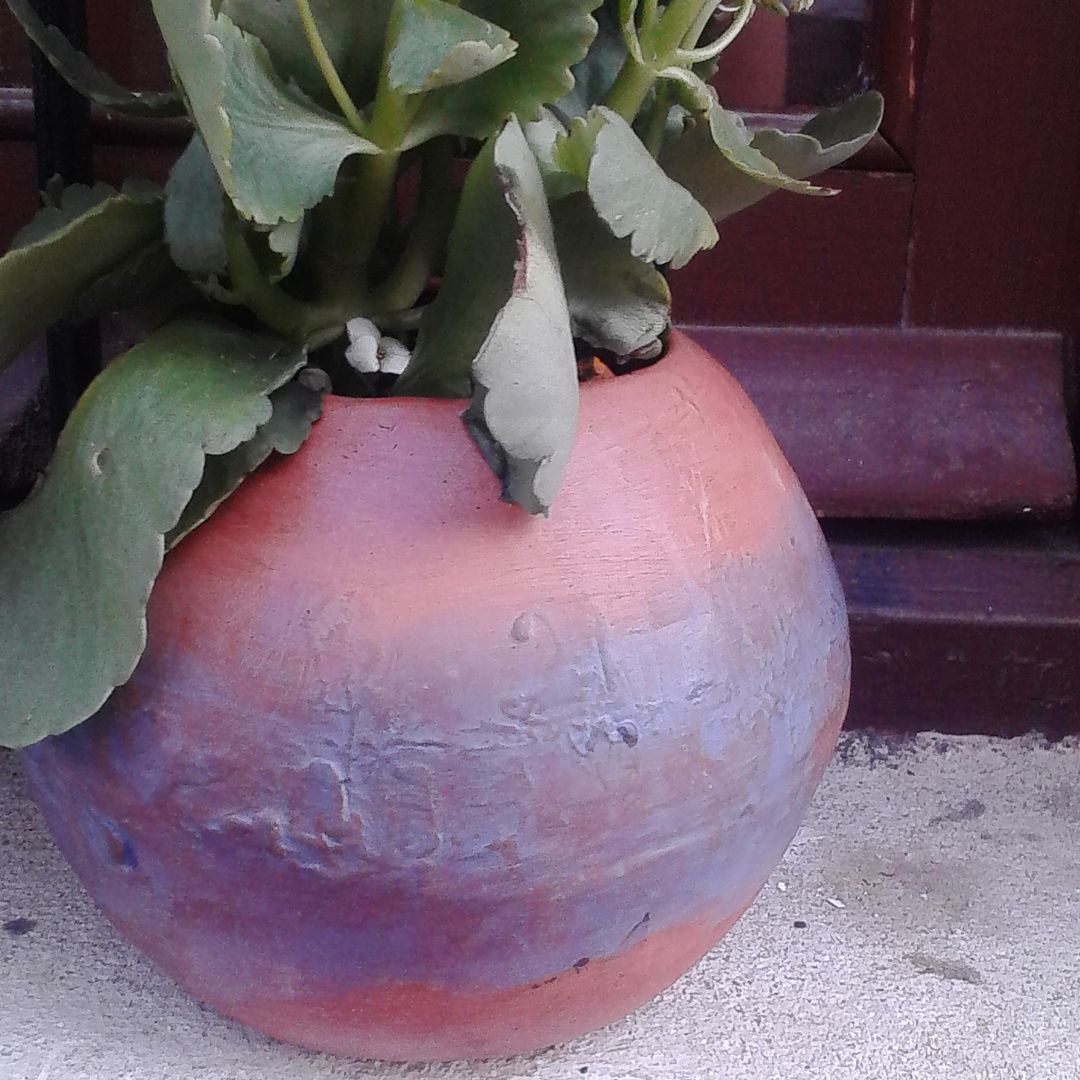
I feel I have a unique bi-lingual, and even bi-cultural perspective in my work because it excites me to be able to merge influences from my formative years in the Southwest United States, with all that inspires me from Andalucía throughout my seemingly many lives here. I can see those influences in the forms of my planters for example, and the deep earthy colors that I adore making from terra sigilata. I am proud to study this ancient craft in the idyllic environment of Guadix, where many potters have lived and worked for generations.
Ceramics is perhaps the most efficient teacher of patience. I am learning to adapt just like the clay in my hands at the wheel, and as a result, I have eliminated a great amount of stress. Gradually, I have been letting go of how things ‘should’ be, and, through practice, allowing the forms/colors to take care of themselves while more of me can come through. Additionally, I have the advantage of constantly learning new techniques through the school or the internet, permitting experimentation with traditional forms and decoration juxtaposed with modern themes, for instance.
I would encourage the world to become involved in investigating into art in some way, any type of art, or artistic activity, if they feel the desire. The benefits are manifold: Reduction of negative thoughts, social interaction, processing emotions, helping with anxiety, etc. I foresee great art studios in the biggest cities where anyone can go to explore all art forms that spark interest. I hope to someday be a part of an initiative like that. In the meantime, may we keep putting in the hours.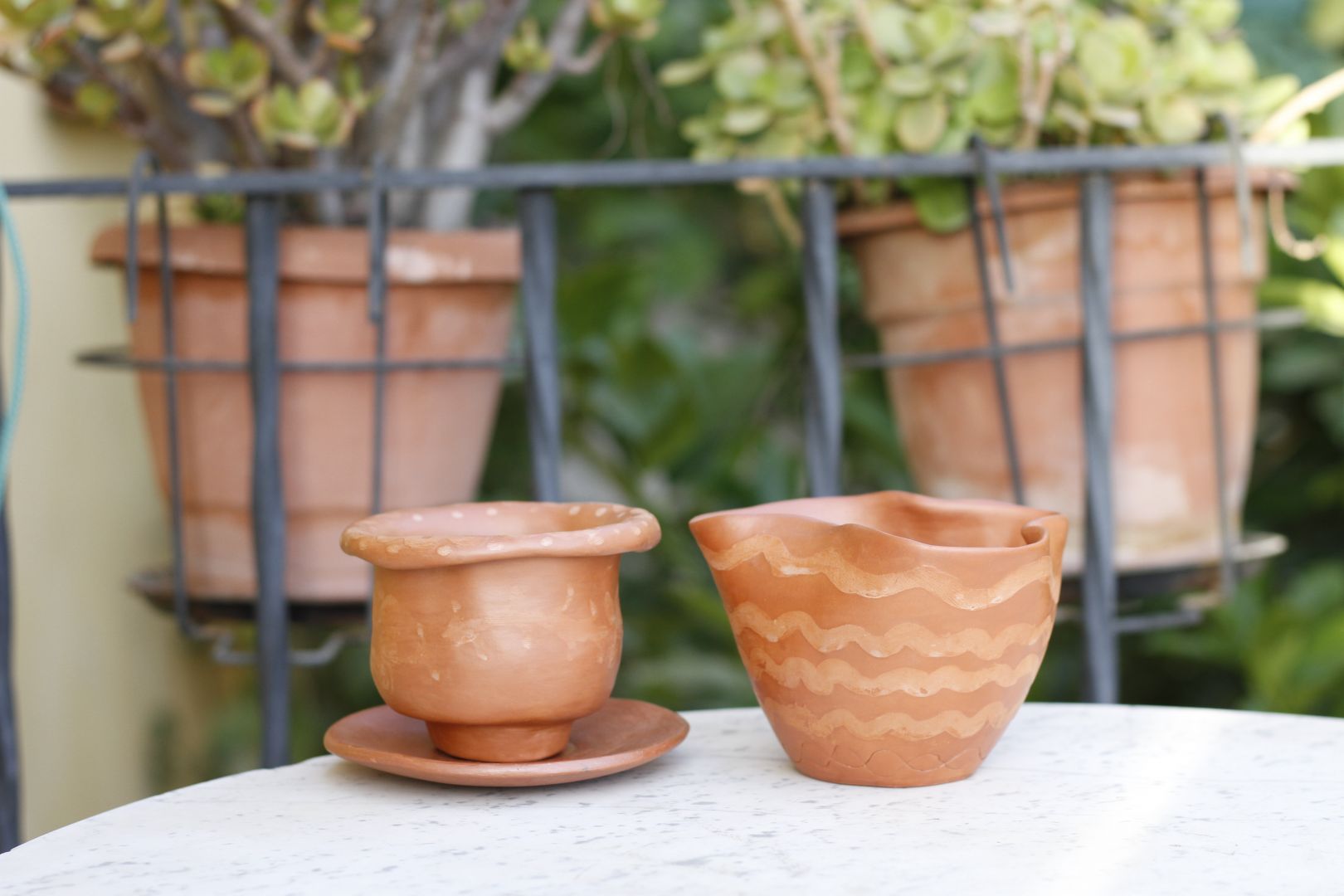
If you had a friend visiting you, what are some of the local spots you’d want to take them around to?
Granada is known to some as the most beautiful city in Spain. I highly recommend visiting, and when visitors come, I love to show them my favorite spots. The city is made for walking, so comfortable shoes are a must, and we should be prepared for a few steep hills, as well.
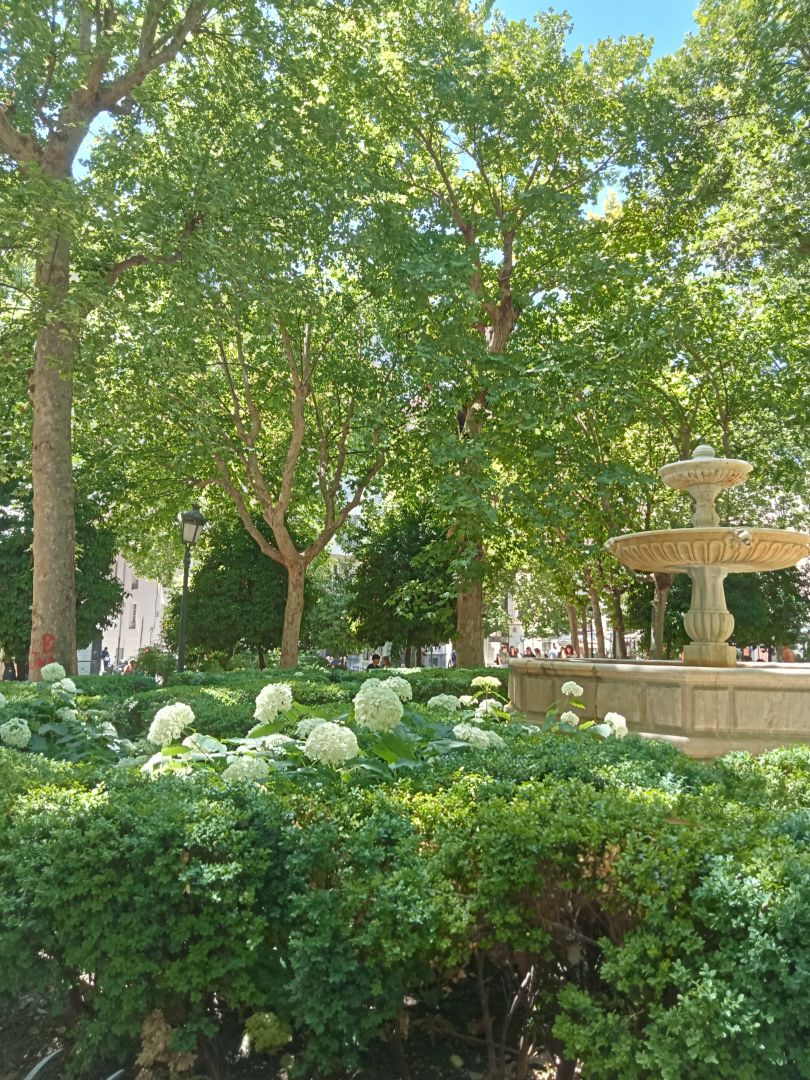
Day 1 could definitely start out with a traditional breakfast of café con leche and toasted French bread with grated tomato, salt, and olive oil. ‘Las Titas’, near the river Genil (henEEL), is a large terrace surrounded by cypress and pines trees. If we like, we can take a stroll along the river after, or head to the center of town where the architecture along Gran Via is a sight in itself. The cathedral dominates the views all through the narrow, cobblestone streets, and we can pop in and out of museums, shops, and indoor/outdoor markets. A good place to stop for lunch or tapas is ‘Vino y Rosa Home Food’ for excellent mediterranean dishes. We can choose a square to sit in to rest and people watch, my favorite being Plaza Trinidad with its unique flowers and fountain. There is a flamenco show in the early evening at ‘El Chien Andalúz’ near Plaza Nueva. Dinner can be had there, or somewhere along Calle Elvira which has the best shawarma and an extremely diverse selection of restaurants like, ‘El Mundo Del Kebab’, and ‘Restaurante Mi México’. Then we can easily catch a bus home.
Day 2 is the Alhambra of course, with tickets purchased well in advance. We would spend the entire day there between visiting inside the palaces, the museum, and the gardens of the Generalife. ‘The Parador de Granada’ is a gorgeous restaurant/garden to have breakfast or an early tapa before having a picnic at the Mirador de Alixares with spectacular views of the southern part fo the city and the farmlands beyond. On the way back down the very big hill where the Alhambra sits, we visit the museum/house of celebrated composer, Manuel de Falla, where we see how he lived and worked and where he and his friend, Federico García Lorca hung out. At the bottom of the hill, we come to the old Jewish neighborhood, El Realejo, a favorite for its bohemian vibe.
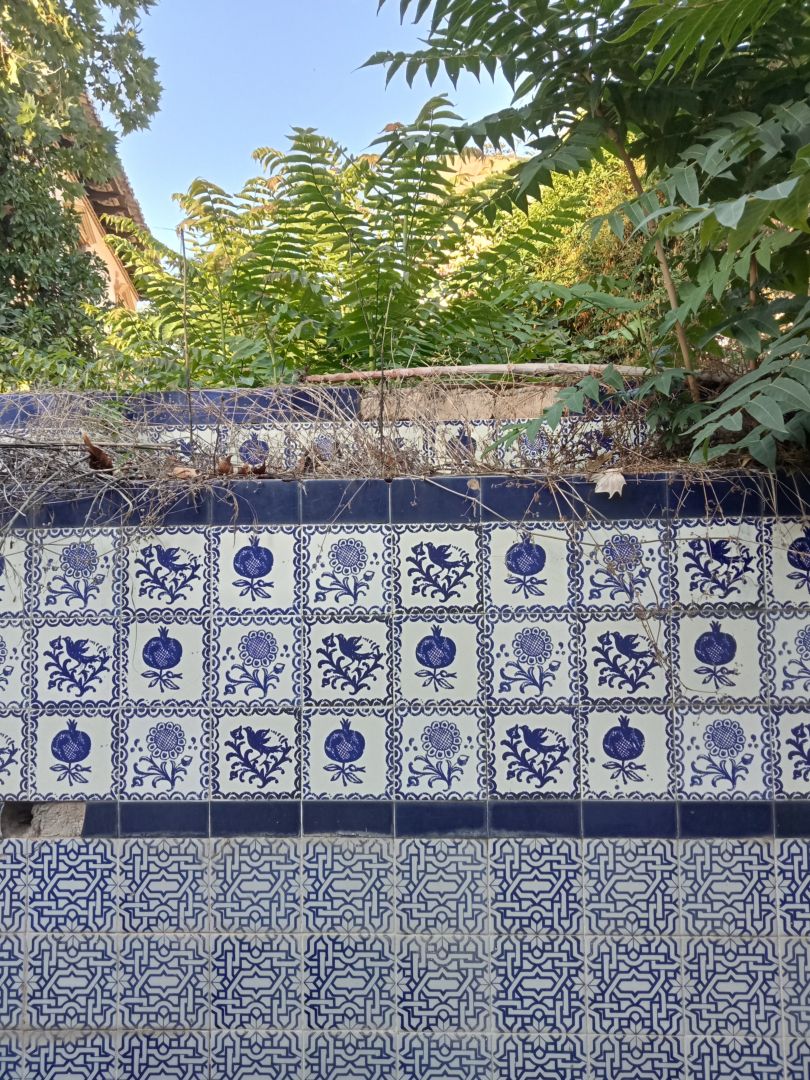
Day 3 we take the bus up a steep winding road to the Moorish neighborhood, El Albycín. First stop is the 500-year-old pottery where the traditional Granada ceramics are made, ‘Fajalauza’. Then just slow strolling and sitting in squares, and the famous ‘Mirador de San Nicolás’, where we can see a fantastic sunset. Some of the best restaurants are up here like ‘El Agua’ or ‘Restaurante Carmen De Aben Humeya’. At night we can check out the neighborhood of ‘Sacromonte’, where we might be able to see some more flamenco, and the stars.
The next days can be spent in the mountains or by the sea, which are both 30-40 minutes away by car. La Alpujarra, in the mountains, is full of small, quaint towns with tons of artisan shops and delicious typical food. The chorizo and morcilla (blood sausage) are not to be missed. Lodging is easy to find, and there are hiking trails, horse-riding, and wine-drinking. Two of my favorite beaches are La Herradura and Nerja, where kayaking on a full moon is a favorite activity. The fish is fresh and sold on skewers called ‘espetos’, and ‘migas’ are a traditional dish, which is like fried breadcrumbs with green pepper, chorizo, and honeydew melon on the side. I hope readers can visit someday and enjoy the slow lifestyle of enjoying food, drink, and sun and the infinite inspiration that Granada has to offer.
Shoutout is all about shouting out others who you feel deserve additional recognition and exposure. Who would you like to shoutout?
I would like to give a shout out to my family who all rallied together recently to make my father’s death as loving and peaceful as anyone could ask for. Since that time, I have the certainty that we can all count on each other for literally anything we need. Also, especially to my daughter for her unwavering support and collaboration in my life.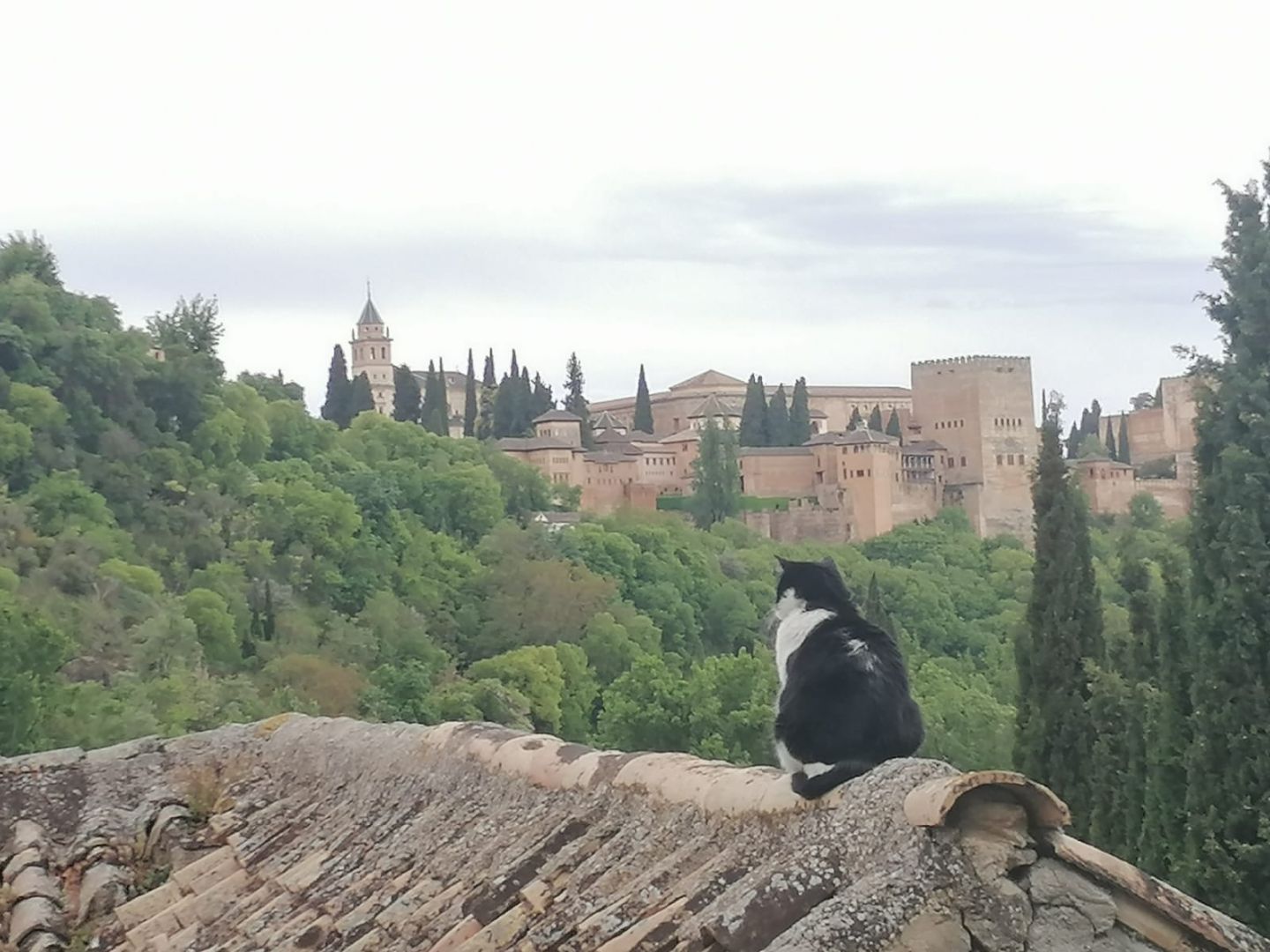
Instagram: https://www.instagram.com/suzruthceramics/
Facebook: https://www.facebook.com/profile.php?id=100066462881390&sk=about
Image Credits
Camino González Chamorro Suzanne White


