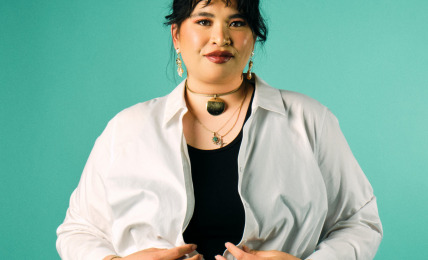
Meet Thomas Meracz | Musician, songwriter, engineer


We had the good fortune of connecting with Thomas Meracz and we’ve shared our conversation below.
Hi Thomas, what is the most important factor behind your success?
Generally, the people who keep showing up and applying themselves are the people who succeed at what they set out to do. We live in a culture which idealizes immediate gratification, but I’ll quote a friend of mine who is a successful chef: “the best ingredient is time.” I am not the writer, producer or musician I was when I started out over 35 years ago. Much like with a gourmet meal, that ingredient- time- has been the most important factor of my growth. When you spend time mastering an instrument, learning the ins and outs of musical composition or production, that is the highest level of investment in yourself as an artist. When you spend time collaborating and working with other people in their studio environments, you are always learning from their workflow, even if there is no immediate success or monetary gain.
I’ve met too many artists who have hung it up and gone on to do other things with their lives. It’s tempting to get impatient and to do that. Side-stream incomes and day jobs can offset the gestation period of a meaningful career in the arts. I can say from my own journey that good opportunities and meaningful recording gigs or writing credits didn’t come my way until 8 years into hitting it hard. From what I remember, I was working 2 to 3 jobs in my 20’s, then coming home to write in my studio until I passed out to accomplish that. Some artists break in quickly because of sheer talent and luck, but most often, success comes your way by putting time into your stated goal.
Let’s talk shop? Tell us more about your career, what can you share with our community?
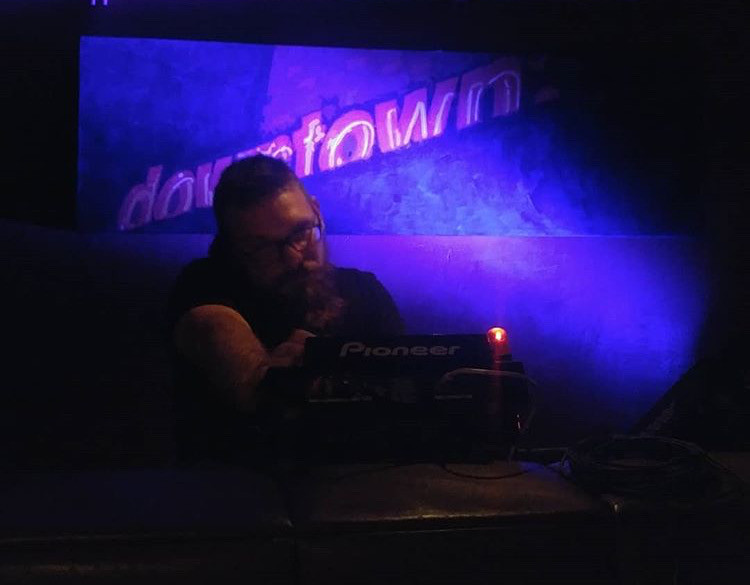
What can I say about my art other than to call it an evolving process? I’ve had a number of doors open for me over the years at weird times in my life. It took courage to walk through those doors and challenge myself to rise to those occasions. I could never have imagined charting and arranging for Disney composers in my mid-20’s or DJ’ing in Vegas in my late 30’s, but in each case, I stepped up and developed another side of my skills. A part of your creative self dies when you get pigeon-holed into a rigid artistic identity. I witnessed this firsthand with my old peers in Classical music and it was instrumental to my decision to leaving that world at 29. Music and sound are too vast to approach from that kind of frame. Stay curious. Although I was a concert cellist, I took it on myself to learn about, and incorporate music technology into my music from my late teens. That was a decision which payed off in dividends. A flexible attitude to learning and a curiosity about the nooks and crannies of sound physics, circuitry and engineering techniques led me to collaborate on many unique projects down the road.
Were there roadblocks? Sure. Time management was a skill I had to learn. So was resisting the pull of going it alone. Collaborating and seeking mentors helped me get over the hump of learning new things, especially when those concepts were new and potentially frustrating or abstract. You would be surprised at how much of their knowledge base musicians and creators are willing to share when you demonstrate a genuine curiosity regarding their process.
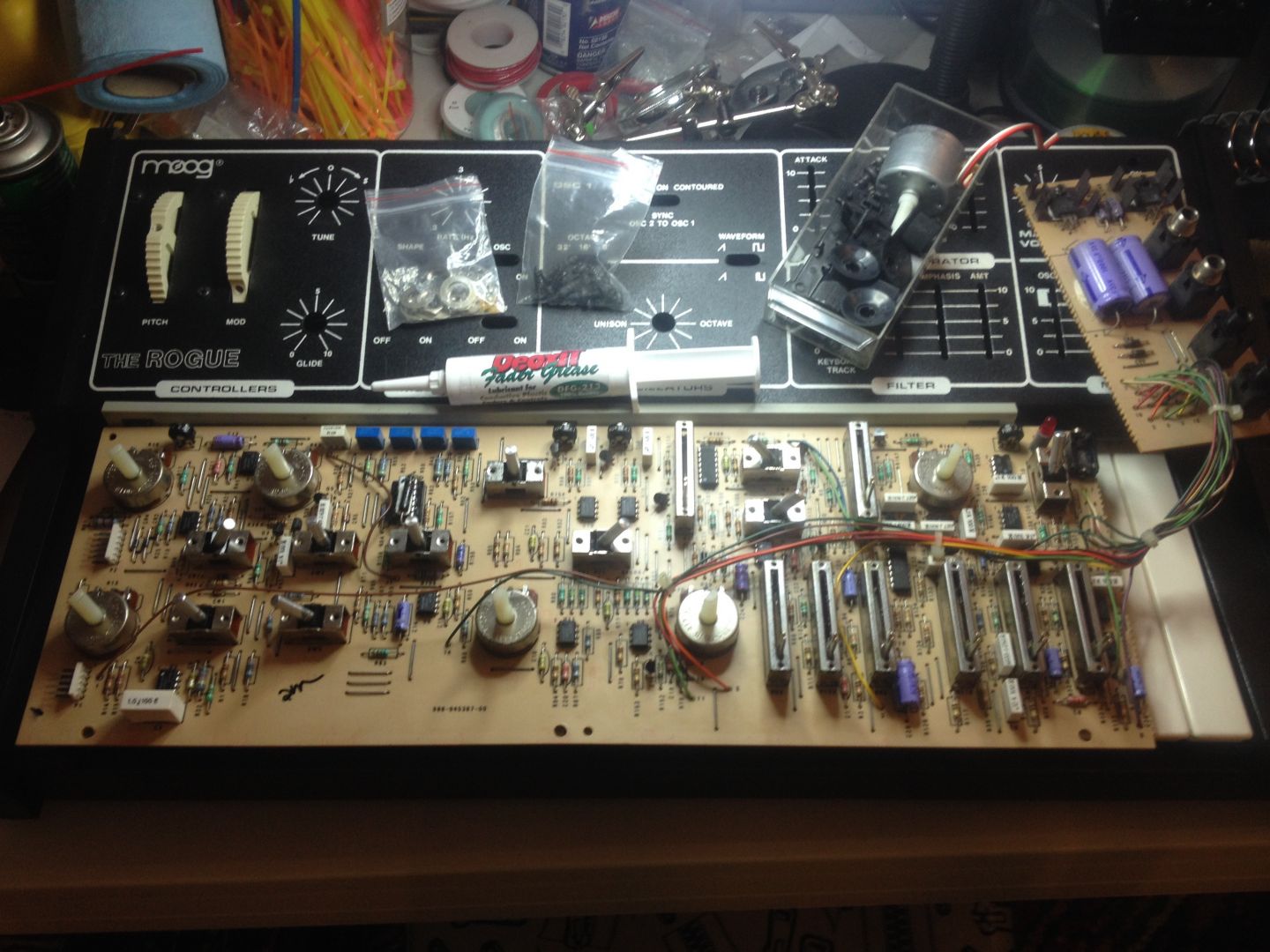
And speaking of curiosity, I was the kid that disassembled the phone one day to see what was inside. Even though there is a lot of computing power available today to produce from a world of plugins, I’m really a hardware junkie. I’ve also soldered from my late teens and spent about 2 weeks on the connectors for my first patchbay in my first professional-level studio. Much like with any other walk of life, when you take it on yourself to learn and master the supporting skill-sets to an idea, be it working on your own car or things in your home, or electronics bench work, you open your options. I am given broken hardware on the reg and refurbish it in my spare time. It’s fun to watch a dead synth or piece of outboard gear come back to life, then see what it sounds like. If I like it, I keep it, if I don’t, I re-home it with a producer who could use it. I like keeping e-trash out of landfills and in a useful state, especially if it’s rare or has the potential to inspire someone else’s creative process.
On a personal note, I also treat the world like a sonic canvas for sampling. Before I got a Tascam handheld recorder, I would walk into a luthier’s shop or a musical event and just open a small laptop to record what was going on. If it was ear candy, I’d take the time to talk with the artists and find out more about those instruments on my downtime. I have samples from opportunities to travel and study abroad in many countries, as well as more mechanical sources, such as machine shops and heavy industry to mix into my electronic music. I think I connected a special synapse in my brain the day I realized that everything around us has rhythm and pitch.
Let’s say your best friend was visiting the area and you wanted to show them the best time ever. Where would you take them? Give us a little itinerary – say it was a week long trip, where would you eat, drink, visit, hang out, etc.
Our backyard out here is the Rockies, so if you point your car West in that general direction and go uphill, you will take in a very big amount of inspiration in a very short time. The visual feast and tranquility of Nature is a big detox to the grind of working and living in big cities, and it was a very necessary change for me. I’m in driving distance of events in Denver and Boulder, but more often I find myself hanging out and exploring the smaller towns on the Front Range. I had an opportunity to take it in when it was in full swing 4 years ago before lockdowns, and the amount of development going on above Longmont is changing it up in a big way. I’m not a stickler for that authentic experience and I would say it’s all evolving in an exciting and open-minded direction. I run into a lot of Alt/Goth folks like myself and the general feel seems to be one of coexisting in a diverse environment. That’s a great spirit for moving forward.
Lately, I’ve been hanging out in Loveland a lot because it has the right blend of wild-haired, young artistic spirit and mature, studied, artistic experience. The Loveland museum has some amazing curators who pull in some internationally-acclaimed touring exhibitions, but smaller collectives like ArtWorks are holding it down as well. There are a number of bronze foundries and glass blowers up here doing their thing, and on a weekday, you can watch them work. I like being around multiple disciplines of art because they all form an organic feedback loop of creativeness with one another. Their dedication to their art definitely helps to fuel mine.
Also, there are a decent independent coffee houses up this way which I haunt on Instagram, because coffee makes things happen.
Shoutout is all about shouting out others who you feel deserve additional recognition and exposure. Who would you like to shoutout?
No one is a solo act. You become who you are in the creative arts through the support and mentoring of others. My family deserves the first bit of gratitude there, especially my mom and aunt who were very helpful in getting me my first instrument and getting me to lessons before I could drive. My first cello teacher, Jennifer Goss was a huge influence on loving music. She helped me to relax and express myself on the instrument and pushed me forward to study with other influential mentors.
In composition and engineering I have a few people to thank as well. Robert Irving gave me my first break as an intern in his studio. It was my first glimpse under the hood of “the life” and it was an intense period of my life. In a few years, I went from arranging and sequencing in his studio’s downtime to helping out with movies and TV episodes, eventually co-writing and getting signed to good music libraries like Megatrax.
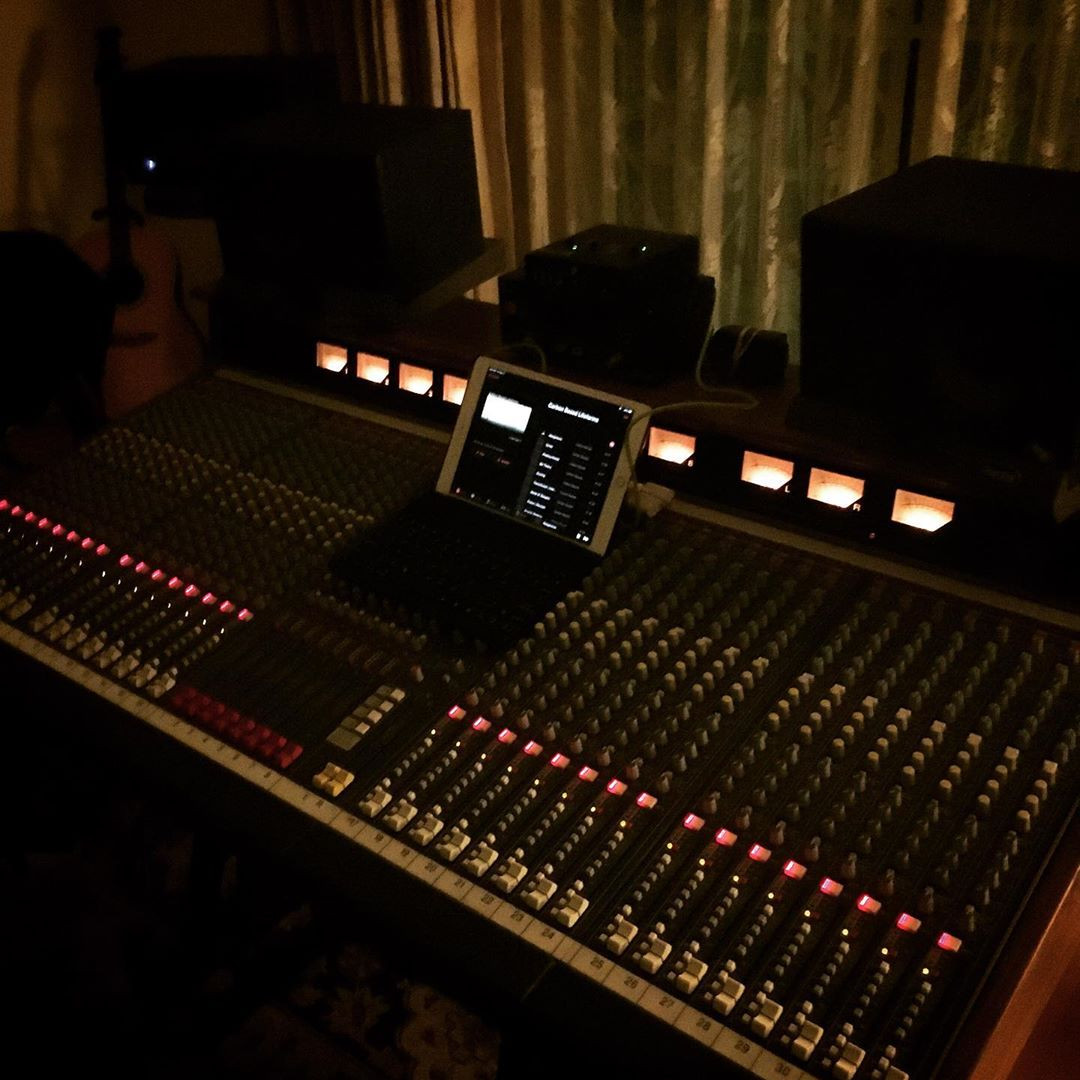
I’ll always be grateful to his engineers, Jeff Vaughan and Tim Bryson as well. I got to work on large-format consoles on a daily basis under their guidance and built good habits with planning and running a session. It was my second, hands-on education after earning my A1 at Musician’s Institute. The sheer amount of variety in musicians we would mic up and record was a huge factor in my growth as an engineer and as an arranger.
Website: synthjoy.com
Instagram: _synthjoy
Other: https://soundcloud.com/tmeracz https://www.mixcloud.com/tmeracz/
Image Credits
Downtown Cocktail Lounge, Las Vegas/DJ promotional photo credit: Sharon Louthen