Meet David Neils | Wildlife Cinematographer and Conservationist
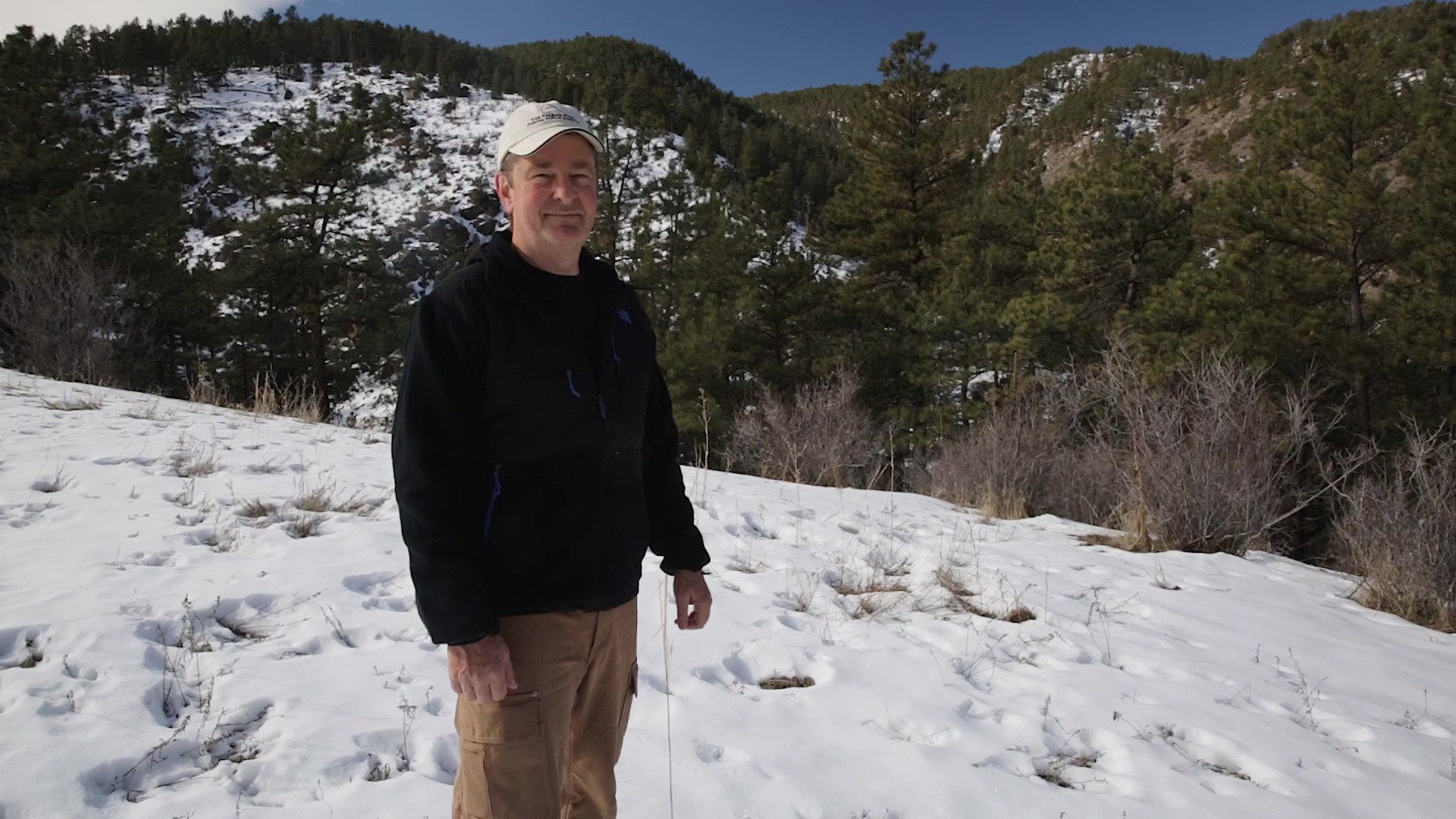

We had the good fortune of connecting with David Neils and we’ve shared our conversation below.
Hi David, can you tell us more about your background and the role it’s played in shaping who you are today?
In many ways, the name Wild Nature Media was chosen to pay it forward for the gift of growing up in the wild country of northwest Montana. Surrounded by grizzlies, wolves and mountain lions, WILD grabbed me and never let go. This lens on the world shaped what I saw, appreciated and wanted to share with others.
The Cabinet Mountains Wilderness Area was my backyard and accessible right on the edge of town. Dome Mountain, on the northern end of the range, was visible from our driveway in Libby, Montana. I was fortunate to have friends who were as passionate about spending time in this wilderness area as I was. Much of the wilderness was only accessible off trail, allowing for a more wild experience, something we all craved. My parents encouraged and supported me to enjoy these wilderness adventures. Few parents today would allow a child to venture into such a wild place without adult supervision. I was fortunate, crazy fortunate.
My wildlife photography really started when I could finally afford a Canon ftb SRL, long before DSLR (Digital Single Lens Reflex) cameras. I purchased a Tamron 300mm telephoto lens along with the standard 50mm kit lens. My first adventure with this camera was photographing wood ducks near some beaver ponds. I set up my tripod, pointed my camera with the big lens at the nesting cavity in the lodgepole pine tree and waited. Twenty minutes later a wood duck poked her head out the hole. Absolutely thrilling. I finally felt like a wildlife photographer.
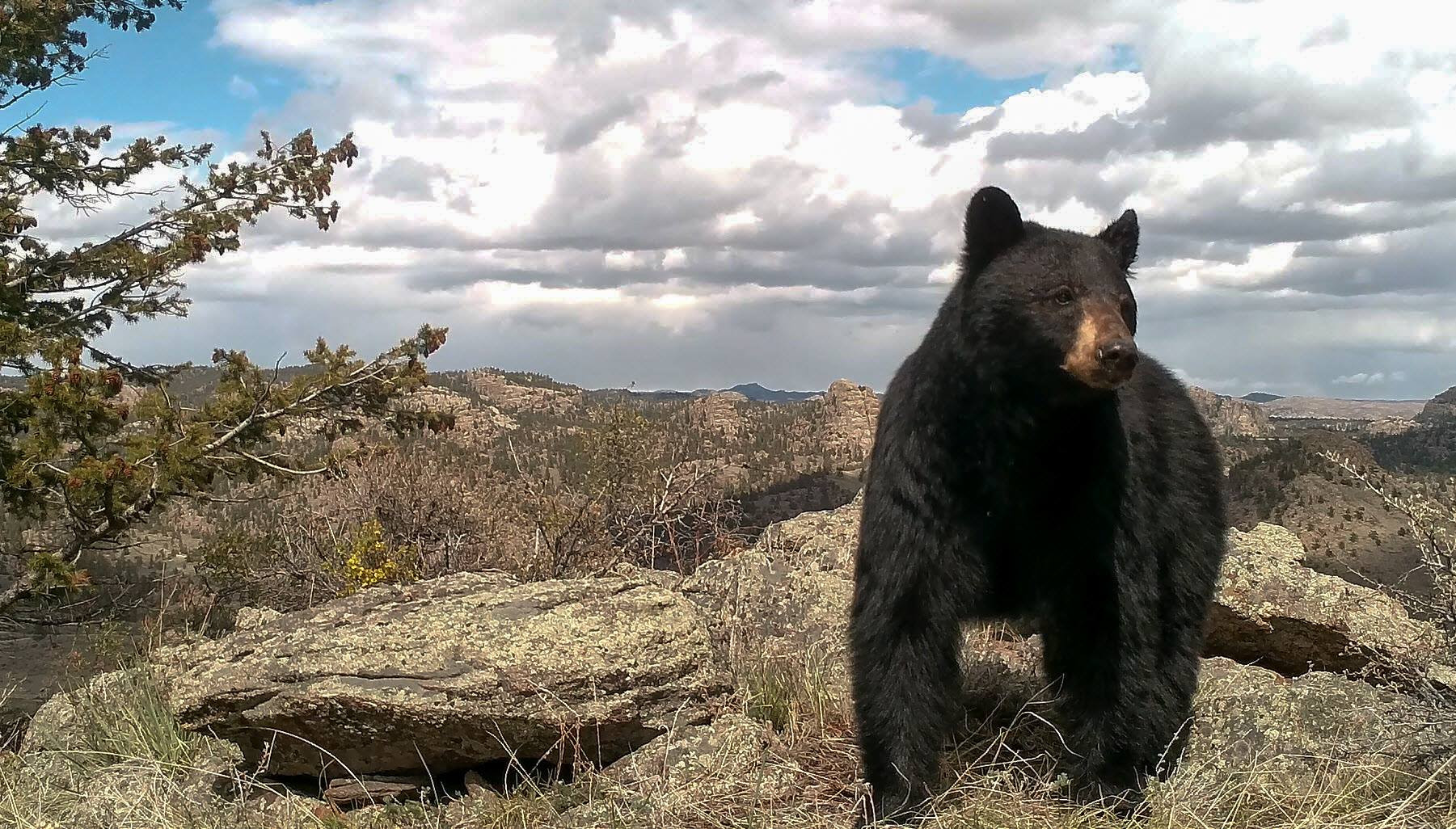
Using the long lens my field of view was very small, not much bigger than the diameter of the tree at the nesting cavity. I was patiently waiting for more wood duck activity, one eye closed and the other glued to the back of my camera. Suddenly I heard a stick break and pulled my head away from my camera to witness two bear cubs bounding up the hill toward me. They didn’t see me at first. I scanned the area for their mom and saw the sow black bear when she saw me, at about 100 yards away. She stood on her hind feet and barked at her cubs, sending them up a nearby tree for safety. Then she charged me. I had just enough time to get up a lodgepole pine and grab the first branch and swing my feet up. She had made it to the tree in a few seconds, stood on her hind legs and slapped the tree just under my lowest boot. Had she been able to sink her claws into my boot or leg, she would have pulled me out of the tree. I climbed higher and held on. She pushed on the tree to try and make me fall. After ten minutes of trying she gave up and walked off in the direction of her cubs. They scrambled down the tree and they all left in a flash. Even at that young age I realized I didn’t have a bear problem on my hands but rather a human problem. I was in their home and she was doing what any good mom would do, protecting her young. That understanding has served me well as an advocate for wildlife conservation.
After moving to Colorado from Montana I sought out wild wherever I could. I was fortunate to be facebumped by a large male mountain lion in the Never Summer Wilderness, nearly twenty years ago. After eating lunch and not getting a lot of sleep the night before due to howling winds, I realized I needed a nap. I set my pack down in this grassy area and fell asleep on my side, with my head on my left arm. I’m guessing twenty minutes later the mountain lion came up from my backside, put his head over my high shoulder and pushed on my cheek (face) with his muzzle. I bolted upright and the lion ran off. I had lion slobber on my face. I got up and looked in the Porcupine Creek drainage to the west, circled back and looked in Silver Creek to the east. Nothing. I walked back to my pack and in that time the claw marks from the lion had dried. As I sauntered down the ridge I decided I would lean in and learn everything I could about this magnificent apex predator and spend a significant amount of my life doing so. I had found wild in Colorado.
Can you open up a bit about your work and career? We’re big fans and we’d love for our community to learn more about your work.
After a childhood of spending as much time as possible in the wilds of northwest Montana, I chose to focus on becoming a professional forester, following in my grandfather’s footsteps. I spent a significant amount of time with him throughout my childhood and I was impressed with his forestry conservation focus. It was something I deeply respected and wanted to build on. Management from the top forest products companies in North America came to Libby, Montana to learn from my grandfather about sustained yeild, managing forests for the long term. Pursuing forestry was an easy decision. I headed for the University of Montana in Missoula, one of the top forestry schools in the country.
After graduating I worked as a forester in Western Montana for several years before going back to school. I liked the forestry work but the low pay wouldn’t allow me to provide for a family, something I wanted. I attended Colorado State University and pursued a software engineering master degree and started working for Hewlett-Packard. That was a great ten year job and during my time there I had a chance to pay it forward and launch an international academic mentoring program for students. I directed that program for twenty seven years. During this time I married and we had a daughter. Directing the mentoring program was very rewarding and physically and mentally exhausting. After twenty seven years it was time to do something new.
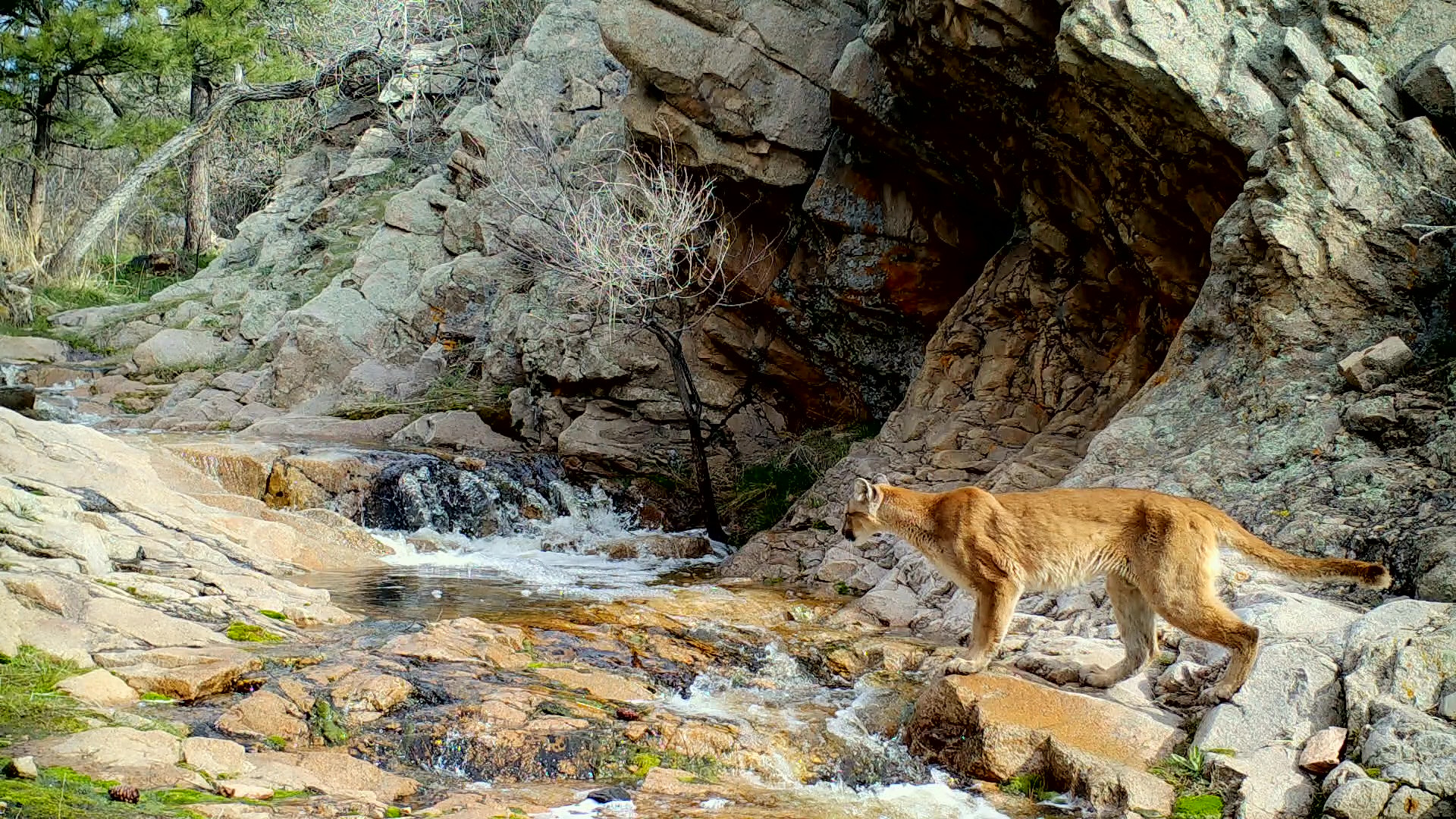
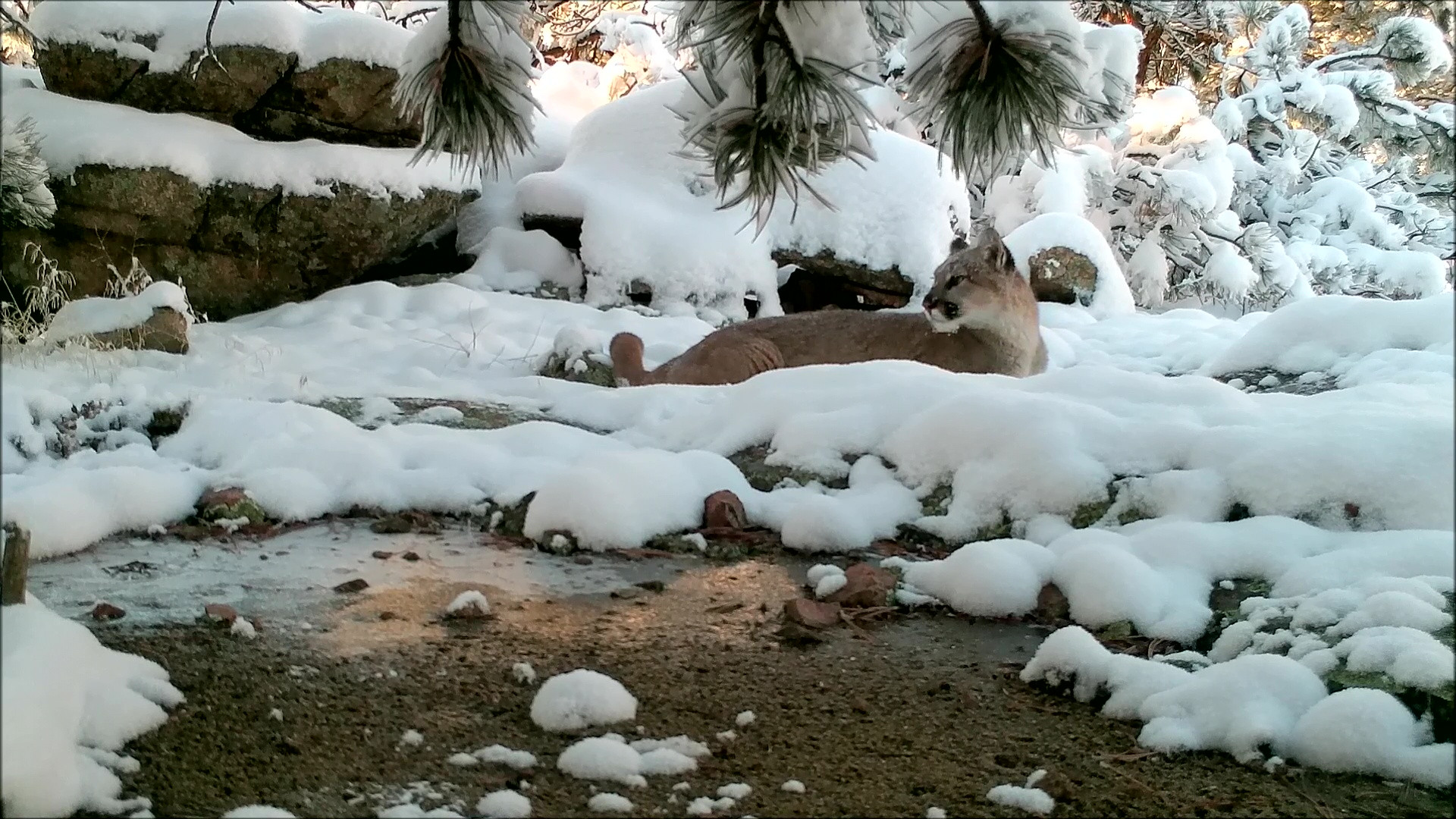
Returning to my roots I launched Wild Nature Media with a focus on wildlife cinematography, education, conservation and research. I’ve spent the last twenty years primarily filming and studying mountain lions as well as many other species. Mountain lions are a misunderstood apex predator. Elusive, many people will never see a mountain lion in their lifetime. And yet, they are one of the most predictable animals I’ve studied in North America. That combination is absolutely fascinating, elusive yet predictable.
There is something absolutely primal about spending time in a wild place where mountain lions are active. It activates a strand of my DNA that simply can’t be activated any other way. When I see the first fresh mountain lion track of the day, I can actually feel my heart rate drop because of what that track represents. When I first started studying mountain lions, I noticed they were drawn to some of the best wildlife habitat with incredible wildlife species diversity, plant diversity, clean sources of water, and minimal impact from people and livestock. But years later I began to better understand the full story. As a keystone species, mountain lions have an enormous impact on the quality of an ecosystem by keeping deer, elk, moose and other animals constantly on the move. This protects and enhances the riparian areas, the most important areas for wildlife.
I appreciate what we have in Colorado. I’m surrounded by people and organizations that deeply care about wise management of our natural resources, wildlife conservation and the wild places that surround us. There is enormous pride in our natural spaces. I’ll live out the rest of my life here.
Let’s say your best friend was visiting the area and you wanted to show them the best time ever. Where would you take them? Give us a little itinerary – say it was a week long trip, where would you eat, drink, visit, hang out, etc.
Most friends who visit are interested in spending time in the great outdoors. I start by leaning in and listening to what would bring them the most joy. From there I’d think about places and experiences they’d never have otherwise, like waking up to a sunlit meadow at timberline with the sun bathing everything around them. We’d saunter on and off trail to places that are magical that few people ever see.
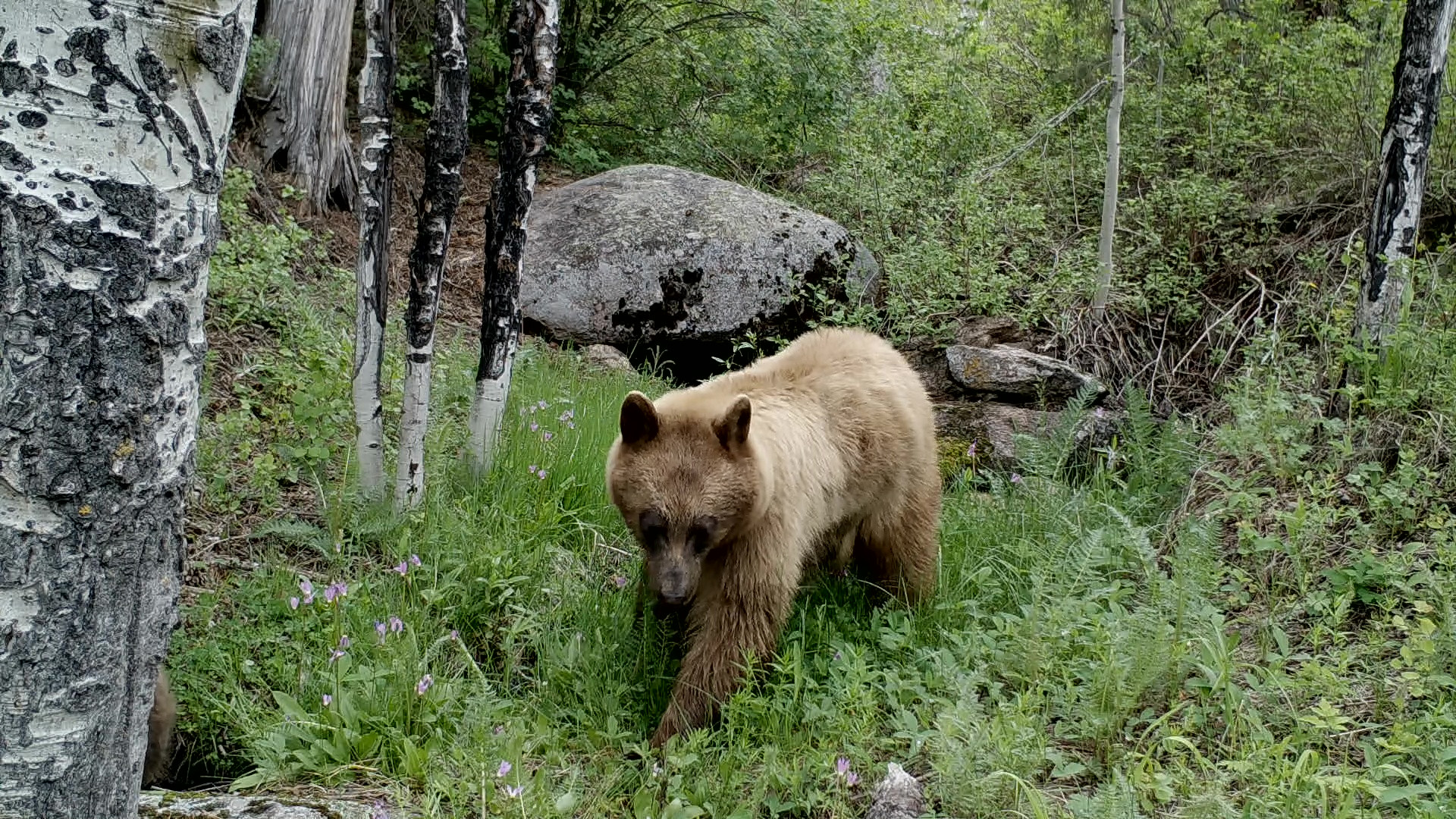
If it was in early September I’d take them to Sylvan Dale Guest Ranch to view the black bears foraging on wild plums. We’d start hiking up the gulch at 6 am to take advantage of the cold air draining down the valley, ensuring the black bears wouldn’t smell us. Then we’d find our own plum bushes to sit behind and watch and wait until we saw bushes moving, knowing bears are enjoying the delicious fruit. About every five to ten minutes the bears will stand on their hind legs to see where the other bears are. It’s a primal experience knowing the bears have no idea we are there while watching them do what bears do naturally in a wild place.
In the evening we’d hike along a favorite creek, listening for Northern Pygmy Owls, one of the few owls that hunt during the day in North America. They have eye discs in their feathers on the back of their heads, allowing them to hunt during daylight without being attacked by another raptor. In the bird world. birds are hesitant to attack another bird that is looking at them. These eye discs look more like eyes than the real eyes of a Northern Pygmy Owl.
The Fort Collins, Loveland area of Colorado offers endless places to eat and enjoy craft beer. I’d opt for Odell’s Brewery as they have an incredible outdoor area. I worked with Wynn Odell when I was employed as a software engineer at HP. She and her husband Chris had moved to Fort Collins from Seattle and I remember she was very concerned about the demand for microbrews. Odell’s Brewery has been very successful and paved the way for many more breweries to get started and thrive, including New Belgium Brewery.
Who else deserves some credit and recognition?
There are many people to thank. Childhood friends like Dean Byrns, Jonathan Kempff, Glenn Ingrum and Jack Clawson raised the bar on who I’d become. Good people who were passionate about wild places.
There are many more, including the conservation work done by John Muir and Jane Goodall. They have shaped the focus of Wild Nature Media to a large degree. Followed up by Penny Maldonado, executive director of the Cougar Fund, the best nonprofit organization supporting mountain lions in the United States.
A big thank you to Jim Williams, author of Path of the Puma, and a lifetime wildlife conservationist and wildlife biologist. Few have lived life closer to these apex predators. His initial work in the Bob Marshall Wilderness as a graduate student was groundbreaking. I know of nobody who understands mountain lions better, from the Yukon to Chile. And Jim lives conservation every day. Instead of simply retiring from Montana Fish Wildlife and Parks and playing golf, he’s engaged as a leader in more conservation work from Montana.
Jenny, the love of my life, has taught me a great deal about sauntering in nature, slowing down, not missing anything. My time afield is much richer because of her.
And finally, my parents. They supported me fully to spend thousands of hours in the backcountry as a child. I know of no parents today that would allow a child to spend up to ten days at a time in the wilderness without adult supervision. I was extremely fortunate. This has turned out to be the greatest gift of my life. I’m honored to pay it forward and help others activate a wild strand of their DNA.
Website: www.wildnaturemedia.com
Instagram: https://www.instagram.com/wildnaturemedia/
Linkedin: https://www.linkedin.com/in/davidbneils/
Facebook: https://www.facebook.com/david.neils/
Youtube: https://www.youtube.com/c/WildNatureMedia
Image Credits
David Neils