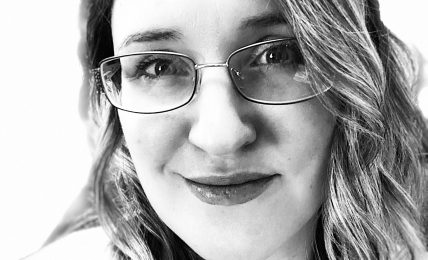
Meet Dr. Amanda Etienne | Clinical Anxiety & Trauma Psychologist
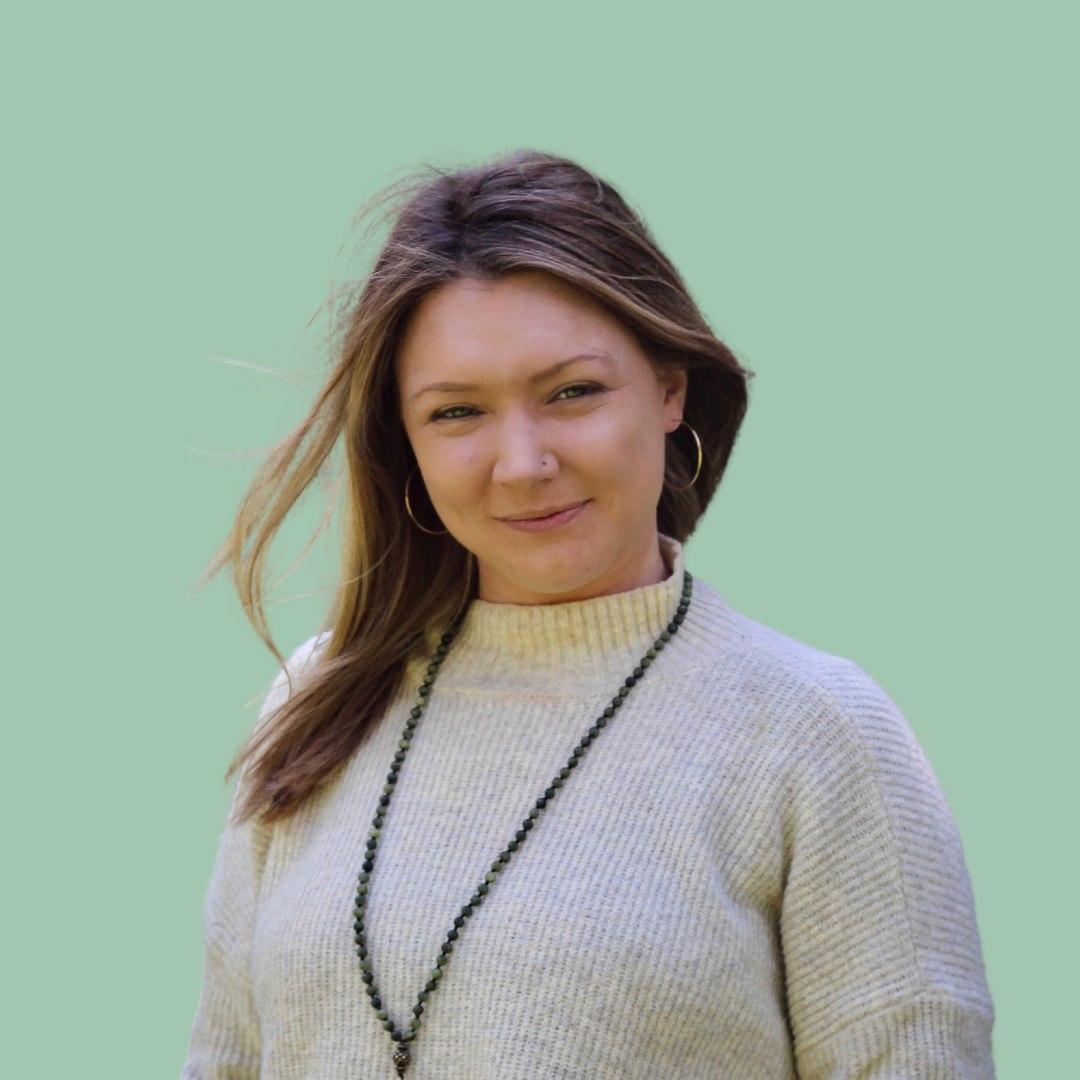

We had the good fortune of connecting with Dr. Amanda Etienne and we’ve shared our conversation below.
Hi Dr. Amanda, how do you think about risk?
Risk feels like an inevitable part of growth to me. It can feel easy to stay in a comfort zone where outcomes feel guaranteed, but for myself and a lot of folks I work with, that feels limiting and ends up with feeling “stuck.”
A primary approach I use in my clinical work, Acceptance and Commitment Therapy, or ACT, shapes how I think about risk too. ACT is rooted in the idea that moving toward what matters to us is worth it, even when it’s uncomfortable or painful. Risk, at its core, is that same thing – choosing to move forward without a guaranteed outcome because something meaningful is on the other side.
That framework has guided a lot of my own decisions, both in building my practice and in life more broadly. It doesn’t make the uncertainty easier, but it makes it feel worthwhile.

Can you give our readers an introduction to your business? Maybe you can share a bit about what you do and what sets you apart from others?
I work with high-achieving women who are holding everything together on the outside while quietly navigating anxiety, trauma, or burnout underneath. The women I work with are often accomplished, capable, and used to figuring things out on their own – and that’s exactly what can make it so hard to ask for help. My practice exists for them.
Before going into private practice, I worked in community mental health and hospital settings. Those experiences gave me a deep clinical foundation, but what I kept coming back to was individual work — the kind of focused, ongoing therapeutic relationship where real change actually happens. Starting my own practice was the natural next step, even if it wasn’t the easy one.
Building a client base from scratch is humbling. There’s no institution behind you, no built-in referral stream. You have to show up consistently and trust that the right people will find you. One of the primary frameworks I use, Acceptance and Commitment Therapy, kept me grounded through that process. It’s hard to ask clients to move toward discomfort if you aren’t willing to do it yourself.
What sets my work apart is that I bring both clinical rigor and genuine personal investment to every client I see. I’ve experienced firsthand how it feels to check all of the boxes but still feel like something is missing. I also know how much it matters to not feel alone in something hard, and how powerfully reducing shame can open the door to change.
What I want people to know about my practice is simple: this is a space where high-achieving women don’t have to perform. Whatever you’re carrying (anxiety, trauma, the weight of always being the one who has it together), you have a space here.
Any places to eat or things to do that you can share with our readers? If they have a friend visiting town, what are some spots they could take them to?
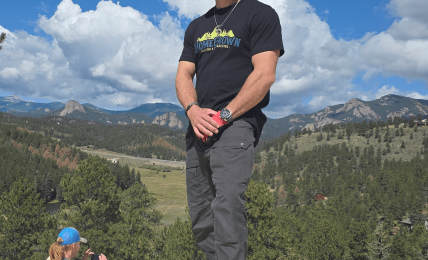
A week in Colorado with me would be pretty heavy on the outdoors. Some of my favorite places to take visitors are Red Rocks (whether there’s a concert or not), Wash Park, and Lookout Mountain. If we go outside of the city, hiking in Nederland area or heading up to Rocky Mountain National Park would be an ideal day.
Who else deserves some credit and recognition?
I would love to dedicate my shoutout to the Bay Area Trauma Recovery Clinic, whose compassionate and skilled supervisors, including Drs. Matthew McKay and Robyn Walser, trained me in many of the therapies I use today, including ACT, EMDR, and more. They provide affordable trauma care in the Bay Area in California, and I wouldn’t be the clinician I was today without them.
Website: https://amandaetiennepsyd.com
Instagram: https://instagram.com/that.anxiety.therapist
Image Credits
Birdy Sutton Donovan