Meet Mario Aschauer | Performer, conductor, and musicologist


We had the good fortune of connecting with Mario Aschauer and we’ve shared our conversation below.
Hi Mario, what was your thought process behind starting your own business?
I think, at best, it is an artistic idea and/or vision that inspires the creation of a new band, choir, or orchestra. In my career it always has been, anyway. For example, when I was still in high school in Austria back in the late 90s it happened by coincidence that several of my friends got interested in performing on historical instruments. Ernst Schlader, today one of the most sought-after historical clarinetists in Europe, had received a pair of original clarinets built around 1805 from a Benedictine monastery. And together we developed the idea to create an orchestra to perform music from that period on authentic instruments. Now, 20 years later, and after having lived in the US for 8 years, I felt a thirst to gather the latest generation of early music specialists to explore repertoires and playing styles that I have been researching and cultivating my entire life. And that’s what lead to the creation of Harmonia Stellarum.
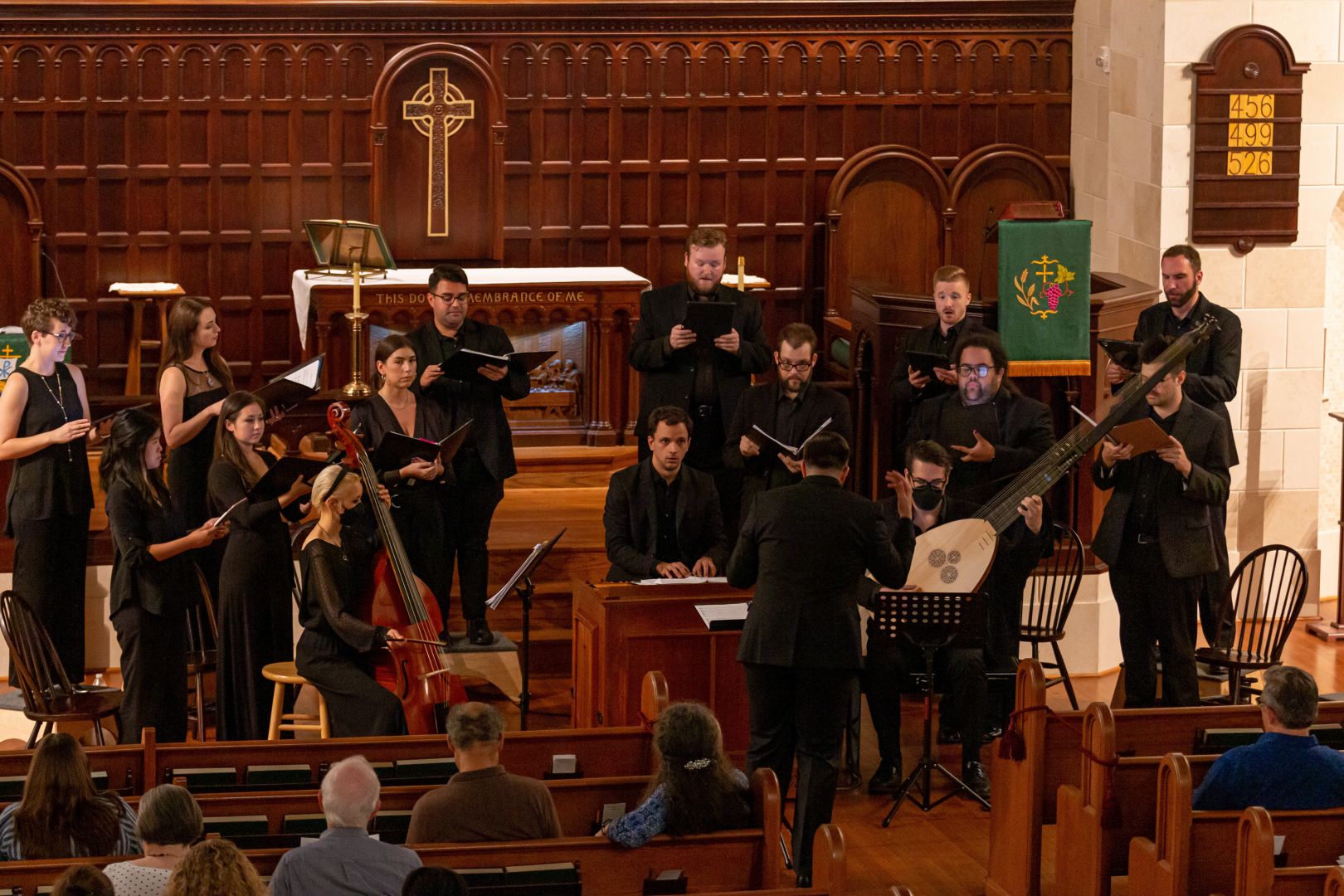
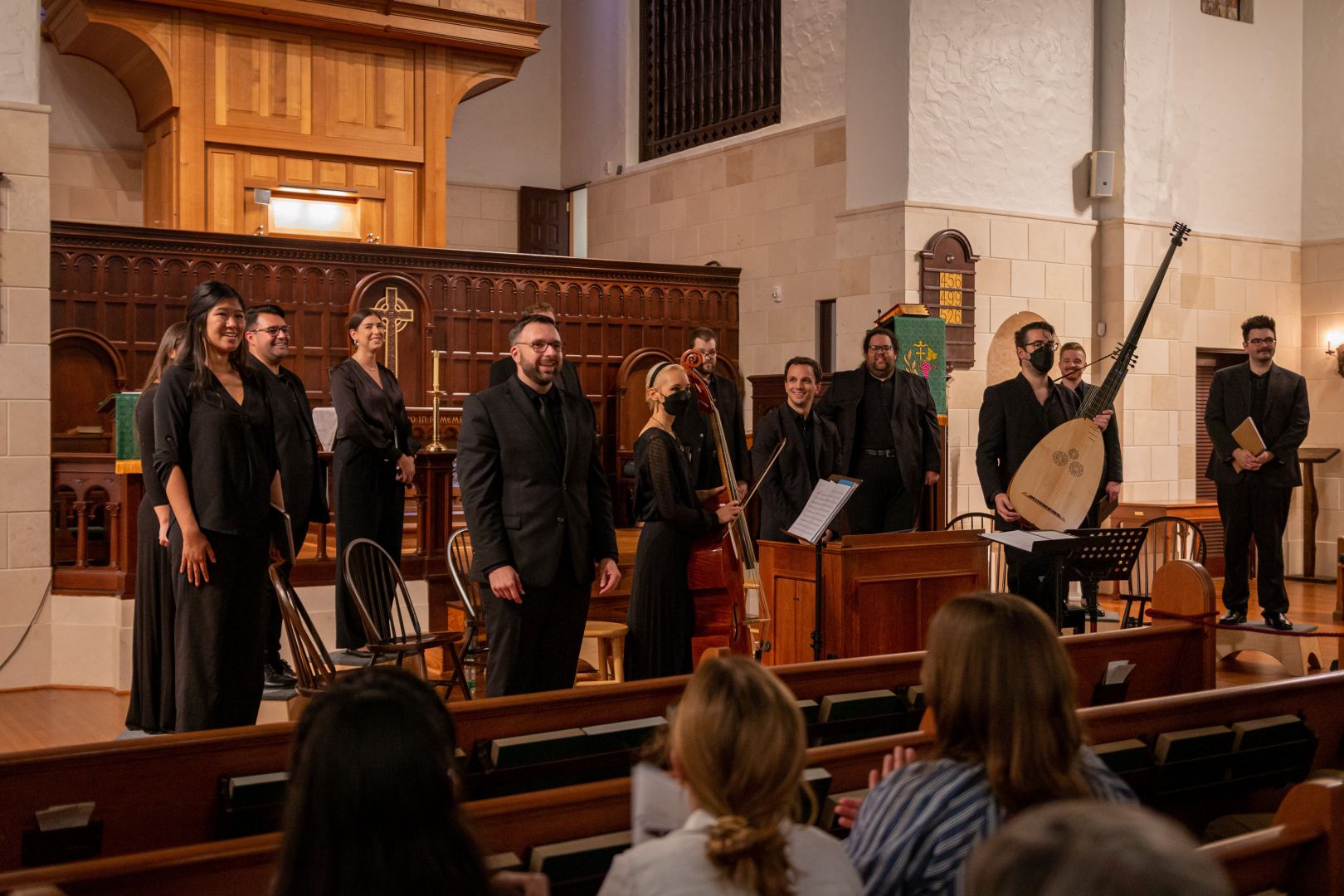
Can you open up a bit about your work and career? We’re big fans and we’d love for our community to learn more about your work.
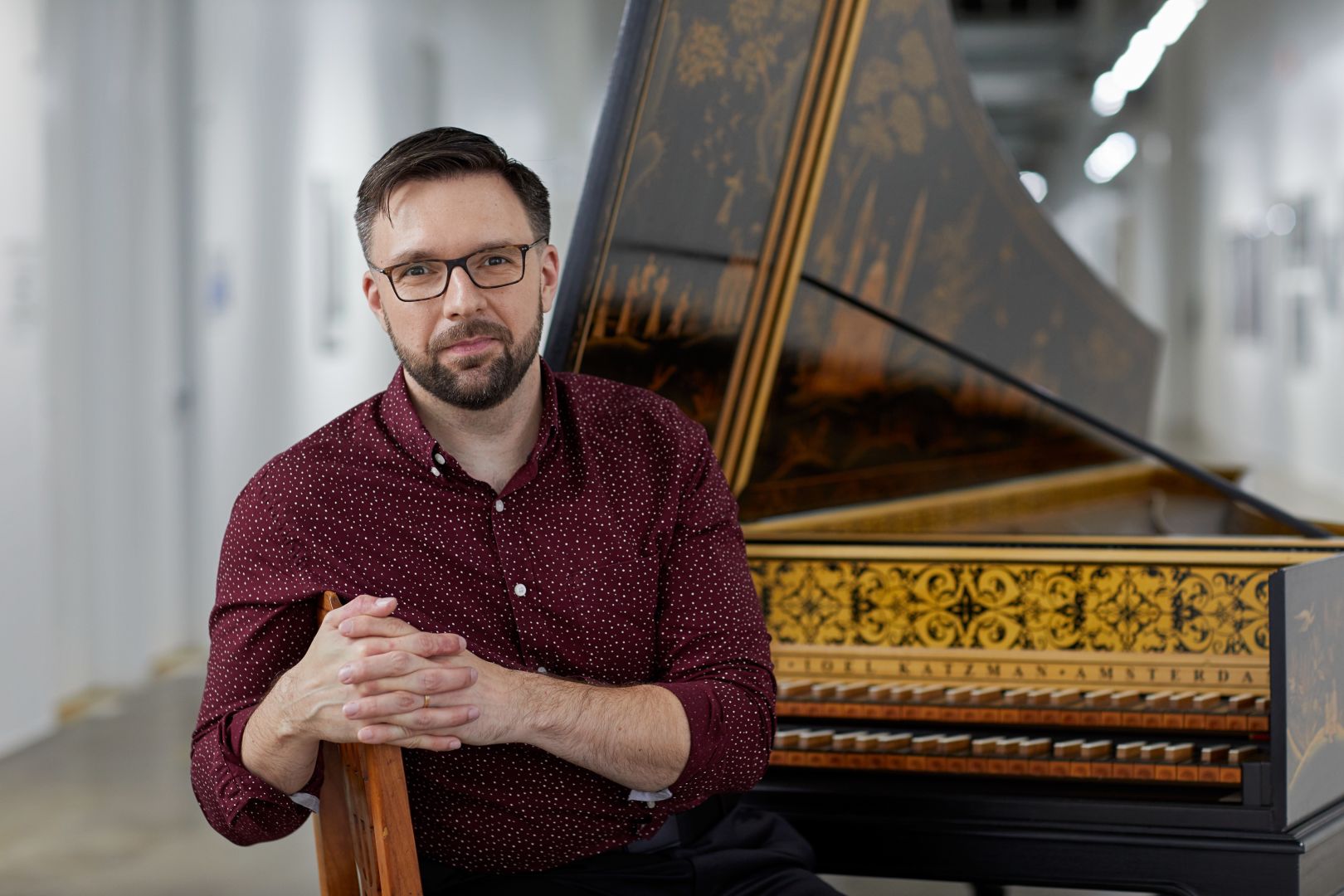
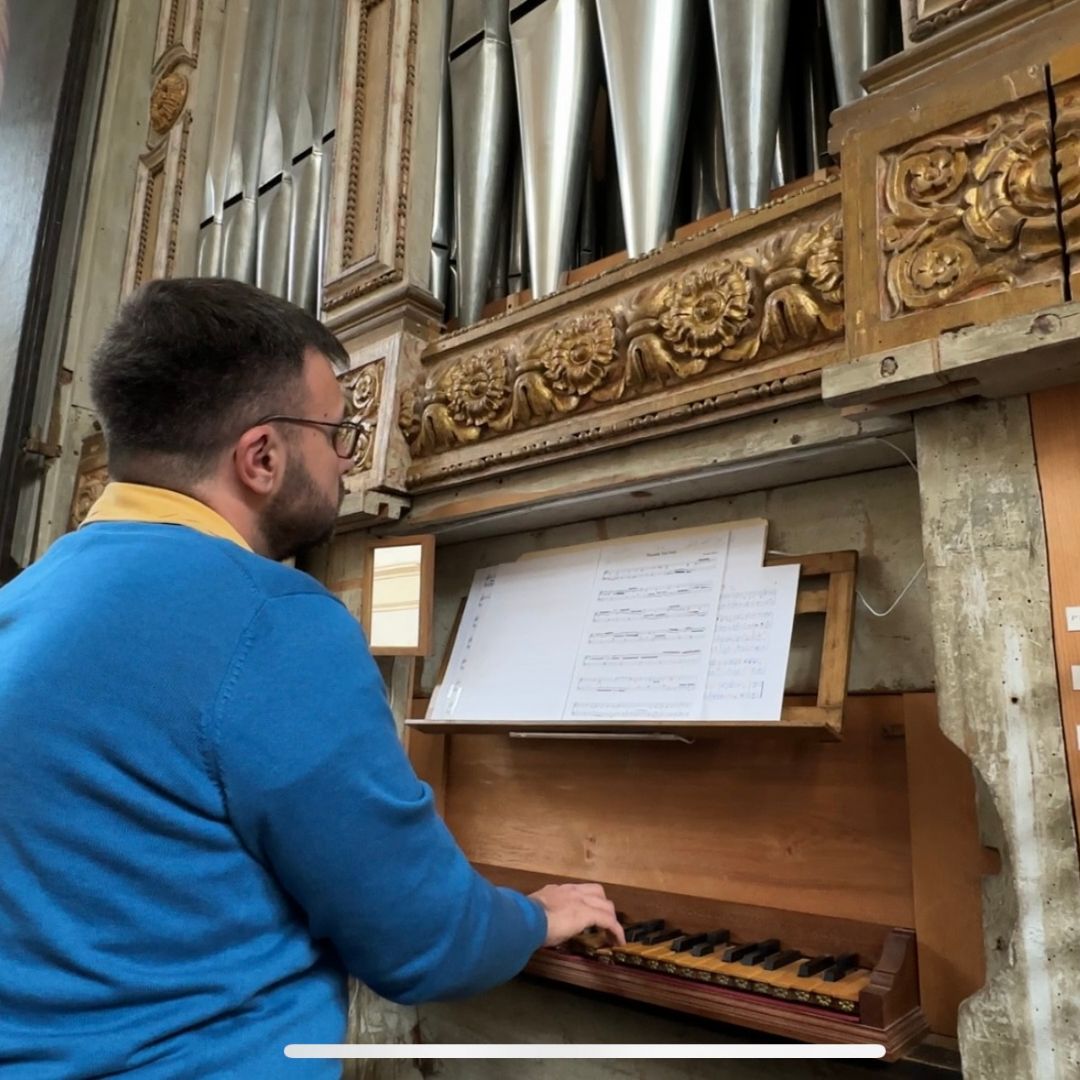
I’m a musician performing music that was composed centuries ago on instruments from that time period. For example, I just returned from a tour to Austria, Germany, and Italy performing organ music that I had discovered in an early 17th-century manuscript in a monastery in Vienna on an organ that was built around 1565. On the same trip I got to play several similar instruments, one of which was built by Lorenzo da Prato in 1471. In other words, 20 years before Columbus set sail to the New World—one of the most mind blowing experiences of my career.
I got interested in this kind of repertoire and instruments when I was a student in my native country Austria. I was enrolled at the Linz Bruckner Conservatory studying piano and conducting when I was still in high school. And there I met one of my teachers, August Humer, who was an amazing performer on historical keyboard instruments. He not only incited my love for the harpsichord, but he also gave me the idea that as a performer on historical instruments, a strong academic background would be necessary. It’s because of him that I got a PhD in musicology and later had exactly the type of portfolio that got me my university position in Texas.
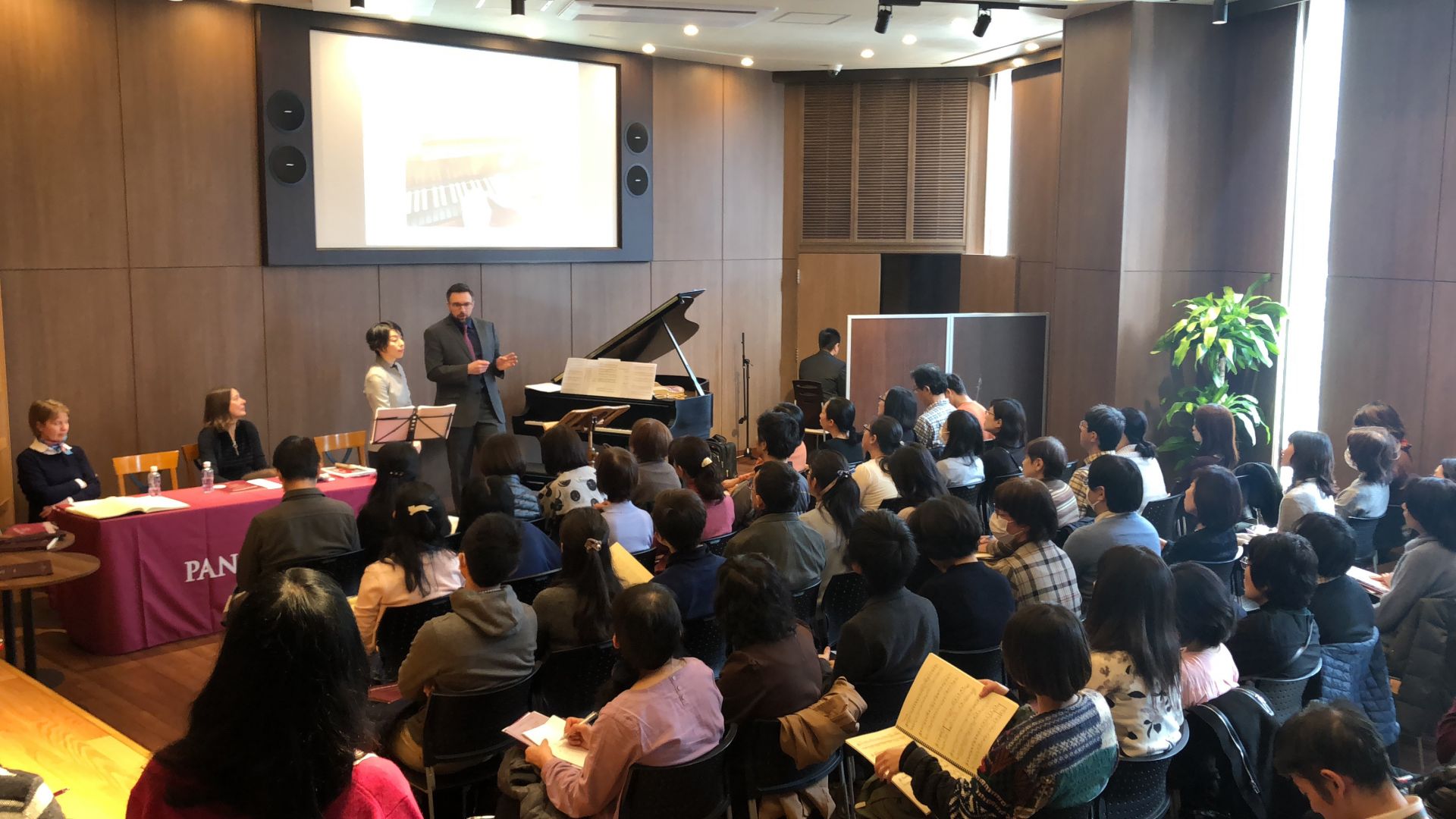
I always just wanted to make a stable living as musician. So in a way, my goal has always been rather humble. It was never about fame, stardom, or anything like that. Perhaps for that reason I never perceived my path as particularly difficult. Music has been on my mind 24/7 as long as I can think. So I always just kept doing what I loved. Today I am a tenured professor performing pretty much all over the world. No words can express how lucky I feel.
Any places to eat or things to do that you can share with our readers? If they have a friend visiting town, what are some spots they could take them to?
Houston is the most diverse city of the US. As such, it offers virtually endless riches of authentic food from all over the world. In particular, barbecue at Hickory Hollow, tacos at La Bala, Southern Indian food at Shiv Sagar, and Burgers at Barnaby’s are gastronomic experiences not to be missed in Houston. Europeans typically imagine Texas like Arizona (desert, tumble weed, cactus, …), so I love taking them to the Hill Country or other surrounding State Parks to experience how incredibly green this part of Texas is, particularly during wild flower season in the spring. No visit to Space City Houston is complete without a day at NASA.
Shoutout is all about shouting out others who you feel deserve additional recognition and exposure. Who would you like to shoutout?
One of the beauties of music is that it is both a field of creativity, but also a gift that is passed on from generation to generation. In the most harmonic way, music inseparably connects tradition and innovation. Consequently, as musicians we owe almost everything to our teachers, and their teachers, and their teachers … A few years ago I read a newspaper article about this guy who traced the lineage of his teachers all the way back to Mozart. That got me thinking and I sat down and with the help of Wikipedia I drafted a kind of family tree of my teachers. Within a few generations there are names like Schoenberg, Bruckner, Beethoven, Haydn, and many more. While I had always felt deep gratitude towards my teachers that made me realize a completely new dimension of “interconnectedness” with the musicians of the past and, by the same token, the debt to be repaid as teachers of future generations of musicians. In fact, that is my main reason why I teach at a university.
On a more personal level, I would say it’s literally everyone around me in my life, parents, family, partners, friends, and colleagues that have allowed me to grow into the musician I am today. Just to give you an idea how broad the spectrum is: I include my parents, my husband, by Zen Buddhist teacher, and my weightlifting coach—and hundreds of other people in my life.

Website: www.mario-aschauer.com and www.harmoniastellarum.com
Facebook: facebook.com/mario.aschauer.1 and facebook.com/harmoniastallarum
Youtube: youtube.com/marioaschauer
Image Credits
Nate Smith


