Meet Matthew Fields | Landscape Designer


We had the good fortune of connecting with Matthew Fields and we’ve shared our conversation below.
Hi Matthew, we’d love to hear about how you approach risk and risk-taking
When given an opportunity that is risky, I approach it with pragmatic calculation. It is important to weigh all options, assess the resources available, and consider all variables for the possible outcomes. We can only control what we can control, but it doesn’t hurt to have Plan A to Plan Z.
Calculated risks offer a change in the status quo and can manifest novel approaches to different solutions that might have been lingering elsewhere or nonexistent. Life changing decisions often have elevated risk; research and analysis are my guides to traverse those uncertain decisions. One must be willing to lose a little to gain, nothing in this world is free. And, with a plan, the costs can be predicted.
I moved out to Colorado in 2011 from Virginia with only one point of contact, a friend. With no support system other than my friend, I was dependent on my premeditated decision to move and start another chapter in my life. Before I moved, I spent over a year creating a sustainable budget, researching job prospects and pay rates, investigating housing options and costs, and all those other vexatious nuances associated with moving.
A few months before my migration, I revised and updated my resume and started applying to have work for when I arrived in Denver. While driving across the country, I received a call for a job offer. The risk to move was paying off; I was employed because the effort I put into planning my possible outcomes.
Entrepreneurship requires risk. However, with a plan, a map, and tools, one can circumnavigate the problematic maelstroms of business. When I wanted to become a landscape designer, I had no idea where to start. At the time, I was working as a baker overnight and had been doing so for 13 years, a baker’s dozen. I knew I had a passion for gardening and affection for flowers.
So, I got to work; I educated myself at Front Range Community College in business and horticulture. Through school, I built industry connections. An adjunct teacher at the college was hiring for installation crew members, so I applied and made the switch from food industry to the green industry. It is important to start from the bottom of a company and work up. It allows one to fully understand all the working components within the industry or company.
Eventually, I gathered enough information from the green industry to create a business plan, develop a business model, draft a mission statement, and acquire my business license and name. With the help of a friend, we worked together to create a logo and branding for my business.
No person is an island. It is important to utilize the resources around oneself. Resources can look like family, friends, colleagues, special interest groups, etc. Having a diverse social group is positively essential. Different backgrounds offer different experiences, approaches, ideas, and interests. Resources can be where one least expect them.
When starting Fields Landscape Design, I remained working full-time with another landscape design and installation company in Boulder. I realized it would take time to generate enough clientele to provide myself full-time work. For Fields Landscape design, I use my primary job to support my main finances while I grow my business with the direct profits.
For me to be able to balance both jobs, Fields Landscape Design operates on Fridays and Saturdays. Approaching my new business like this allows my business to mature without the struggles of having to stay afloat and support myself completely. My primary job is the resource that permits me to do freelance landscape design.
Risk is rewarding and when approached practically and with organization, it can pay off handsomely. Taking the time to evaluate the consequences, whether good or bad, offers one the ability be more prepared to make sudden changes and adjustments to the plan. The business waters are perilous enough, so having a sturdy strategy is imperative for survival.
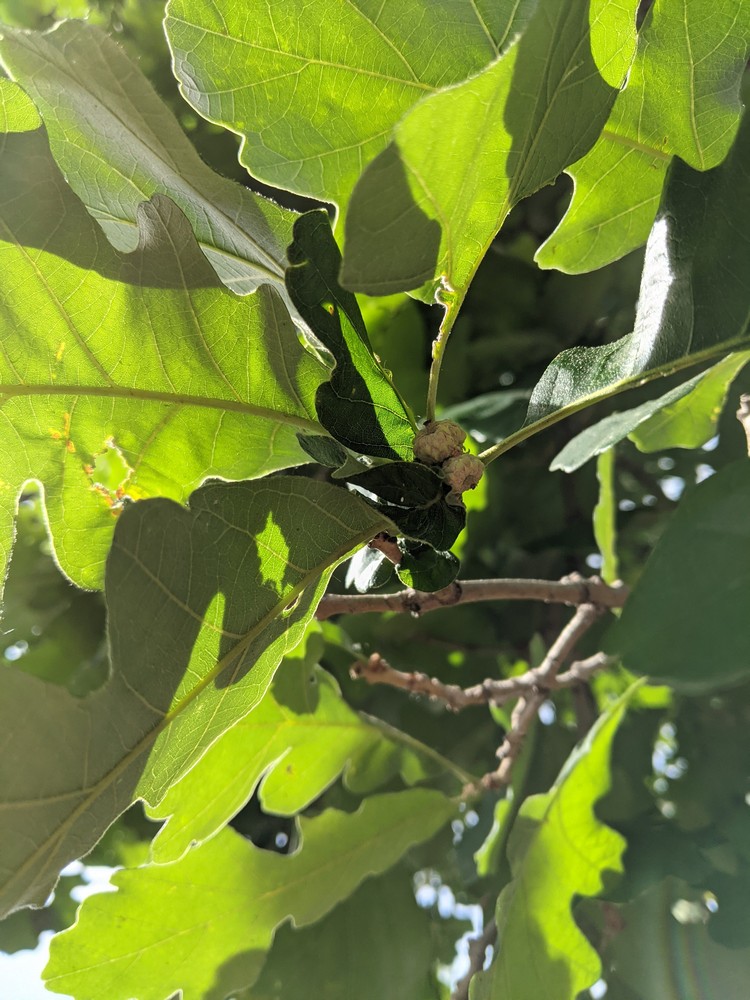
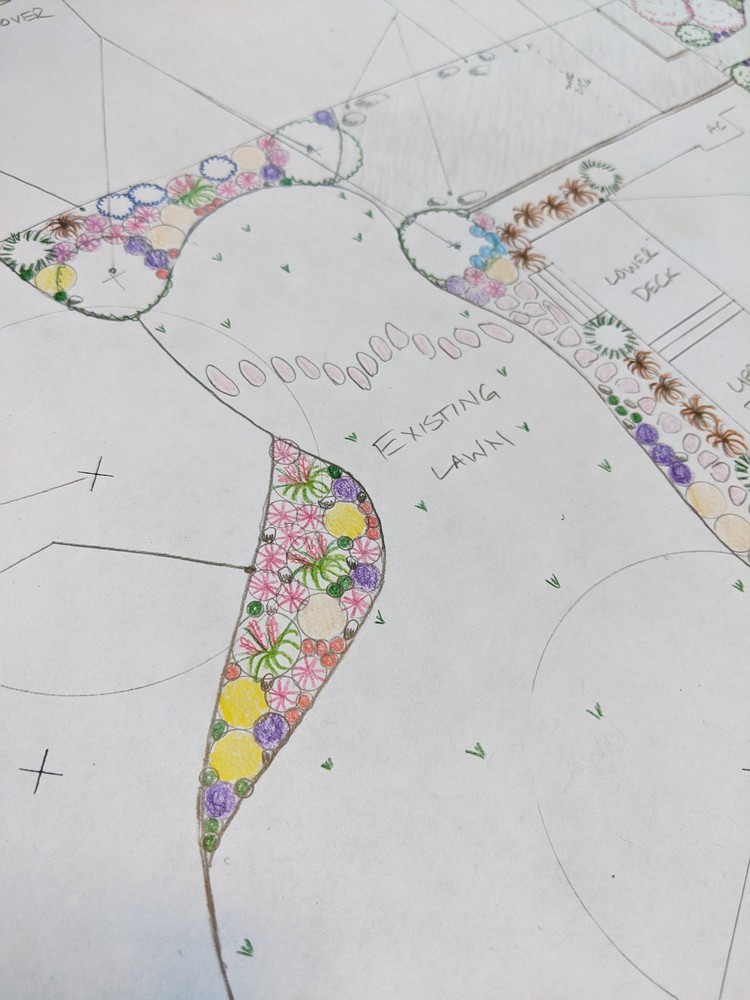
Can you give our readers an introduction to your business? Maybe you can share a bit about what you do and what sets you apart from others?
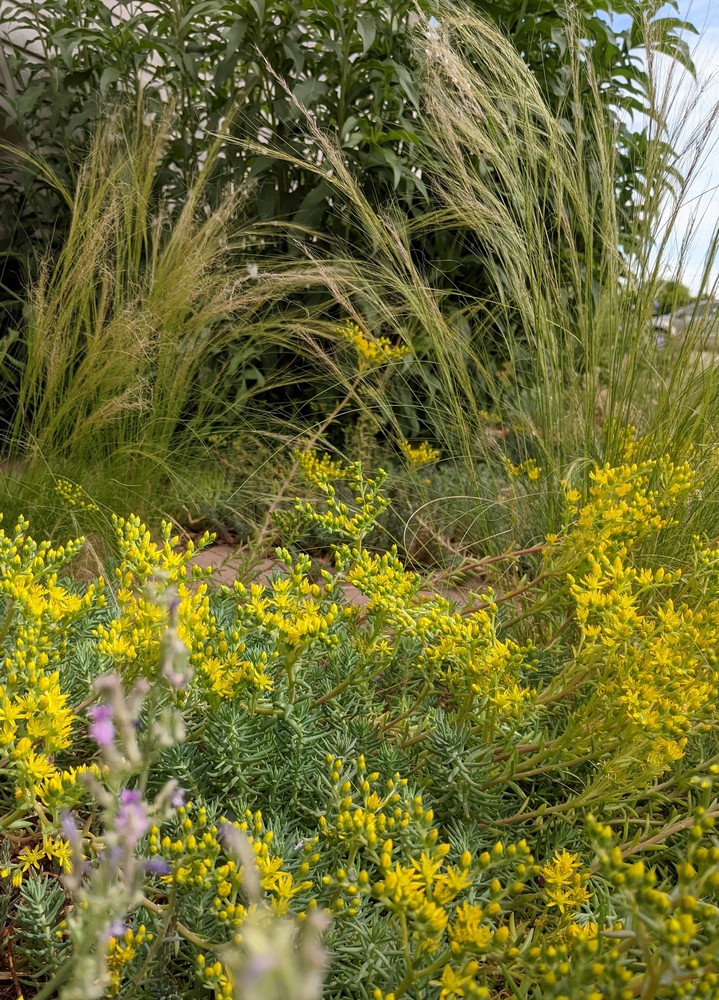
Fields Landscape Design focuses on landscape designs that studies local nature and provides sustainability and beauty to landscapes with the focus on do-it-yourself landscape installation and garden education. Nature is a well spring of inspiration; beauty is abundant all around us. Looking towards natural landscapes, the similar principles of design can be applied throughout the garden.
Fields Landscape Design focuses on native and low water use plantings with an attention to sustainable practices and awareness to improving soil health. A beautiful landscape or garden can be lush and floriferous without excessive water use when soils are healthy, and thoughtful designs include plants that are intended for the environment and climate in which they grow. Gardens and landscapes can bring people and nature together in harmony.
The Denver Metro area continues to grow. Some clients are more familiar with other growing zones and climates compared to Colorado. With Fields Landscape Design, I can teach people the principles of xeriscaping and sustainability as it applies to the various life zones in Colorado; Plains (3,500 to 5,500 feet), Foothills (5,500 to 8,000 feet), Upper Sonoran life zone (7,000 to 8,000), Montane life zone (8,000 to 9,500 feet), and Alpine life zone (above 11,500 feet).
Native plants offer a food source for local wildlife and pollinators. It is more crucial than ever to work in synchronization with the world around us. Stewardship of the land can start as simply as creating a native annual, perennial, and grass prairie in the front yard if you are in the plains region of Colorado. This can provide food for local fauna.
Landscapes can be more than bluegrass lawns, especially in states where water usage is better preserved when using native plants. Water is vital to life, and we can use our landscapes to honor its importance.
Over the years, I have learned the importance of education. The world is always changing around us, and we need to learn and adapt. New information and discoveries are happening every day.
Perseverance and tenacity are other lessons that any entrepreneur will need to learn. Success typically doesn’t happen overnight. It takes determination and passion. Without passion and enjoyment for plants, I would not have had the gumption to switch careers or to start my own business.
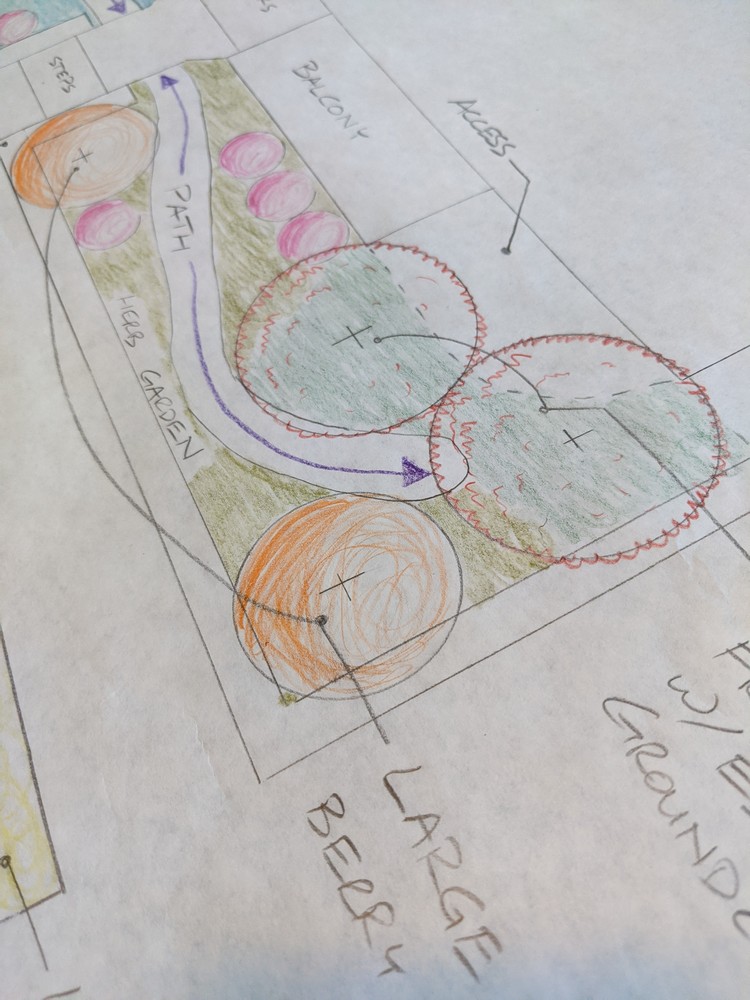
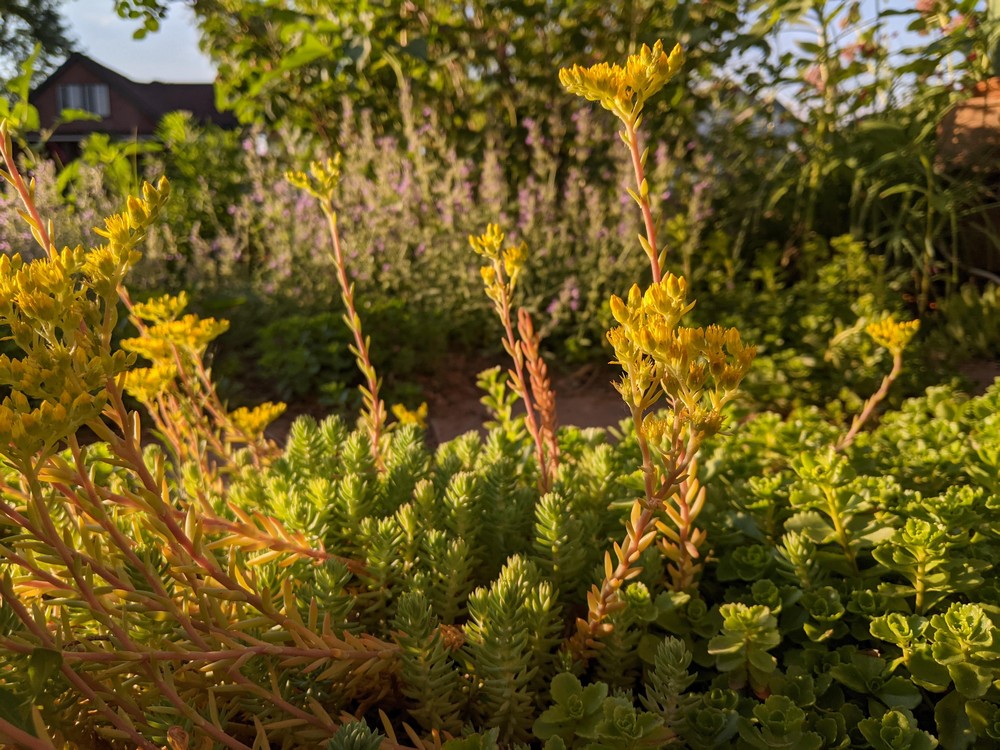
Let’s say your best friend was visiting the area and you wanted to show them the best time ever. Where would you take them? Give us a little itinerary – say it was a week long trip, where would you eat, drink, visit, hang out, etc.
DAY 1 – Golden o Lookout Mountain
o Downtown Golden – Shops and Restaurants
o Dinosaur Ridge
DAY 2 – Denver
o Denver Botanical Gardens
o Denver Zoo -The horticultural team works with DBG to help give the animals a diverse food source
o City Floral
DAY 3 – Denver
o Art Museum
o The Empress
o Denver Museum of Nature & Science
DAY 4 – Boulder
o The Mork and Mindy house
o Pearl Street
o Chautauqua Park
DAY 5 – Estes Park
o The Stanley Hotel -Historic and Ghost Walking Tour
o Downtown Estes Park
o The Roosevelt National Forest
DAY 6 – Longmont
o Downtown Longmont
o Cheese Importers
o St Vrain State Park
DAY 7 – Fort Lupton, Keenesburg
o I live and operate Fields Landscape Design out of Fort Lupton.
o Wholly Stromboli
o KM Cup
o Keenesburg Wildlife Refuge
The Shoutout series is all about recognizing that our success and where we are in life is at least somewhat thanks to the efforts, support, mentorship, love and encouragement of others. So is there someone that you want to dedicate your shoutout to?
Front Range Community College offers a fantastic horticulture program that I attended to earn my certificate in horticulture. Ray Daugherty and Dan Bacheler were the amazing instructors that took the initiative to really aid in the education of their students. Front Range Community College is a great school for persons looking to make career changes. Many horticulture program teachers were adjunct teachers that worked full time within the green industry allowing them to impart practical principles and experiences. I met Alison Peck at Front Range Community College Westminster campus.
Much of my success in the green industry is due largely to Alison Peck of Matrix Gardens. She was a sustainable landscape pioneer for Boulder and the Front Range.
Alison was a passionate educator of sustainability, water conservation, wildlife habitat, and the use of native plants. She taught design and sustainable landscaping classes at Front Range Community College and Harlequin’s Gardens; and, lectured at the Colorado Native Plant Society and Audubon Rockies Conferences.
As a founding member and leader of the Front Range Landscape Sustainability Coalition, Alison hosted conferences and promoted sustainability in the landscape industry.
In recent years, she was exploring carbon sequestration in soils, regenerative agriculture, and Slow Money actions to capitalize these efforts on small farms. Those wishing to donate in her memory can contact the local SOIL organization (Slow Opportunities for Investing Locally) at slowmoney.org
Using her philosophies, Alison founded her business Matrix Gardens which was one of first woman-owned landscape businesses in the area; one that promoted drip irrigation and xeriscape.
A longtime member of Associated Landscape Contractors of Colorado, she received recognition for her residential designs and education efforts as she encouraged her clients outside to reinhabit where they live, in splendor.
Though Alison is greatly missed, Matrix Gardens continues to operate, embodying her vision of a high-quality, supportive workplace creating world-class, earth-sustaining landscapes that are meaningful, purposeful, and picturesque.
Instagram: https://www.instagram.com/fieldslandscapedesign/
Linkedin: https://www.linkedin.com/in/matthew-fields-294226113/
Twitter: https://twitter.com/FieldsLandscape
Facebook: https://www.facebook.com/FieldsLandscapeDesign/


