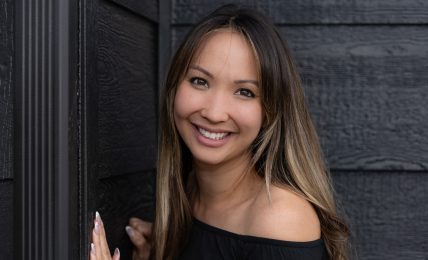
Meet Bryan Rojas Arauz | Bilingual Psychologist / Scholar-Activist / Healer / Entrepreneur


We had the good fortune of connecting with Bryan Rojas Arauz and we’ve shared our conversation below.
Hi Bryan, can you talk to us a bit about the social impact of your business?
My reason for becoming a psychologist was that eventually, we got to tell our own stories and heal our own communities. According to the APA the field of psychology is about 84% white and 75% female identified so as a man of color I think is my responsibility and goal to help bring mental health to those who have not seen themselves reflected in services in the past. Even though I am a citizen now, being a previously undocumented Afro-Latino immigrant is my experience, and will always be my community, and my motivation for continuing to work for equity and access. Mental health is and will always be a social justice issue. We all deserve to heal. We all deserve to have services that look like us that understand our background and experiences.
My commitment to assisting persons from marginalized groups in accomplish their goals. and live better lives, while increasing access to mental health and education has continued as I became a licensed psychologist and business owner.
My involvement in efforts of diversity and inclusion has been guided by the intention of creating opportunities for those who have been historically and systemically disadvantaged. I specialize in working with the global majority clients (BIPOC), first-generation professionals, and men. My goal is to create a collaborative, safe, and accepting space for all people. My approach to mental health is social justice-oriented, affirming of lived experiences, strength-based, liberatory, transformative, trauma and culturally responsive healing that can cultivate positive long-lasting change.
My business In Lak’ech Counseling, Education, and Consulting provides trauma and culturally responsive psychological services, immigration evaluations that make a exponential difference in the life of people going through the immigration system, training, workshops to support students and other providers, supervision of next generation mental health professionals, and DEI consultation services to improve the culture and environment of business and organizations. I have experience tailoring and facilitating training, teaching, and educating broad audiences ( e.g., non-profits, k-12, higher education professionals, hospitals, mental health providers, advocates, organizers, and students) on anti-racism, racial equity, advocacy, mental health, and wellness, trauma-responsive care, cross-cultural communication, and effectively serving global majorities (BIPOC), undocumented immigrants, and Latinx communities.
Having healthier communities, organizations, and people has ripple effect that benefits all of us.

Alright, so for those in our community who might not be familiar with your business, can you tell us more?
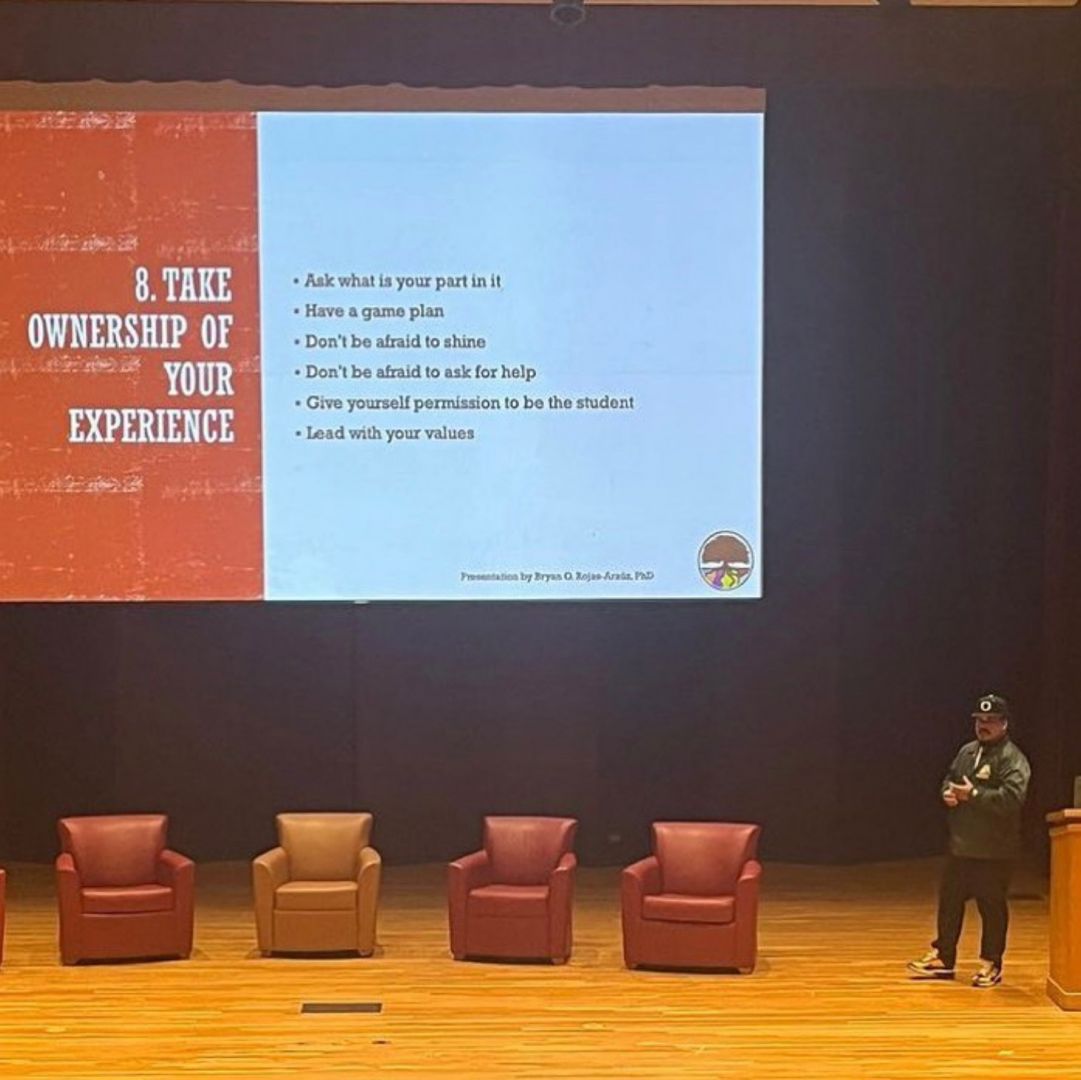
Today, I’m an entrepreneur, author, licensed psychologist, hip-hop educator, documentary filmmaker, and scholar-activist doing work that is fulfilling and rewarding beyond what I could have imagined in my youth, but my story doesn’t start there.
I was born in San Jose, Cosa Rica a premature baby that was not supposed to live. In a certain way, it feels like I have always been fighting. My parents divorced when I was eight years old I did not know it then but this would affect the rest of my life. After my father left, I survived domestic violence, poverty, and a move over 4,000 miles away from the only place I had known as home. At 13, I didn’t know how, yet I knew I needed to help. I had to leave home at a young age to relieve the economic burden that raising two children entailed. On Christmas, December 24th, 1999, I left Costa Rica for the United States on my own to go live in a place I had only known in pictures with family members that at the time were not more than strangers I was yet to meet.
The plan was for me to go to the United States for 6 months, learn English and return as a really cute child tour guide. That’s not what happened. At the end of 6 months, I was asked if I was ready to go back home or stay in the United States. Not knowing enough English to feel like I could help back home I decided to stay and became an undocumented immigrant without truly knowing what this would mean. All of these were bigger decisions than any 13-year-old should ever have to make.
When I arrived, I was not lucky enough to arrive in a neighborhood that fostered academic progress. Instead, I arrived in a place where violence, poverty, and pain seemed to be always present. I had to quickly learn Bay Area street politics, what it meant to live in the shadows as an undocumented immigrant, and the complexities a bicultural upbringing would bring. Ni de aquí ni de allá. I think all of this made me an angry young man and found myself on a path of self-destructive behavior. Because of this, I moved from one aunt’s house to the next.
By age 16, I began to live on my own. Knowing little about higher education, at 18, I set foot on a college campus for the first time in my life. I was not sure I would be successful; after all, I was a first-generation, undocumented, Afro-Latino immigrant, who lacked the cultural and economic capital to succeed in academia. However, what had seemed impossible became a reality thanks to mentors who supported me along the way. Mentorship gave me what I had not been able to get on my own: hope. I would eventually graduate with my bachelor’s degree, earn a master’s in marriage, child, and family therapy with a dual emphasis in college counseling, and obtained a Ph.D. in Counseling Psychology with a Spanish Language Psychological Services and Research Specialization from the University of Oregon, one of the top program in the United States.
Growing up in the diverse environment of the Bay Area helped me better understand the immigrant experience: acculturation, pressures of familial and societal expectations, identity formation, racial trauma, and the complexities of biculturalism and the immigration system. Moving to Eugene from the Bay Area for my Ph.D. I felt the color of my skin in a way I had never done before. It also helped me better understand the experiences of first-generation professionals, college students, and the impact of mental health on the lived experience of BIPOC communities. I tried finding a home in universities, medical settings, and community mental health organizations; however time and time again I never felt I belonged.
Because of this, I decided to open my private practice and it gave me the opportunity to be and show up in the world as I needed to. It allowed me to serve my communities in ways I never could before. Becoming an entrepreneur was and continues to be an act of liberation.
What sets me aside from others is that I’ve been able to do this my own way, I bring my lived experience and education to provide healing to communities that have been ignored and underserved so far. I’m an Afro-Latino and Immigrant owned business. I get to bring culture as a tool for healing and bring intentionality in all the things I do. Even the name of my business is a reminder of that “In Lak’ech” comes from ancient Mayan wisdom meaning “I am you, you are me.” It recognizes the interconnectedness and humanity within ourselves and others helping us live a happier and more fulfilling lives.

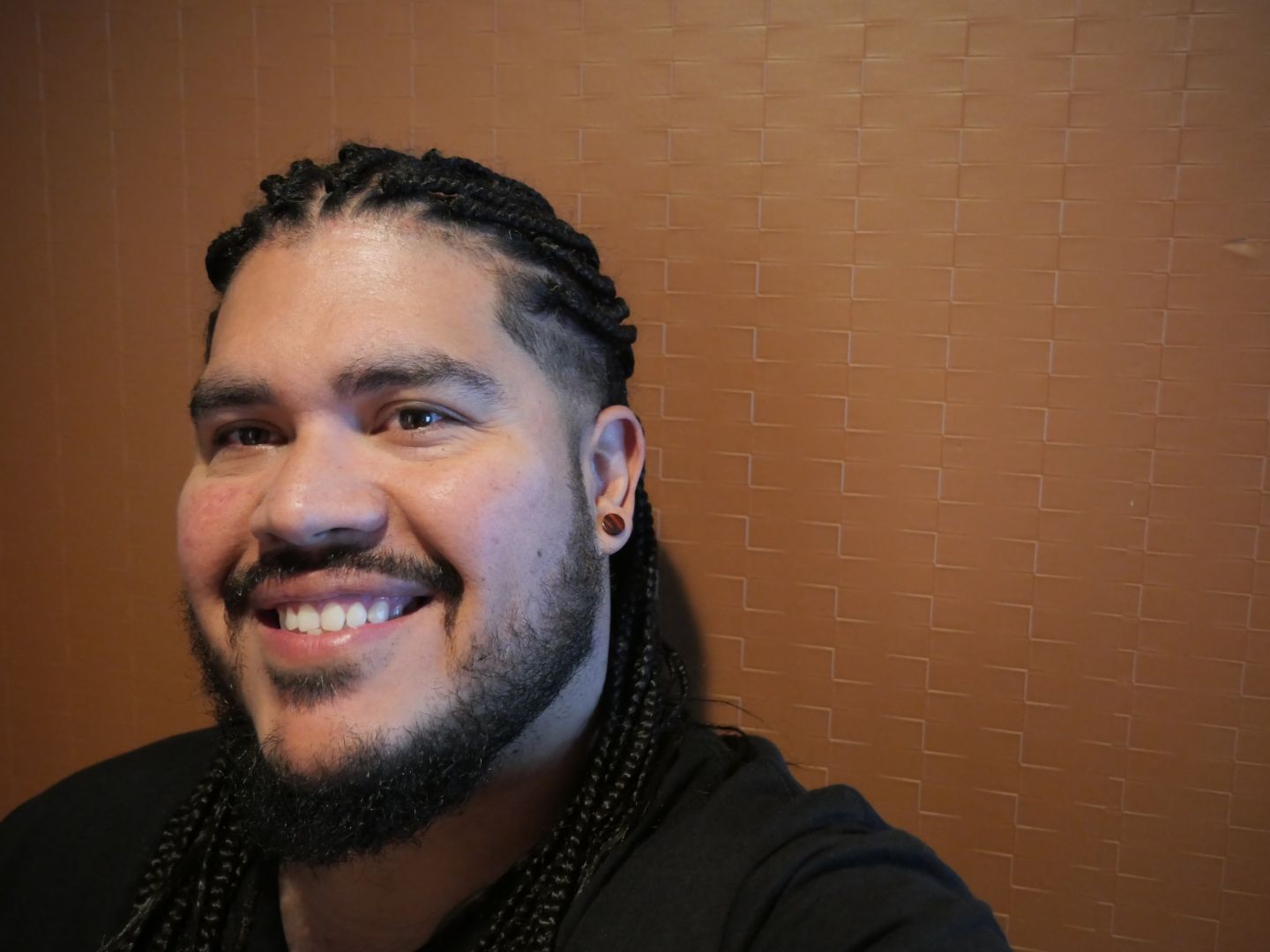
Let’s say your best friend was visiting the area and you wanted to show them the best time ever. Where would you take them? Give us a little itinerary – say it was a week long trip, where would you eat, drink, visit, hang out, etc.
Some of my top spots in no specific order: Red Rocks – Easily one of the best music venues in the United States. An experience worth having on any day of the week but a memory of a lifetime if you can make it to a concert.
Raices Brewery – Raíces is a Latino owned and operated brewpub in CO. It features award winning craft beers, a rotating Latin American food selection and on-going cultural events. Raíces aims to become a reference center for those interested in learning about Latin culture.
Denver Art Museum / Modern Art Museum / Botanical gardens / Santa Fe district / Graffitti Art Tour on Colfax – This are great spots if your guest are into art and gardens. Always something new to see and experience.
Meow Wolf – This is an art museum and exhibit on another planet. Bring your imagination and be ready to be blown away.
Rocky Mountain Arsenal – A hidden gem that includes a wild life drive with buffalos that is always a hit.
Garden of the Gods. The name says it all. Great for an easy hike and amazing views.
The great outdoors which are to many to name but camping, paddle boarding, and fishing need to make the list.
Who else deserves some credit and recognition?
I’m forever grateful to my mentors Dr. Joseph White, Dr. Alvin Alvarez, Dr. Rebecca Toporek, and Dr. Ellen McWhirter. All psychologist who have dedicated their lives and careers to social justice and equity. Also to my wife Dr. Darien Combs a fellow UO graduate (Go Ducks!) and psychologist for always supporting my wild ideas and dreams. More recently gotta show out the Monarch Collective a collaborative of psychologist dedicated to increasing access to trauma and culturally responsive immigration evaluations through training and supervision because we are creating something we wish we had.
Website: InLakechCEC.com
Instagram: @InLakechCEC @DMC48
Linkedin: https://www.linkedin.com/in/dmc48
Blog: https://inlakechcec.com/blog