Meet Stephen Hornbeck
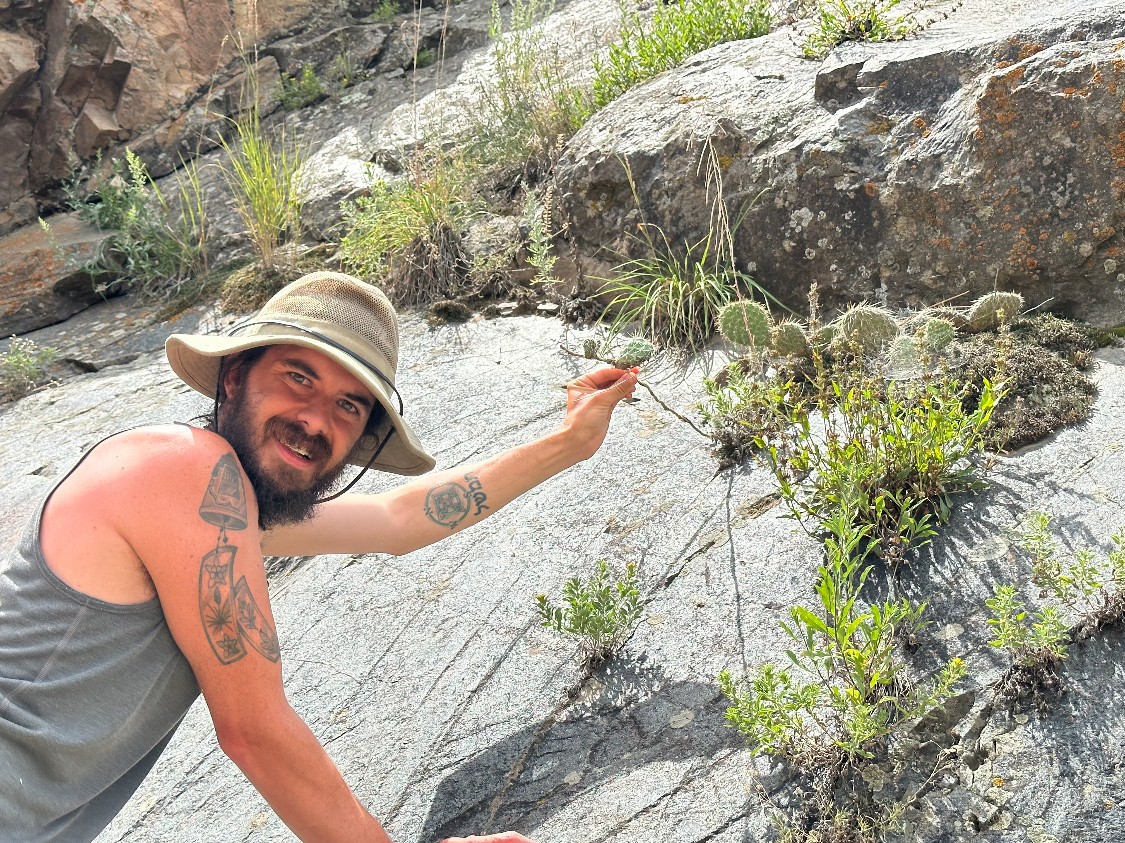

We had the good fortune of connecting with Stephen Hornbeck and we’ve shared our conversation below.
Hi Stephen, can you talk to us a bit about the social impact of your business?
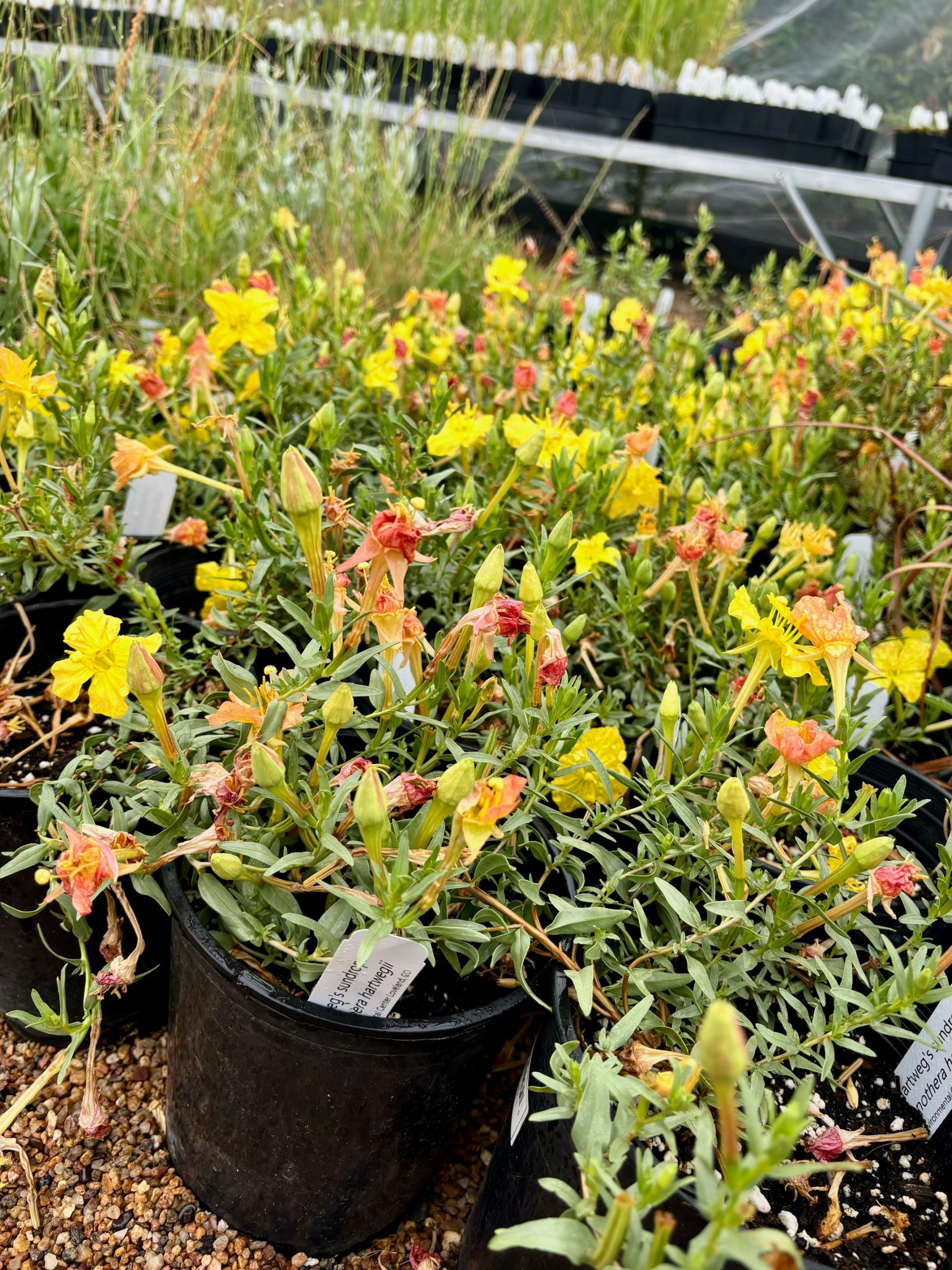
One of the primary goals of the Native Plant Nursery is not just to conserve regional flora, but also to help people reconnect to Colorado’s natural systems. We, as individuals, play into ecology as much as anything! One of the standards I try to apply to every nursery strategy is that people won’t protect what they don’t love, and they can’t love what they don’t know. We try to offer these plants for whatever planting project is being accomplished, but we also use the nursery as a way to introduce people to plants that otherwise might be overlooked by Horticulture at large. It’s all as much for the human gardener as it is the meadowlark!
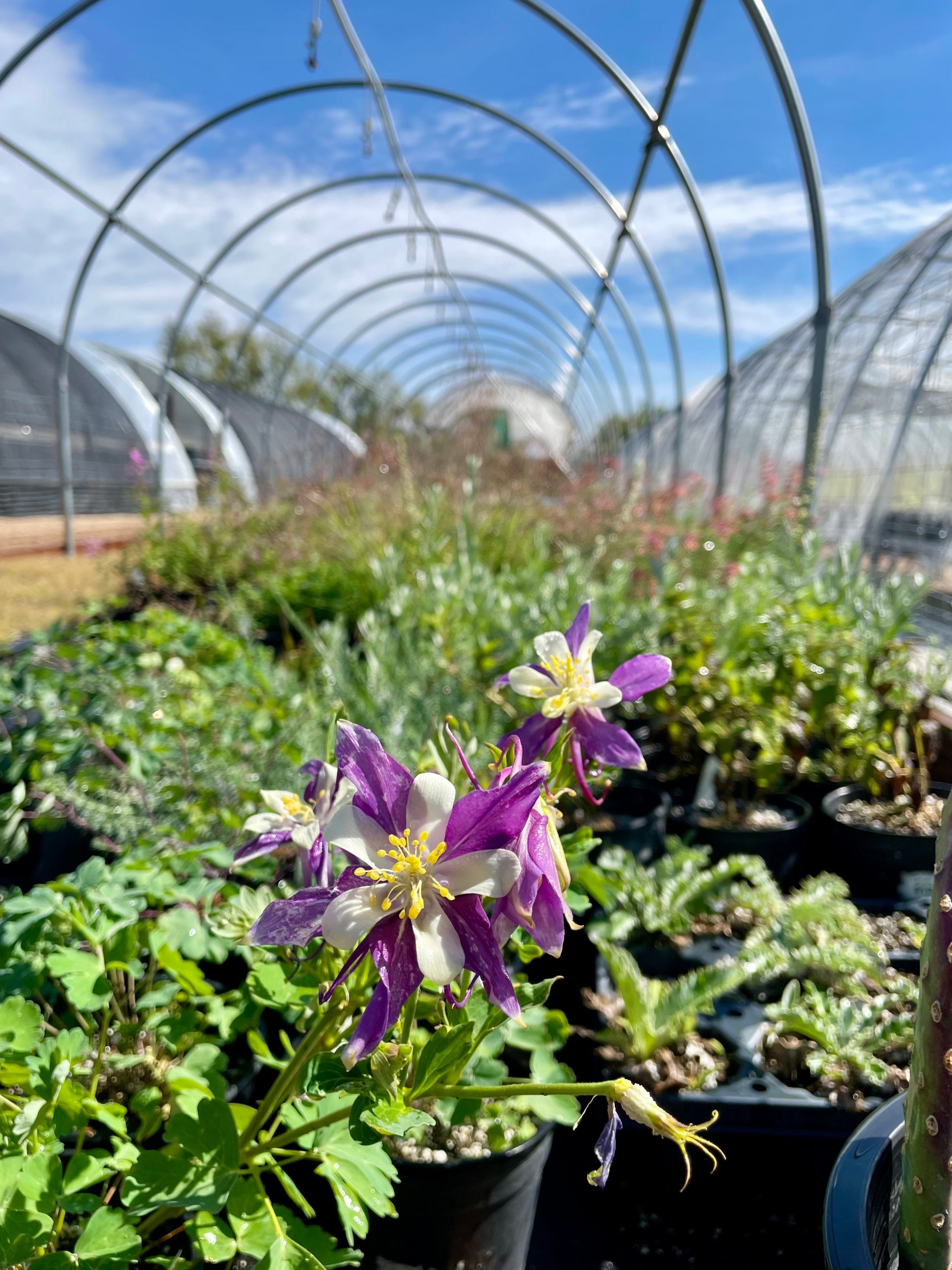
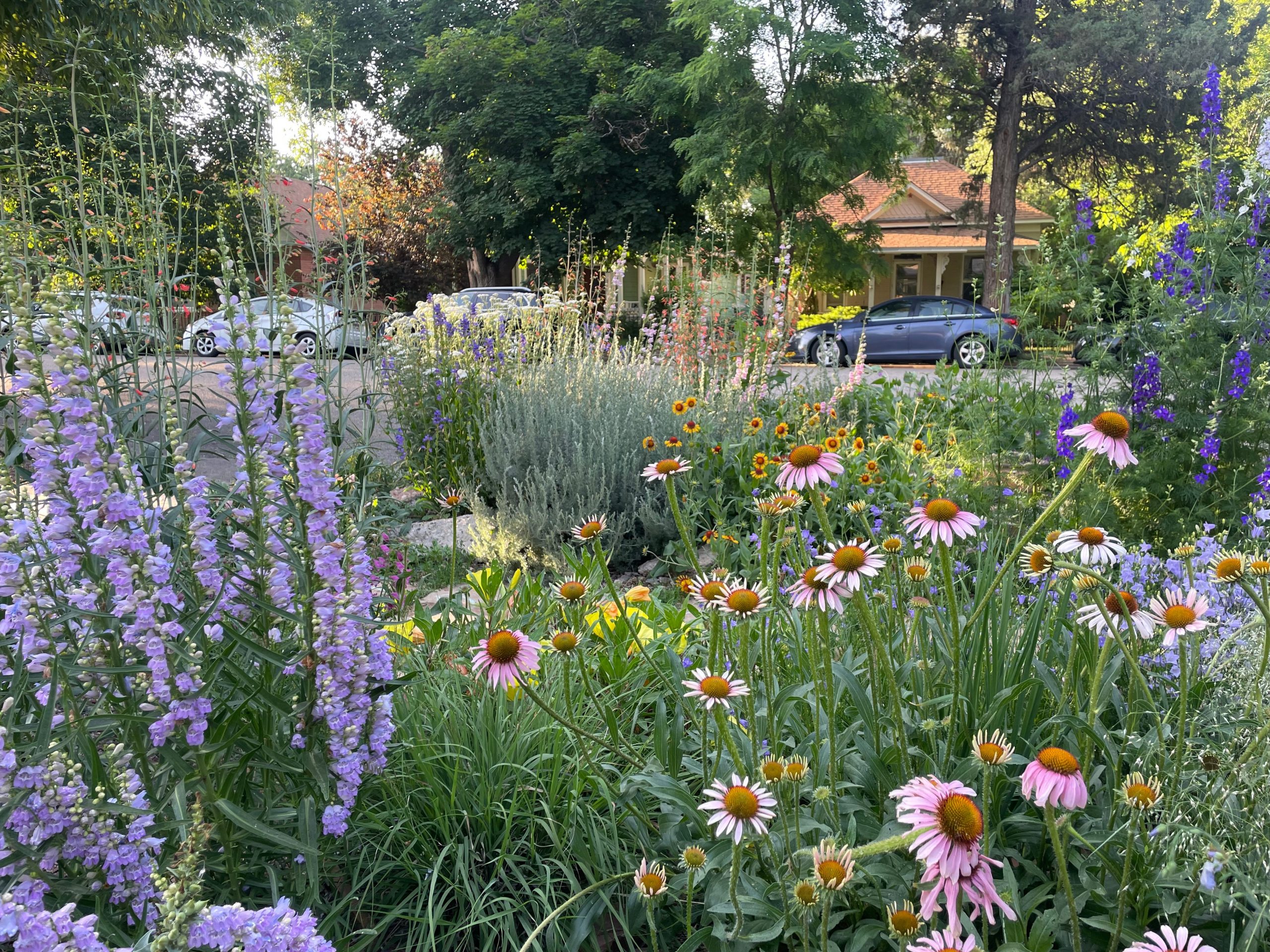
We get to grow regional plants for individual’s pollinator gardens, city xeriscapes, wildland conservation initiatives, botanic gardens, green-roofs and more!
Alright, so for those in our community who might not be familiar with your business, can you tell us more?
Always a nature kid, I spent many days laying beside Kentucky streams watching the many little lives I found there. I was always passionate about the sciences, but I struggled to find my way in a professional sense. I did not know how to navigate academia, nor even of the prospects of working in the field of ecology. An antsy and scattered student at the desk, but most happy sitting and watching in the forest. As I drifted through the “supposed to” check lists and set myself up on education rails, I felt this ache. That I was missing what I really loved. I wanted to know the big picture, how EVERYTHING interacts with EVERYTHING else. Ecology. The Greek literally being oikos – “The house.” Thankfully, by a good deal of luck, and a lot of oversharing about interesting flora to strangers, I found myself a field tech at a private restoration ecology company doing watershed & habitat surveys. I had the fortune of seeing the amazing breadth of plant species across Appalachia. I felt like the old school field botanists, getting to witness and record relationships, trends, and patterns first hand. It was dizzyingly delightful, fulfilling, and filthy, itchy work. It was Darwin’s “endless forms most beautiful”. Here was the story of life on earth in the rare Trillium on the mountain, in the salamanders on the mosses, in tiny invertebrates attached to stones in the stream. I gleaned such an appreciation from that work, and a deep affection for the many expressions of life. I also saw the devastating impacts of unchecked industry and the danger shortsighted human systems. This is the heart of the work for me though. Equal parts love and grief. They are inseparable.
Coming to Colorado was a thrilling opportunity to do over again. Learn new ecosystems, new floral communities in a new environment. I got to apply what skills I had honed already in a wide open new world.
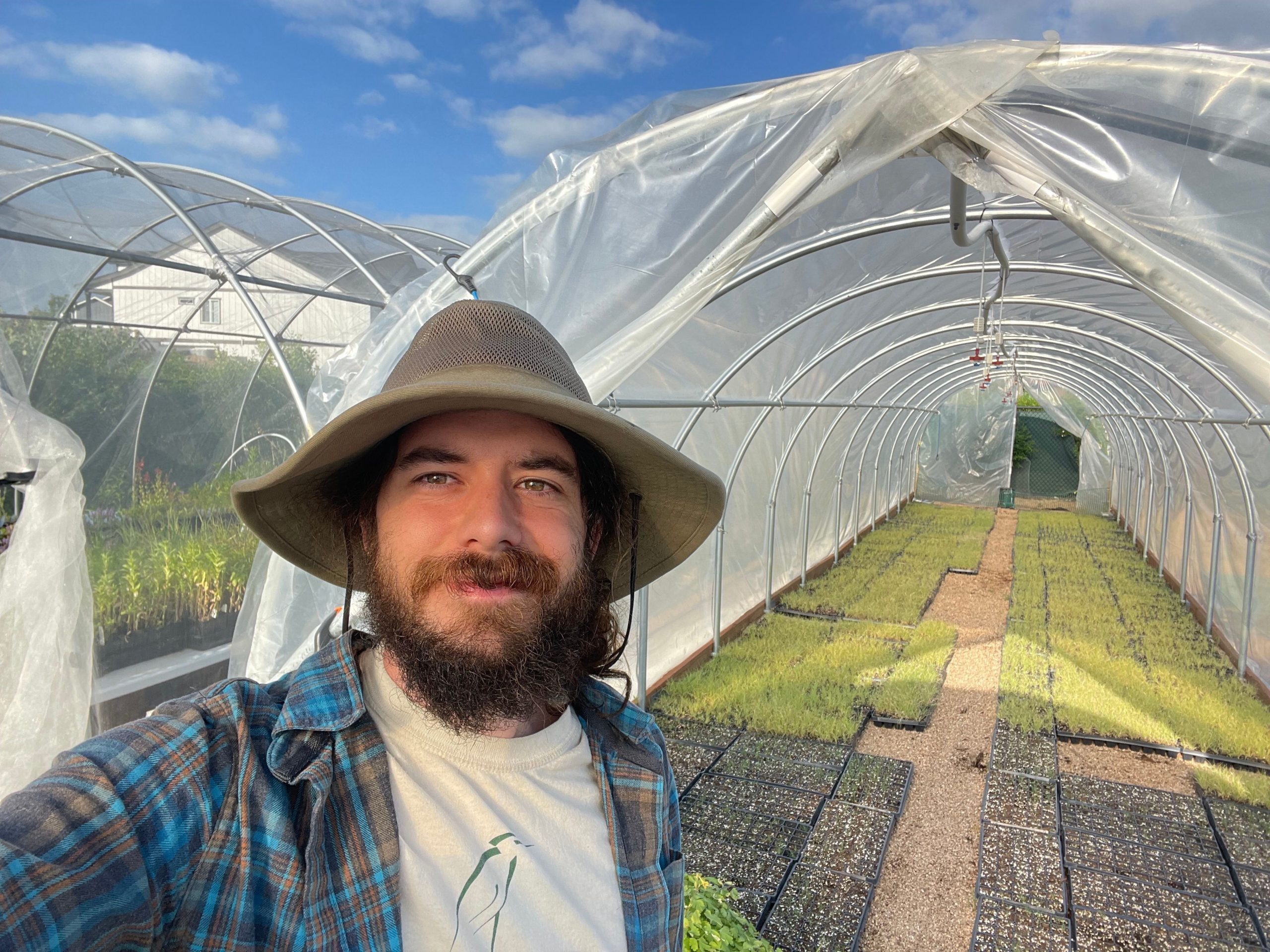
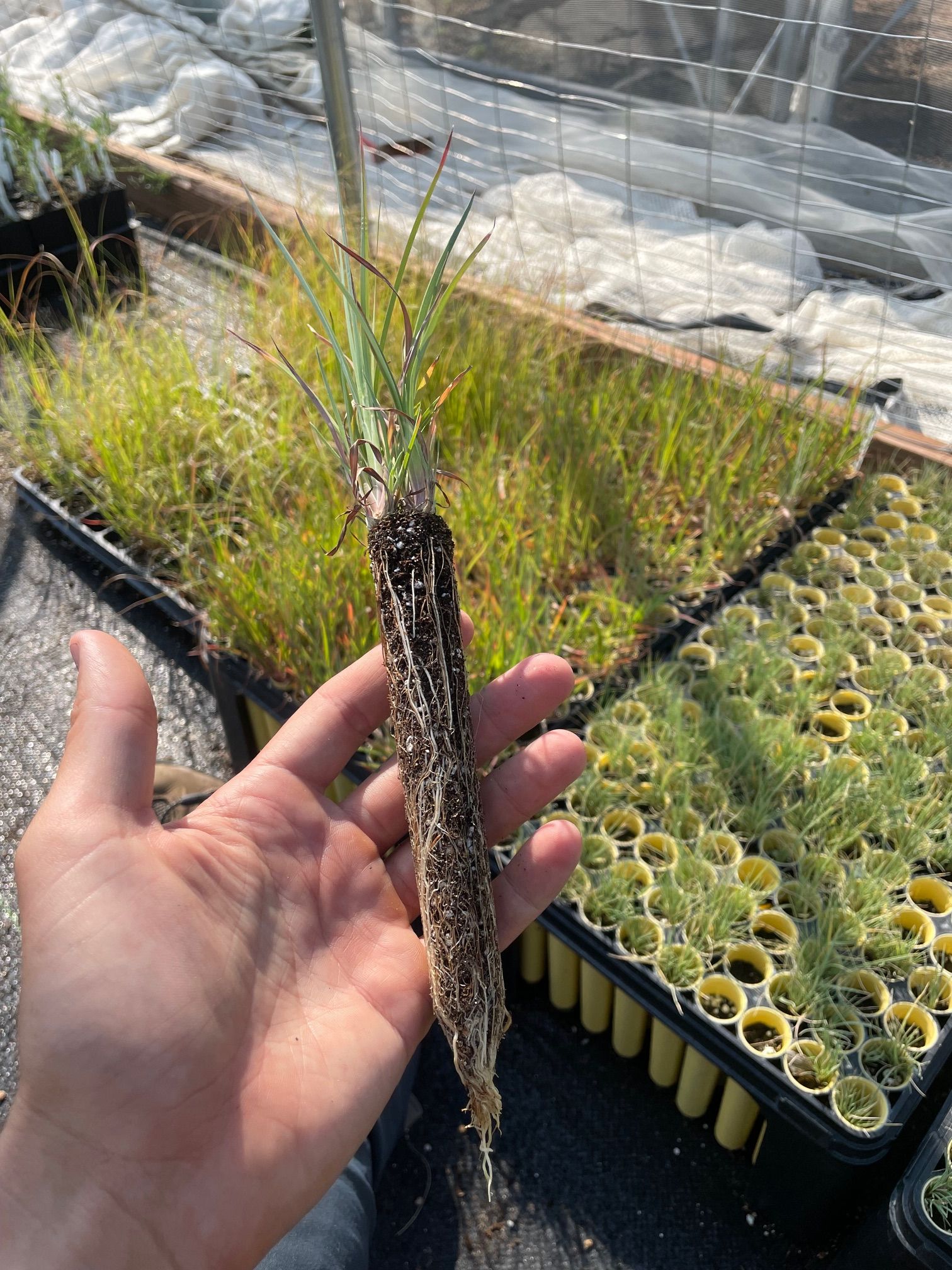
As in much of my life’s path, obsession and curiosity tends to win the day. I saw an unusual milkweed species geotagged in what appeared, by map, to be suburbia. It piqued my interest enough to lead me to drive over and look around what turned out to be the doorstep of the High Plains Environmental Center, where the director Jim Tolstrup found me crawling around in his demo planting. I was shortly after hired onto the Native Plant Nursery there, and now I have the honor of growing hundreds of species and tens of thousands of individual plants to return to their home in the region.
I don’t know how replicable my life is, but I would say that if you are driven by curiosity and wonder, the greatest danger to you is the suppression of that joy of discovery. Feed your curiosity without shame! If there is no ordained path, make one.
Any places to eat or things to do that you can share with our readers? If they have a friend visiting town, what are some spots they could take them to?
I love the national forests and grasslands of the region. Depending on the season, there are so many delightful things to see in one place or the other. Pawnee National Grassland is an incredible expanse, and one of the few places in the state that give you any sense of what the word “Prairie” means. There are of course beautiful hikes in the foothills, and I enjoy many in Roosevelt National Forest or cooling off around the Big Thompson River. My partner and I have a near Pavlovian response to outdoor exertion and snagging some pizza from Arte Pizza in Loveland, Durbar Nepalese and Indian Bistro is also a must for a family style dinner.
I tend to be either at home, in the nursery, or somewhere outside. The joy of this is that most pleasures come free to me!
Who else deserves some credit and recognition?
I have been influenced by so many wonderful people, institutions, and types of media, it is near impossible to single out any one person/thing. Incredible nature writers like Aldo Leopold, Rachael Carson, and Robin Wall Kimmerer. The works of Mary Oliver. Inspiring botanists such as Jennifer Ackerfield and Matt Candeias. So very many excellent and generous plants people in the horticulture industry, and Tom Wilson of Biological Systems Consultants who mentored me as I (literally) first waded into waters of restoration ecology as a discipline. Most of all though, I owe so much to my family. My partner Carli has embraced and encouraged my curious and wandering way for 17 years now, and my daughter Harper has transformed my drive to know and conserve the natural world from one of principle to an immediate and tangible necessity.
Website: https://suburbitat.org/