Meet Ania Gonzalez | Environmental Educator
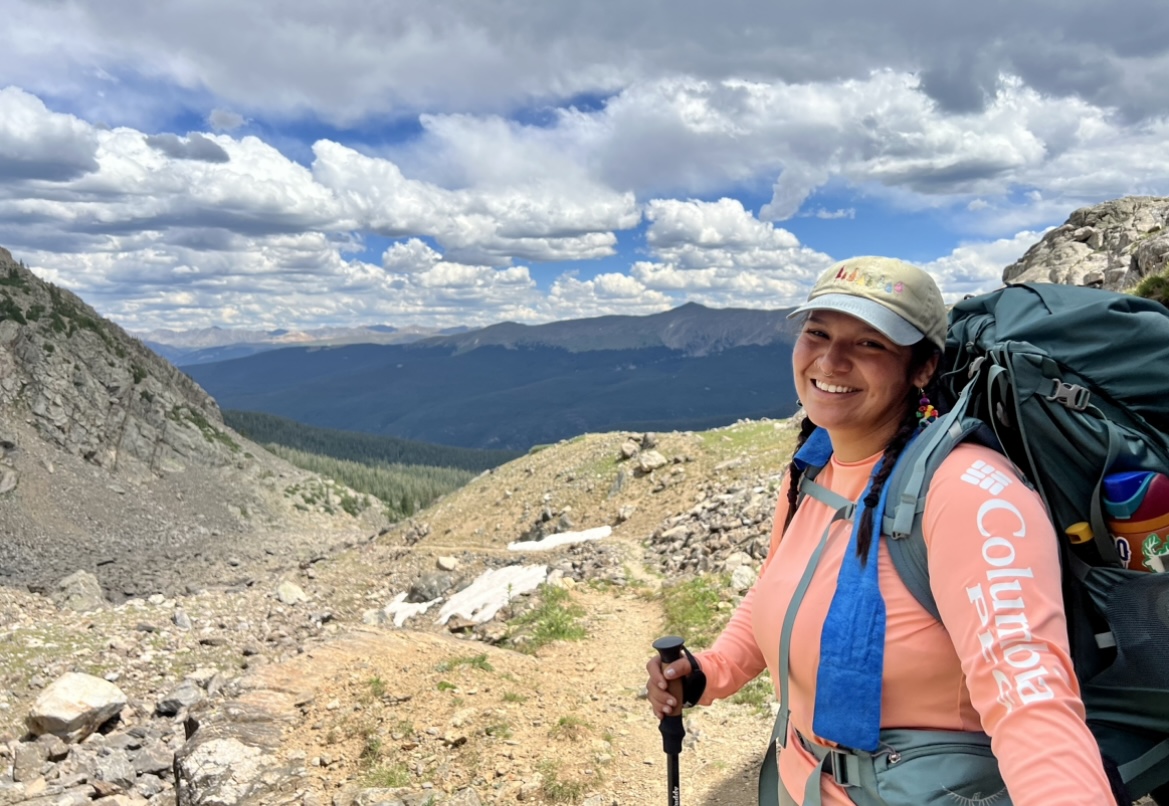

We had the good fortune of connecting with Ania Gonzalez and we’ve shared our conversation below.
Hi Ania, where are your from? We’d love to hear about how your background has played a role in who you are today?
I’m from Northwest Indiana, about an hour outside of Chicago, in a small town nestled along the south shore of Lake Michigan. I grew up near the Indiana Dunes National Park, surrounded by rich ecosystems—but despite that proximity, nature never truly felt accessible to me. As a Mexican kid in a predominantly white town, I didn’t always see myself reflected in outdoor spaces or environmental education. My community didn’t emphasize connecting with the land, and it wasn’t until I was almost an adult that I began to build a meaningful relationship with the ecosystems around me.
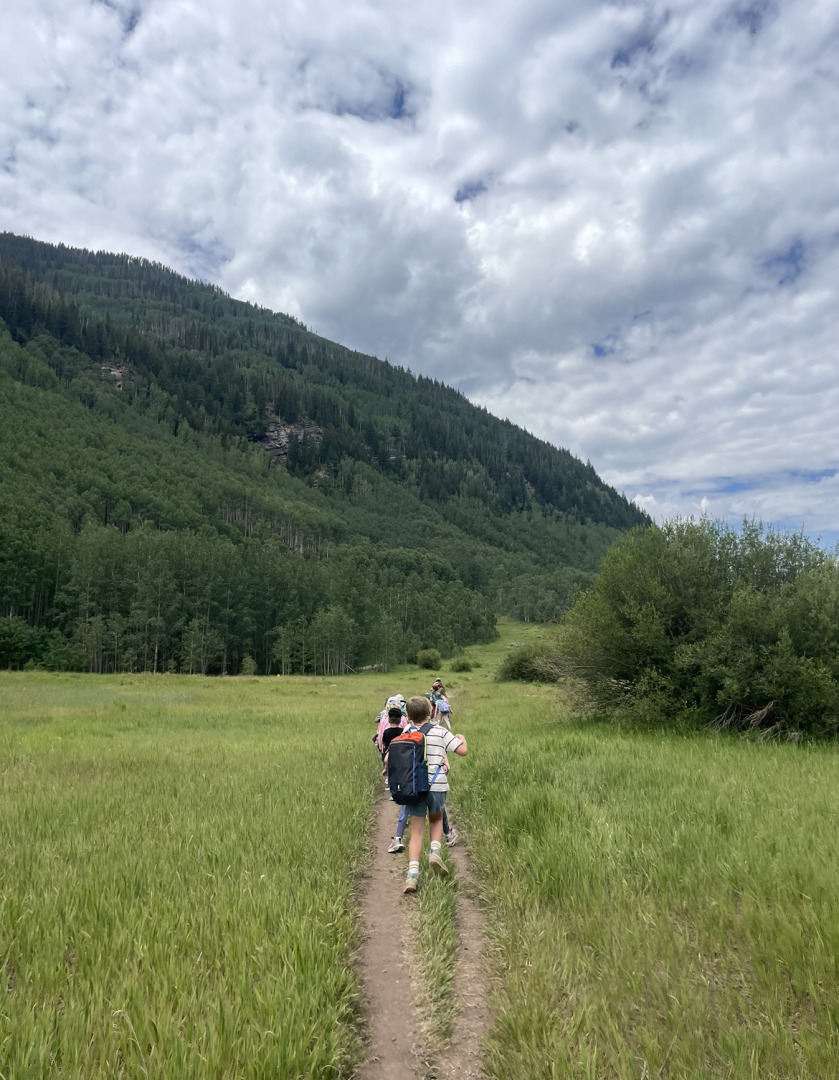
That experience deeply shapes who I am today as an early childhood educator. I recently completed a master’s degree in Natural Science Education through a fellowship program, where I had the opportunity to teach K–8 students outdoors in Avon, Colorado for two years. My work centers around inclusivity: breaking down barriers to access, cultivating empathy for the environment, and honoring the land we live and work on. I’m driven by the belief that every child deserves to feel a sense of belonging in nature, regardless of their background or where they come from.
Growing up in a diverse pocket of an otherwise not-so-diverse state helped me see both the power and the gaps in representation. It’s what inspires me to create spaces where young learners, especially those who have historically been excluded from the outdoors, can see themselves as scientists, stewards, and explorers. My upbringing taught me the importance of access, representation, and connection, and that’s the foundation of everything I bring to my work today.
Can you open up a bit about your work and career? We’re big fans and we’d love for our community to learn more about your work.
My career in environmental and outdoor education has been anything but easy, but that’s part of what makes it meaningful. I recently completed a two-year natural science education master’s program through a fellowship where I taught K–8 students outdoors in Avon, Colorado. It was a transformative experience and also the most challenging thing I’ve ever done professionally.
The fellowship asked a lot of us. We were working full time, teaching at least four different science curricula each week, while attending grad school and living in a close-knit working community. The pace was intense, and the programming model required constant adaptation. We didn’t get to build year-long relationships with students; instead, we often had just a few hours or days to connect, engage, and deliver meaningful learning experiences aligned with standards. It demanded a lot of creative energy, flexibility, and emotional resilience. I was constantly trying, failing, learning, and trying again.
Before the fellowship, I had already worked at other environmental education centers, leading overnight trips, designing curriculum, managing long days in the field, and working with a wide range of student needs. Those roles laid the groundwork for my teaching style and values, but this fellowship sharpened everything. It challenged me to deepen my practice, reflect critically, and stay rooted in my “why.”
What sets me apart is that my work is rooted in access and empathy. I’m Mexican, and I grew up in a mostly white town in Northwest Indiana. Nature was nearby, the Indiana Dunes National Park was practically in my backyard, but it wasn’t truly accessible to me. I didn’t form a personal relationship with the land until I was nearly an adult. That disconnect informs everything I do now. I teach with the goal of breaking down the invisible and visible barriers that prevent young people, especially those from underrepresented communities, from building a connection to nature.
I’m proud of the educator I’ve become, one who is committed to inclusive, place-based, and justice-oriented science education. I’ve learned that it’s okay to not have it all figured out, that failure is part of good teaching, and that community care matters just as much as lesson plans. I’ve also learned that being an outdoor educator often means doing a lot with a little: limited time, limited resources, and sometimes limited support, but that doesn’t make the work less impactful. In fact, it’s where some of the most powerful growth happens.
What I want people to know about me is that I’m here to build bridges. Between kids and the outdoors, between science and storytelling, between communities and the land. My work is not just about teaching science. It’s about cultivating belonging.
Any places to eat or things to do that you can share with our readers? If they have a friend visiting town, what are some spots they could take them to?
If my best friend came to visit Avon, Colorado, I’d show them the simple, beautiful rhythm of life here—starting with a paddle or swim at Nottingham Park, surrounded by mountains and sunshine. We’d grab tacos from Rocky Mountain Taco, my favorite spot for affordable, delicious Mexican food, and catch a sunset walk on the “My Backyard” trail, which offers the best golden hour views in town. I’d take them to Maloit Park in nearby Minturn for a peaceful hike along the river, and we’d spend an afternoon browsing at The Bookworm in Edwards, where they could find thoughtful gifts and books over coffee. We’d mix in some laid-back days exploring trails or riverside spots, maybe hit a community concert or art market at the park, and take a day trip to places like Leadville or Silverthorne if we’re up for it.
Shoutout is all about shouting out others who you feel deserve additional recognition and exposure. Who would you like to shoutout?
To the other members of my graduate cohort, the TADpoleS, and to our incredibly supportive Director or Graduate & Youth Programs, Chris Cohen.